
ABOUT
Hanhai Opto-electronic is a major scientific research achievement transformation institution of the Hefei Institute of Physical Science, Chinese Academy of Sciences.


Hanhai Opto-electronic is a major scientific research achievement transformation institution of the Hefei Institute of Physical Science, Chinese Academy of Sciences.

Hanhai Optoelectronics centers on laser absorption spectroscopy-based gas detection (TDLAS)technology, developing and manufacturing a full range of products to deliver comprehensive gas detection solutions for cross-field and multi-industry customers.

Hanhai Optoelectronics' laser gas detection products focus on the monitoring of flammable, explosive, toxic and harmful gases as well as greenhouse gases. Leveraging mature technical solutions and flexible product adaptability, these products can be widel

With over a decade of technical accumulation and recognition from nearly a hundred customers, Hanhai Optoelectronics' laser gas detection products have delivered successful cases covering core scenarios across petrochemicals, urban gas, environmental moni

The company's core technology has been jointly recommended by the Ministry of Emergency Management, the Ministry of Science and Technology, and the Ministry of Industry and Information Technology.
Laser Monitoring Makes Up for Deficiencies in Leak Early Warning
Six Lines of Defense Reinforce LNG Vessel Engine Room Safety!
Guokehanhai TDLAS for LNG Vessels
With the large-scale adoption of inland new-energy LNG vessels, LNG’s properties — cryogenic temperature, easy vaporization, wide flammability range, and colorless, odorless leakage — pose new challenges to engine room safety control.
The industry generally adopts six safety lines of defense: pipeline management, leak monitoring, forced ventilation, ignition source isolation, emergency shutdown, and crew operation. Early leak detection is the key to pre-emptive prevention. Conventional electrochemical and catalytic sensors are prone to poisoning and failure in engine room environments featuring high humidity, salt spray and mixed oil-gas atmospheres, leaving extensive monitoring blind zones.
Supported by self-developed TDLAS (Tunable Diode Laser Absorption Spectroscopy) technology, Guokehanhai develops a full range of marine methane monitoring equipment to upgrade vessel gas sensing capacity and lay a solid underlying monitoring foundation for the six safety lines of defense of LNG vessels.
Three Fatal Leak Risks of LNG Vessels & Inherent Drawbacks of Traditional Monitoring Solutions
01
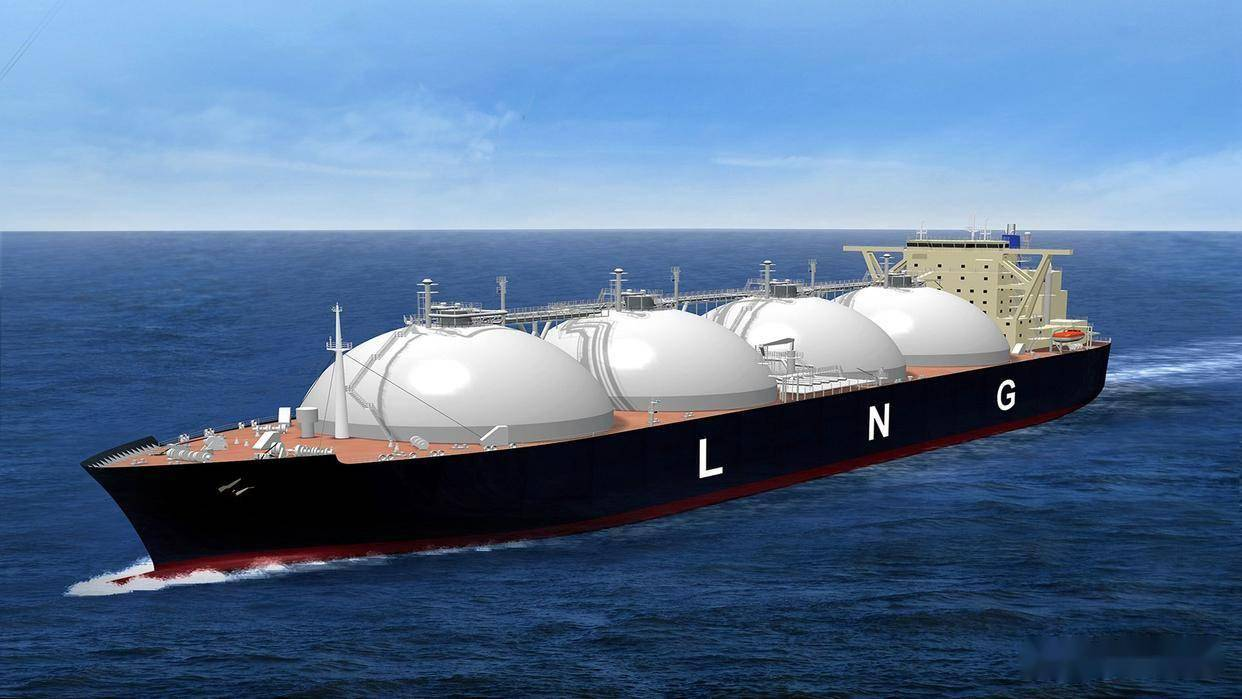
LNG is stored in liquid state at temperatures as low as -162°C. Once leaked, 1 litre of liquid LNG expands600 times upon vaporization. Natural gas is colorless, odorless, low-density and tends to accumulate in dead zones at the top of engine rooms. Deflagration can be triggered by weak static electricity at a volumetric concentration of 5%~15%. Major leakage risks fall into three categories:
Pipeline & Flange Leakage
Aging joints and seals of double-walled stainless steel pipelines cause seepage, allowing natural gas to surge directly into the engine room.
Annular Space Seepage of Double-Walled Pipes
Gas escapes from inner pipe welds and accumulates in the outer pipe interlayer. When ventilation fails, gas permeates into the main engine room.
GVU (Gas Valve Unit) Leakage
Poor sealing leads to uncontrolled gas supply, and excessive fuel gas flows into the engine compartment.
Standard marine electrochemical and catalytic bead detectors have unavoidable limitations: water vapor, lubricant mist and salt spray inside engine rooms cause irreversible sensor poisoning, resulting in sharp short-term sensitivity decline and frequent false and missed alarms. They only support single-point short-distance sampling and cannot cover methane accumulation areas such as ceiling zones, equipment interlayers and upper pipelines. Slow response and severe baseline drift make it difficult to meet mandatory specifications: early warning at 20% LEL and safety system interlock at 40%/60% LEL. This means invisible gaps exist in the safety defense system.
Guokehanhai TDLAS Laser Monitoring: Upgrade the Core Second Line of Defense — Early Leak Remediation via Technological Edge
02
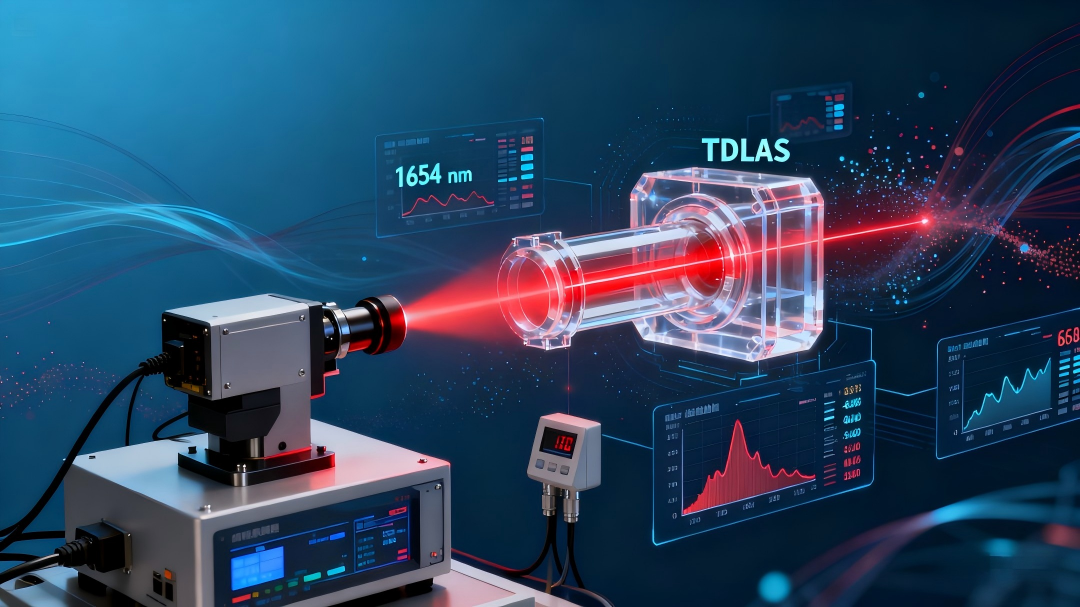
Among the six safety lines of defense, engine room gas detection and early warning serve as the first barrier to contain leakage accidents. Guokehanhai’s full-series marine laser detection equipment operates on the principle of pure physical molecular spectrum identification, free of catalytic consumables and chemical reactions. It perfectly adapts to harsh working conditions in LNG vessel engine rooms and comprehensively overcomes the limitations of traditional sensors:
Fixed Passive Laser Detectors: Round-the-clock fixed-point monitoring in compartments
Suitable for installation in engine rooms, double-wall pipe interlayers and GVU compartments to accurately detect trace methane accumulation in enclosed spaces. Immune to cross-interference from water vapor and miscellaneous gases with zero long-term drift. Steadily complies with marine alarm thresholds: audible & visual alarm at 20% LEL, ESD safety system interlock at 40%/60% LEL. The equipment requires infrequent calibration to significantly reduce crew maintenance workload, with real-time data synchronized to wheelhouse and centralized control room.
Fixed Scanning Laser Gas Remote Detector: 360° full coverage for ceiling blind zones
Equipped with an explosion-proof pan-tilt, it conducts non-contact long-distance scanning (up to 150 meters) of upper engine room areas and pipeline tops prone to methane accumulation, solving insufficient coverage of single-point detectors. It captures ppm-level trace leakage within milliseconds and issues early warnings before gas concentration reaches the lower explosive limit. The equipment visually outlines gas cloud diffusion ranges, addressing the pain point that leaks cannot be seen or smelled during manual inspections.
Portable Laser Methane Detector: Standard carry-on gear for crew patrols
Lightweight explosion-proof handheld device for daily patrols and bunkering operations. Crews scan risk points including flanges, welds and valves from a distance. There is no need to approach high-risk zones to rapidly locate tiny seepages, enabling closed-loop LDAR (Leak Detection and Repair): leak identification – repair – re-inspection, complying with marine daily safety patrol standards.
Pump-sampling Laser Analyzer Mounted on Quadruped Robots: Unmanned inspection of confined dead zones
For narrow interlayers and low-lying bilge areas inaccessible to personnel, the analyzer works with Unitree quadruped robots for autonomous cruising. Ultra-high ppb-level sensitivity captures hidden leak points. Combined with an 8-dimensional spatial intelligent module, it marks precise coordinates of leakage points, replacing high-risk manual inspections and enabling regular full-space hazard screening of engine rooms.
Compatible with Complete LNG Vessel Safety System: Closed-Loop Management Coordinated with Six Lines of Defense
03
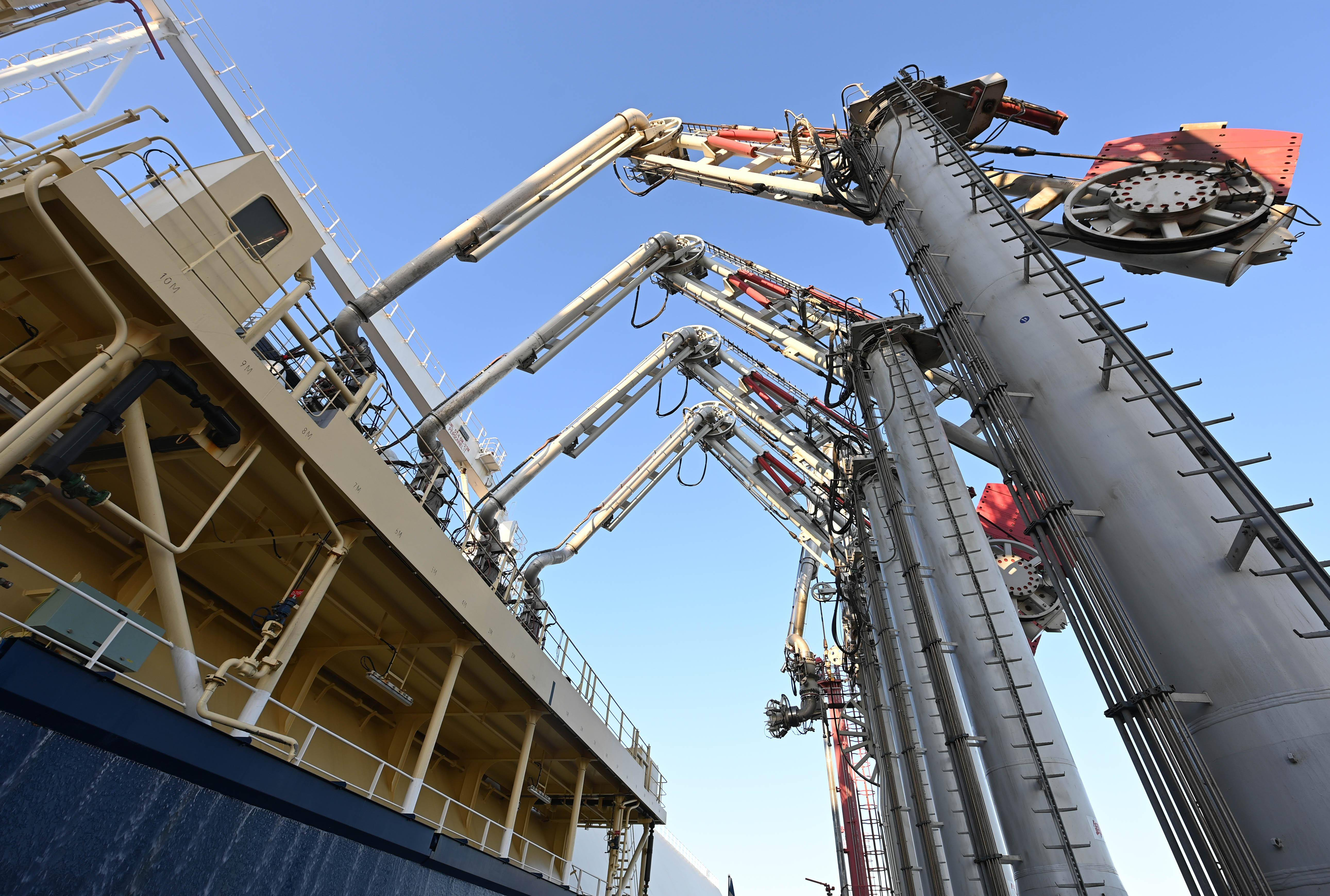
Defense Line 1 | Pipeline Integrity: Laser Monitoring Provides Dual Verification for Double-Wall Pipe Tightness
Fully penetrated welded double-wall pipelines are fitted with interlayer laser detectors to monitor trace gas leakage in the annular space. Alarms trigger immediately upon ventilator negative pressure failure to detect hidden weld and liner seepage risks in advance.
Defense Line 2 | Early Leak Remediation: Multi-layer TDLAS Monitoring Builds a Pre-warning Network
A combination of in-compartment fixed detectors, overhead full-area scanning remote detectors and portable crew inspection devices captures leaks across all spaces without blind spots. Graded triggers include audible & visual alarms, main engine shutdown and pre-ESD actions, reserving sufficient time for emergency response.
Defense Line 3 | Strict Ventilation Control: Monitoring Data Enables Intelligent Regulation of Explosion-Proof Fans
Laser equipment uploads real-time methane concentration data. Ventilation power of explosion-proof fans automatically increases when concentrations exceed limits to rapidly dilute accumulated gas inside the engine room and prevent continuous gas buildup.
Defense Line 4 | Ignition Source Management: Precise Early Warning Mitigates Spark Ignition Risks
Trace leaks are identified in advance, allowing crews to immediately shut down non-explosion-proof electrical equipment and isolate high-temperature exhaust heat sources in engine rooms, eliminating ignition conditions at the source.
Defense Line 5 | Emergency Shutdown Capability: Exceedance Signals Interlock ESD Emergency Shutdown System
When laser monitoring reaches critical thresholds, the system automatically interlocks ESD one-shot shutoff valves at the wheelhouse and engine room entrance and cuts off fuel gas supply, serving as a core pre-action for post-leak emergency handling.
Defense Line 6 | Crew Operational Competence: Lightweight Laser Equipment Lowers Operation Barriers
Portable devices feature user-friendly operation; crews can master operation after simple training. The equipment automatically records full-process data including concentration readings, alarms and response actions, providing complete traceable records for regular emergency drills and maritime inspections.
Practical Advantages in Leak Emergency Scenarios: Greatly Reduce Secondary Casualty Risks
04
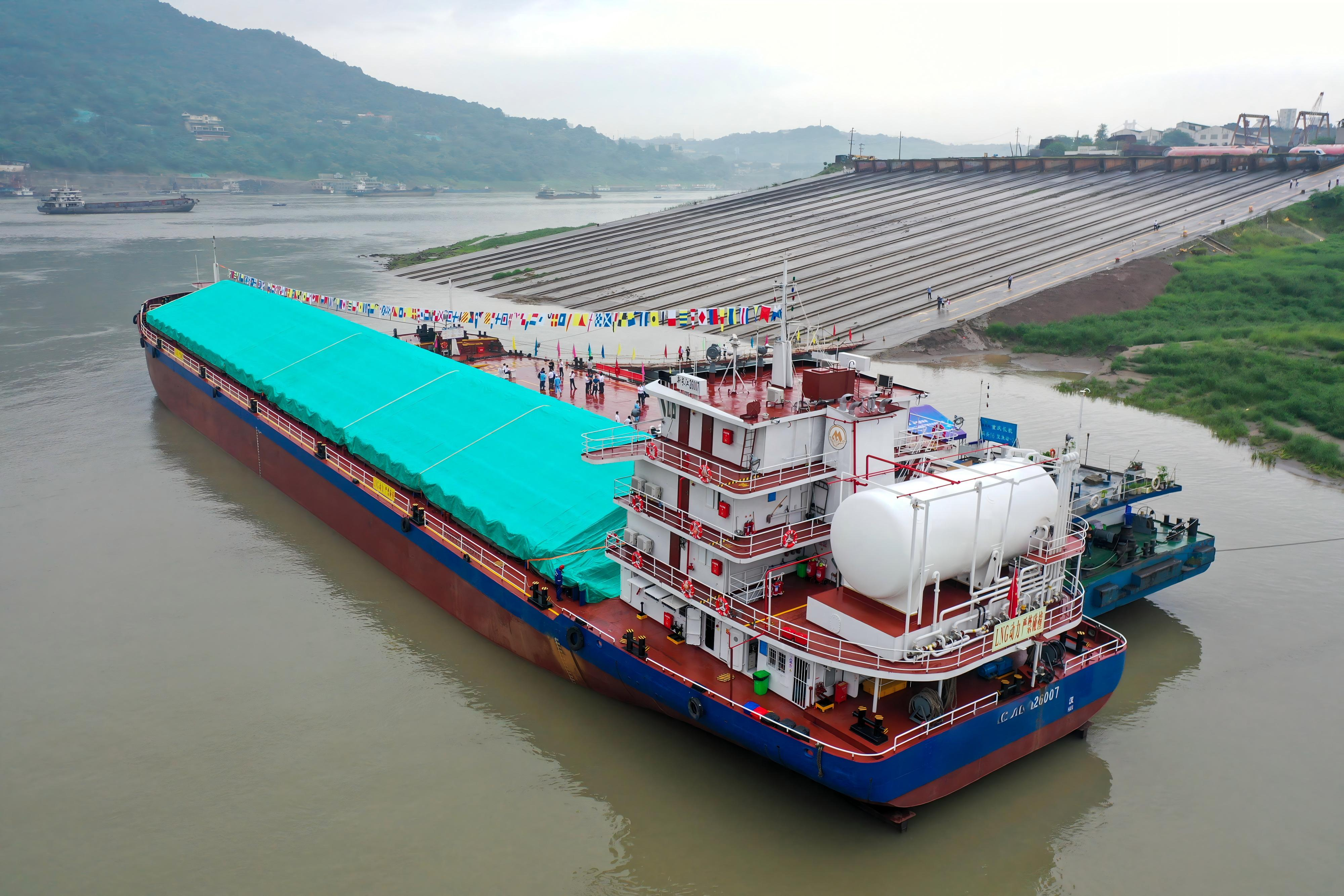
A
Scenario 1: Leak Response Without Fire Ignition
Laser equipment continuously monitors external gas concentrations from afar. Crews can grasp gas diffusion trends without entering high-risk engine rooms, guiding full-process operations including ESD shutdown, forced ventilation and personnel evacuation. This prevents poisoning and frostbite caused by single crew members entering leaking compartments.
Scenario 2: Fire & Explosion Emergency Response
Laser remote detectors delineate gas diffusion boundaries from a distance to guide crews to accurately define safe evacuation zones. Continuous monitoring of methane concentration around tanks supports cold water spray cooling, preventing catastrophic secondary disasters such as BLEVE (Boiling Liquid Expanding Vapor Explosion).
B
Conclusion
Green shipping puts safety first. The six safety lines of defense for LNG vessels are closely interconnected. Reliable, blind-spot-free gas monitoring with zero failure risks constitutes the core prerequisite of the entire safety system.
Guokehanhai’s TDLAS technology thoroughly addresses long-standing industry pain points of traditional marine sensors including poisoning, missed alarms and incomplete coverage. It delivers full-scenario leak early warning solutions for inland LNG-fueled vessels, green ammonia and green methanol new-energy ships.
Moving forward, Guokehanhai will further deepen engagement in marine safety monitoring. Supported by the collaborative platform of the Marine Equipment Committee of China Institute of Navigation, we will iterate dedicated laser detection equipment for inland and ocean-going vessels. With domestically developed independent core technologies, we comprehensively build a navigation safety barrier for new-energy ships.
TEL:400-055-1239 (9:00~17:00)
MAIL:lisghanhai@gkhhlaser.com
ADDR:302 Floor, Building 5, No. 18, Kechuang 13th Street, Beijing Economic and Technological Development Zone