ABOUT
Hanhai Opto-electronic is a major scientific research achievement transformation institution of the Hefei Institute of Physical Science, Chinese Academy of Sciences.


Hanhai Opto-electronic is a major scientific research achievement transformation institution of the Hefei Institute of Physical Science, Chinese Academy of Sciences.

Hanhai Optoelectronics centers on laser absorption spectroscopy-based gas detection (TDLAS)technology, developing and manufacturing a full range of products to deliver comprehensive gas detection solutions for cross-field and multi-industry customers.

Hanhai Optoelectronics' laser gas detection products focus on the monitoring of flammable, explosive, toxic and harmful gases as well as greenhouse gases. Leveraging mature technical solutions and flexible product adaptability, these products can be widel

With over a decade of technical accumulation and recognition from nearly a hundred customers, Hanhai Optoelectronics' laser gas detection products have delivered successful cases covering core scenarios across petrochemicals, urban gas, environmental moni

The company's core technology has been jointly recommended by the Ministry of Emergency Management, the Ministry of Science and Technology, and the Ministry of Industry and Information Technology.
Good News | Guoke Hanhai Becomes an Inaugural Member of the Marine Equipment Special Committee of the China Institution of Navigation
Generation-Gap TDLAS Laser Absorption Spectroscopy Technology
Setting New Industry Benchmarks for Marine and Vessel Monitoring
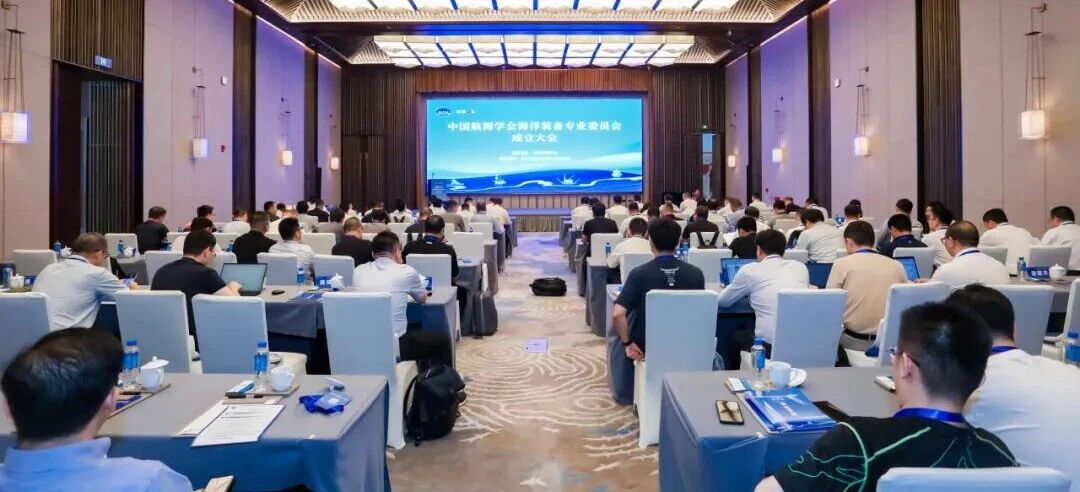
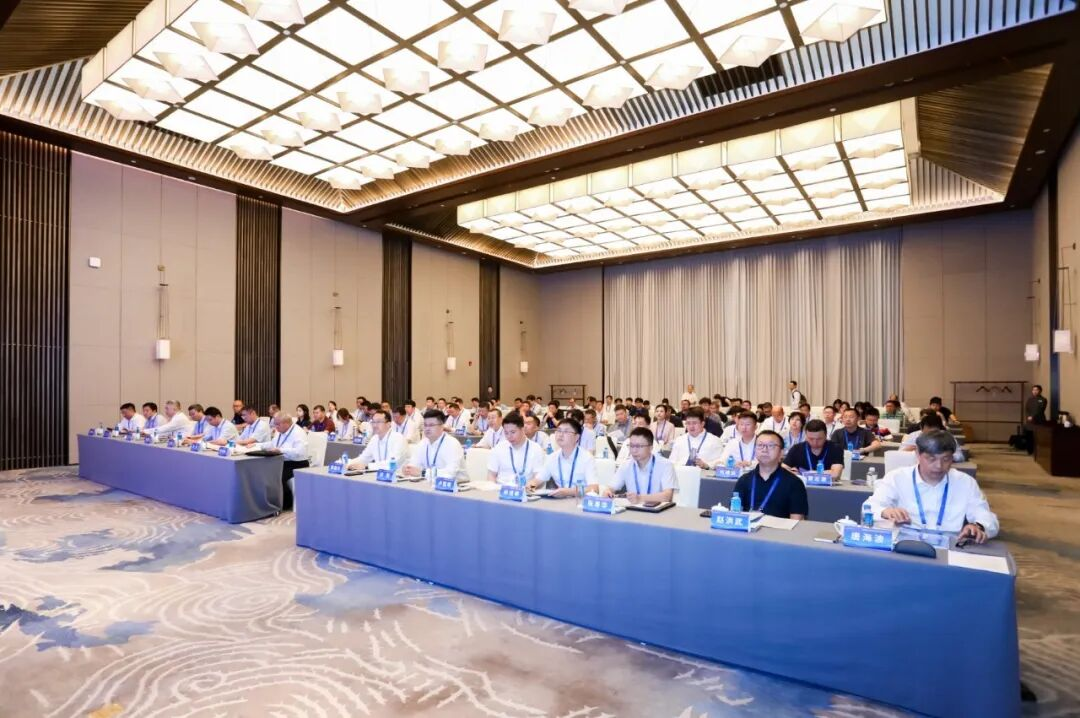
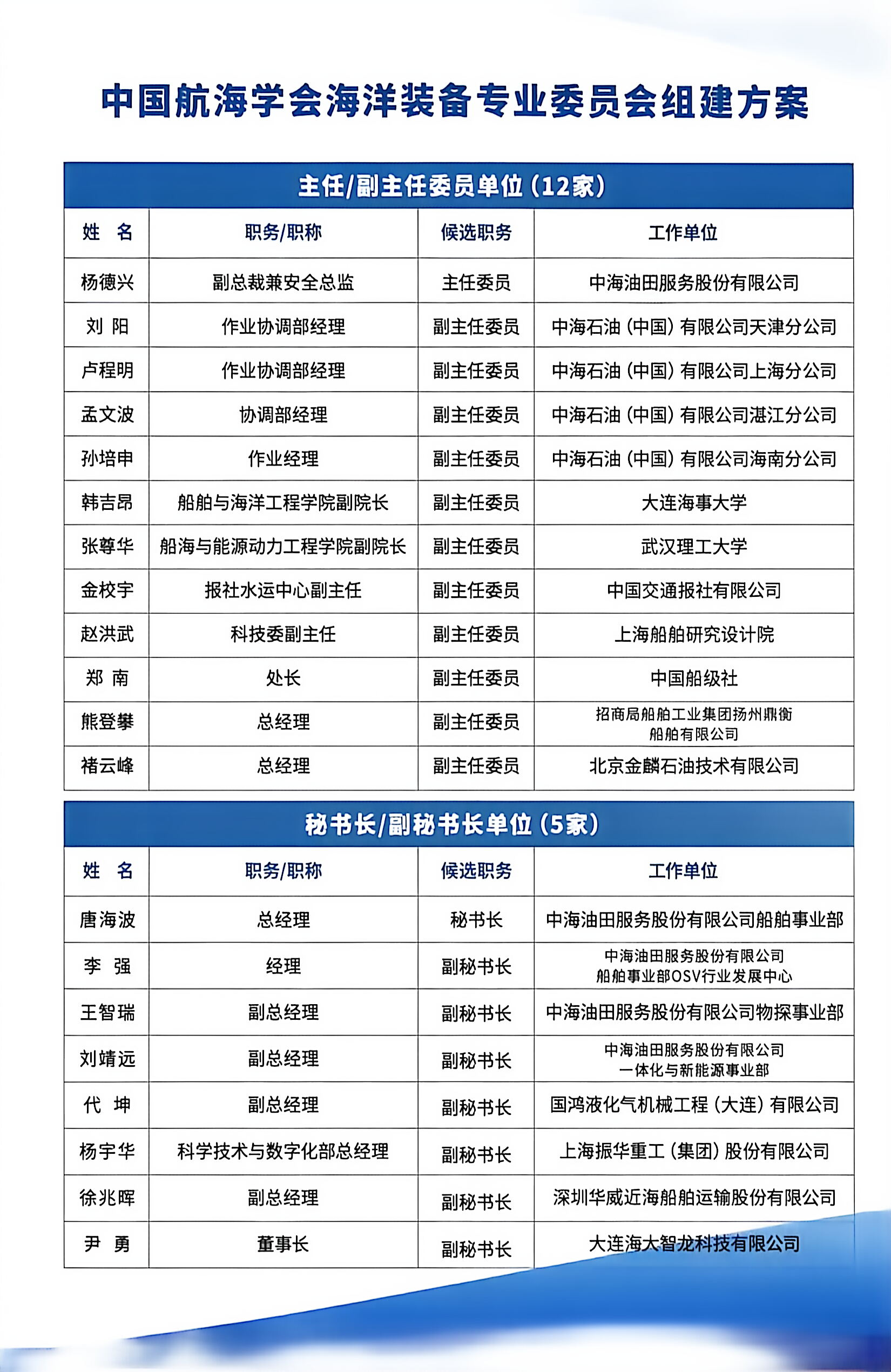
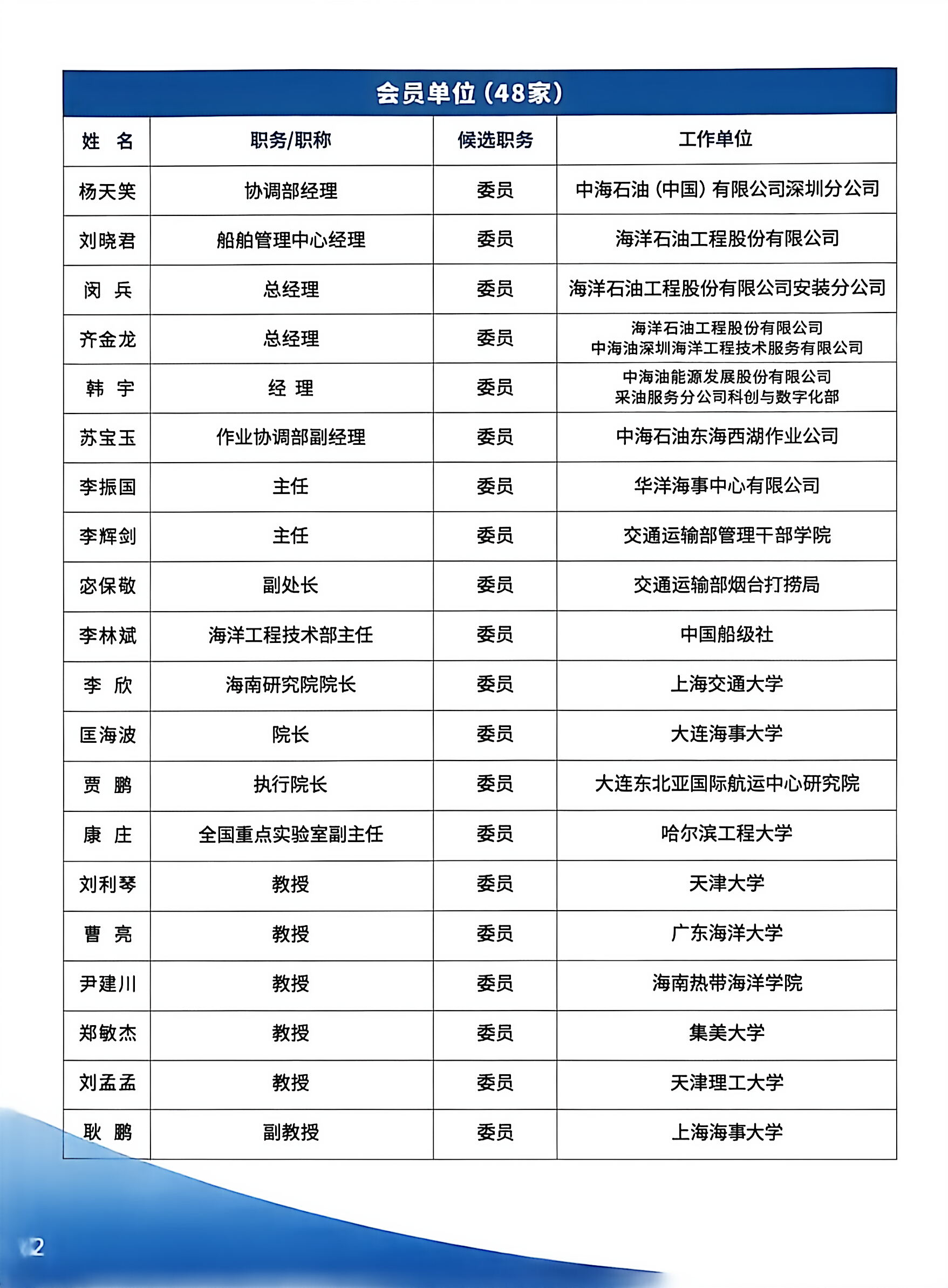
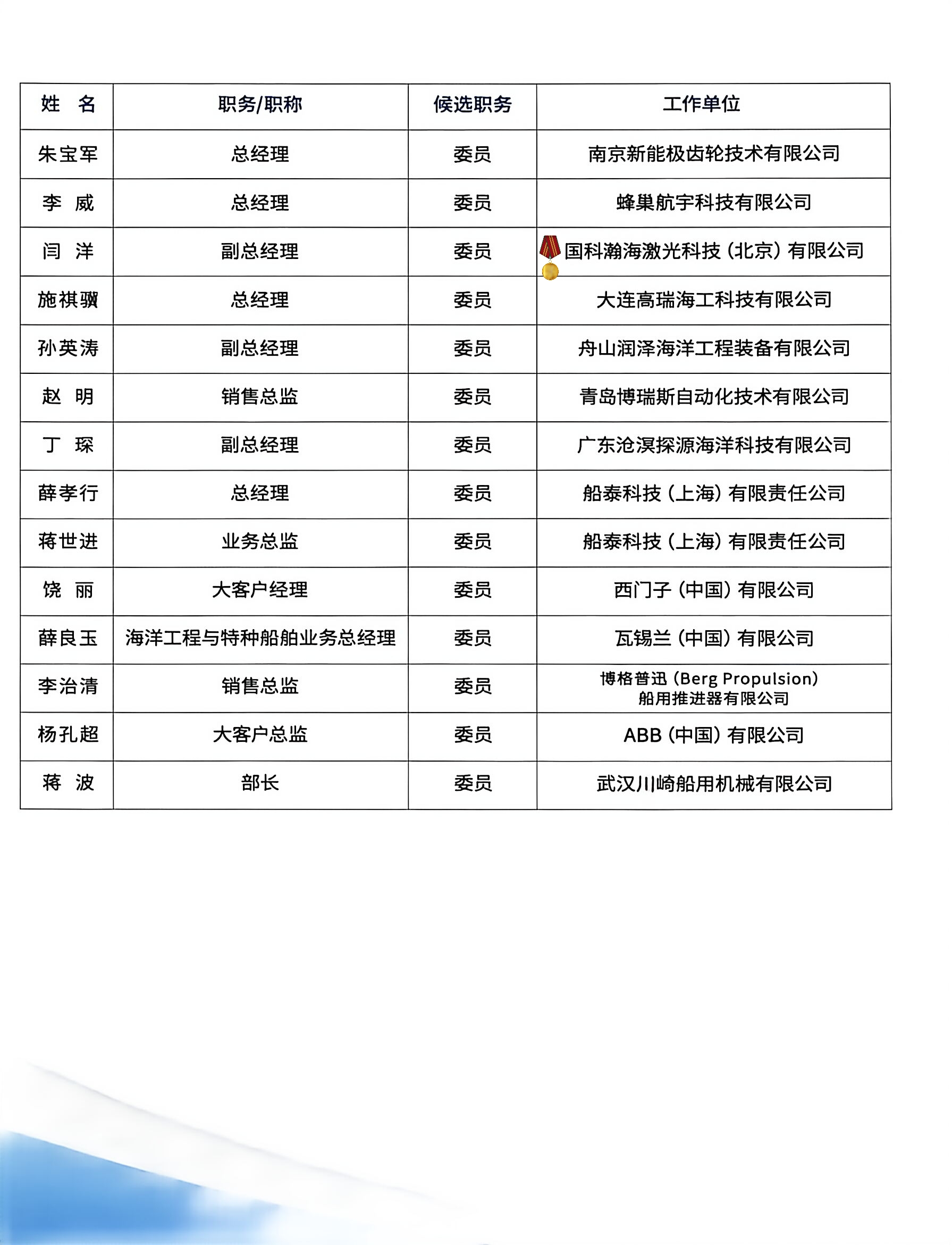
On July 10, the inaugural meeting of the Marine Equipment Special Committee under the China Institution of Navigation was successfully held in Yangzhou, Jiangsu Province. Led by China Oilfield Services Limited (COSL), the committee brings together over 60 leading entities covering offshore engineering, shipping, shipbuilding, maritime scientific research and other sectors, establishing a national industrial platform for collaborative innovation in marine equipment.
Backed by its self-developed, mature Tunable Diode Laser Absorption Spectroscopy (TDLAS) technology validated under extreme working conditions across multiple industries, Guoke Hanhai has officially secured membership as one of the committee’s founding organizations. The company introduces gas detection solutions with cross-generational technical advantages to the shipping and marine equipment sectors, upgrading the underlying perception capability of marine equipment from two core dimensions: full-vessel safety and green compliance emissions. It supports the industry in building high-precision, continuous and credible high-quality monitoring datasets.
Marine equipment represents core national infrastructure for deep-sea development. The Special Committee focuses on six key research priorities: equipment domestic substitution, intelligent shipping safety, maritime regulatory standards, marine new energy, and more, closing the industrial loop of “R&D – technical breakthroughs – commercial deployment – standard formulation”.
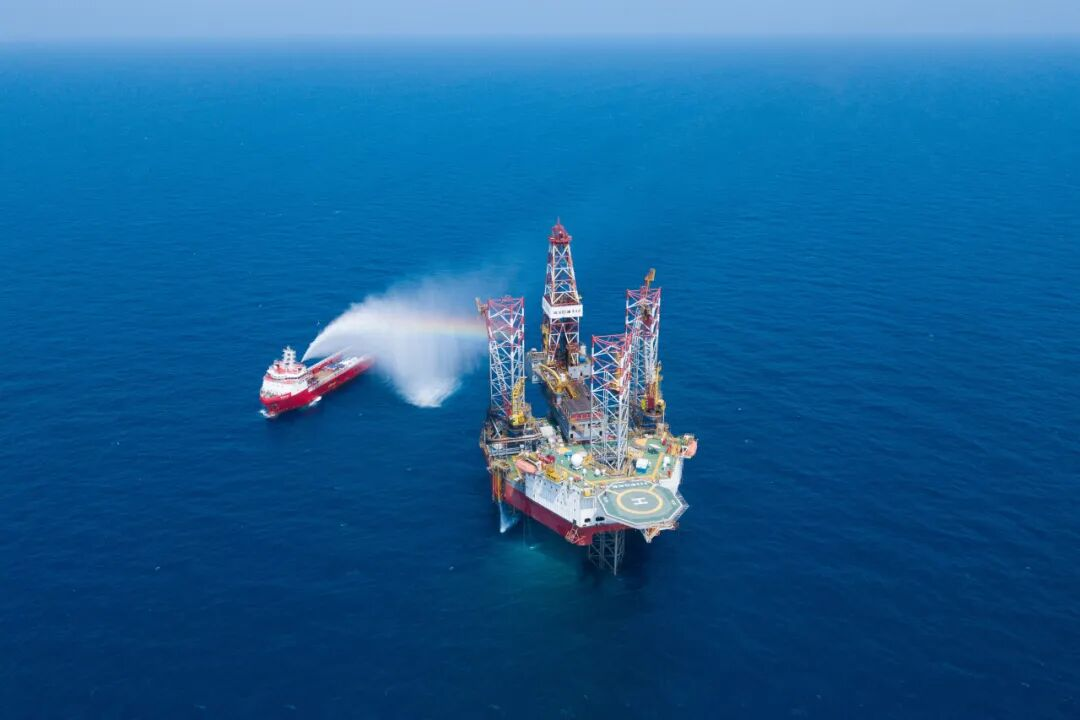
Currently, the vast majority of vessels and offshore platforms in China are still equipped with electrochemical sensors, conventional infrared sensors, smoke detectors and flame sensors. Long-term exposure to harsh marine environments featuring heavy salt fog, high humidity, volatile oil and gas, and complex mixed gases inside cabins creates inherent, persistent limitations for these traditional sensors, resulting in a notable generational technology gap compared with TDLAS laser spectroscopy technology.
Comprehensive Breakthroughs Over Shortcomings of Traditional Onboard Sensors
Critical Drawbacks of Conventional Shipborne Sensing Devices
1. Electrochemical Sensors
Detection relies on chemical electrode reactions. These sensors are highly susceptible to corrosion by hydrogen sulfide, fuel vapor and seawater salt fog, leading to irreversible element poisoning and permanent failure. Baseline values drift drastically during long-term operation, requiring frequent monthly calibration and maintenance. Frequent data gaps and false alarms severely compromise reliability in high-risk zones such as engine rooms, LNG cargo tanks and chemical cargo holds, making 24/7 continuous stable monitoring impossible.
2. Conventional Infrared Sensors
Performance suffers severe cross-interference from water vapor, dust and miscellaneous gases, limiting gas identification accuracy. Trace gas leaks cannot be detected, and response speed is slow. The bulky equipment has poor vibration resistance; readings become highly distorted under turbulent sailing conditions, failing to support accurate early warning.
3. Smoke & Flame Detectors
These devices only identify open flames and dense smoke and cannot pre-detect colorless, odorless flammable or toxic gases. They act as post-incident alert tools, remaining completely insensitive during stages of gas accumulation and toxic vapor dispersion, eliminating any possibility of proactive risk prevention.
By contrast, Guoke Hanhai’s TDLAS laser absorption spectroscopy technology operates on a purely physical molecular fingerprint recognition principle, requiring no catalysts or electrochemical consumables. It fundamentally eliminates the inherent flaws of traditional equipment and delivers industry-leading performance in reliability, real-time responsiveness and continuous monitoring:
Unmatched reliability with zero risk of permanent poisoning failure
Immune to interference from marine salt fog, high humidity, oil vapor and mixed gases; no electrode corrosion or catalyst degradation occurs. Readings show zero drift during prolonged offshore operation, eliminating frequent calibration requirements. The technology supports year-round uninterrupted operation for ocean-going vessels and offshore drilling platforms.
Millisecond-level real-time response for early risk interception
Detection response time ranges from 0.1 to 3 seconds, enabling instant capture of trace gas leaks—far faster than electrochemical and conventional infrared sensors. Early warnings trigger before gas concentrations reach thresholds for explosion or toxic poisoning risks, completely reversing the passive post-hazard response model of traditional sensors.
All-weather continuous stable data output with gap-free records
Readings remain unaffected by vessel startup/shutdown, sailing turbulence, day-night temperature fluctuations and cabin ventilation variations. Valid concentration data is collected uninterruptedly 24/7, with full traceability and auditability, resolving persistent pain points of traditional devices including frequent malfunctions, data discontinuities and incomplete log records.
Commercial Deployment Across Three Core Industry Tracks
(I) Full-Vessel Safety Monitoring to Eliminate Hidden Lethal Offshore Risks
Engine rooms, LNG fuel tanks, chemical cargo holds, ballast tanks, sewage tanks and enclosed spaces on offshore platforms continuously accumulate highly toxic and flammable gases including methane, hydrogen sulfide, carbon monoxide and ammonia. Traditional sensors are prone to failure and missed alarms, exposing seafarers to constant explosion, suffocation and poisoning hazards during enclosed cabin operations and offshore patrol inspections.
Powered by TDLAS laser technology, fixed scanning remote monitoring devices deliver full-area scanning at a distance of up to 150 meters across open decks and platform exposed zones. Pump-sampling laser analyzers access deep tank bottoms and dead pipe corners for precise sampling, simultaneously identifying 8 categories of hazardous gases. The equipment runs continuously and stably, outputting authentic real-time concentration readings to eliminate safety blind spots where “hardware remains online yet monitoring fails to function”. It builds a robust intrinsic safety barrier for vessels and offshore engineering equipment at the foundational perception layer.
(II) Compatibility with Green Methanol & Green Ammonia New Energy Vessels to Address New Leak Risks of Zero-Carbon Fuels
Global shipping is accelerating energy transition, with green methanol and green ammonia emerging as core decarbonization pathways for vessels as zero-carbon green fuels. However, these two fuels introduce unprecedented challenges for safety monitoring:
Concealed leakage characteristics: Methanol and ammonia are colorless, with no obvious pungent odor at low concentrations, rendering minor leaks undetectable via routine manual patrols.
Compound risk accumulation: Ammonia carries triple hazards of extreme toxicity, strong corrosiveness and flammability/explosibility; methanol vapor features a broad explosion concentration range. Once leaks accumulate, crew poisoning and engine room explosion accidents become highly probable.
Detection failure of conventional equipment: Electrochemical and standard infrared sensors rapidly degrade in sensitivity after prolonged exposure to ammonia and methanol vapor corrosion and poisoning, failing entirely to identify trace leaks and preventing early risk warning.
Guoke Hanhai’s TDLAS laser spectroscopy precisely targets unique molecular spectral fingerprints of methanol and ammonia, unaffected by cross-interference from fuel oil, water vapor, salt fog and mixed gases. Ultra-high ppb-level sensitivity captures micro-leaks in pipelines, storage tanks and fuel filling ports. Millisecond-level rapid response triggers early warnings before fuel concentrations reach dangerous thresholds, serving as a dedicated, reliable proactive safety monitoring solution for new green fuel vessels. It delivers uninterrupted all-weather monitoring for fuel filling zones, fuel tanks and enclosed engine room spaces on new energy vessels, filling the gap in safety perception technology for novel green shipping fuels and establishing a solid safety baseline for the green energy transition of maritime transport.
(III) Green Compliance Emissions Monitoring for Shipping, Building Continuous & Credible High-Quality Datasets
Regulations issued by the International Maritime Organization (IMO) continue to tighten, including sulfur emission control rules, Carbon Intensity Indicator (CII) requirements and MRV carbon emission accounting standards. Port State Control inspections, low-carbon certification and carbon trading impose rigid mandatory requirements on monitoring data in terms of continuity, precision and traceability.
Electrochemical and conventional infrared sensors suffer severe baseline drift and frequent data gaps, making them incapable of supporting long-term compliance evidence collection. Guoke Hanhai’s laser detection technology achieves ppb-level ultra-high precision, collecting continuous all-weather concentration data for ship exhaust, fuel volatile emissions and greenhouse gases without signal distortion or data interruptions. Complete, standardized and credible shipping emission datasets are generated, delivering core data support for ship exhaust treatment, R&D of low-carbon new energy vessels and maritime compliance verification.
Laser Technology Establishes New Industry Standards for Marine Equipment
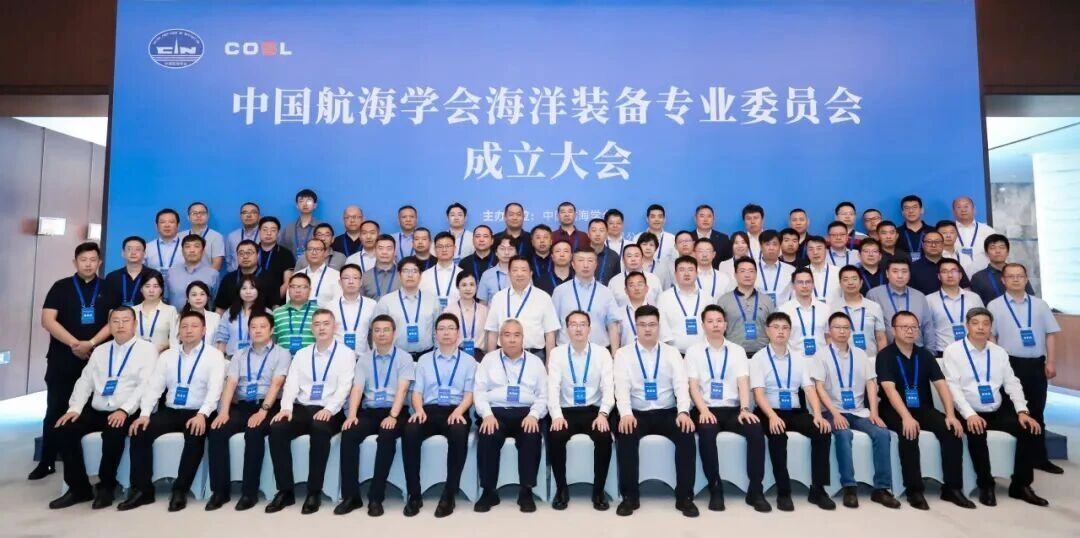
As one of the inaugural member organizations of the Marine Equipment Special Committee of the China Institution of Navigation, Guoke Hanhai will collaborate closely with COSL, leading shipyards, classification societies and maritime scientific research institutes to conduct in-depth collaborative innovation across thecommittee’s six core research priorities:
Promote the incorporation of TDLAS laser absorption spectroscopy technology into association standards and industrial specifications for vessels and offshore engineering equipment, add dedicated monitoring technical clauses for green ammonia and green methanol new energy vessels, and upgrade the shipborne sensor selection system leveraging cross-generational technical advantages.
Develop customized laser monitoring equipment tailored for ocean-going oil tankers, LNG carriers, green methanol/green ammonia new energy vessels and offshore drilling platforms, breaking foreign monopolies over high-end shipboard sensing hardware.
Jointly develop intelligent offshore inspection robots and offshore emergency detection systems, creating an integrated offshore perception solution combining long-distance laser remote sensing and quadruped autonomous patrol robots.
Co-establish a comprehensive database for shipping safety and emission monitoring, leveraging continuous, reliable laser monitoring data to support fundamental theoretical research into intelligent shipping and green marine equipment.
For New Horizons of Deep Seas, Technology Serves as a Solid Shield. Conventional electrochemical, infrared and smoke sensing technology can no longer satisfy the demand for intelligent, low-carbon and ultra-safe modern shipping development, especially failing to meet early leak warning requirements for novel green fuels including green ammonia and green methanol. TDLAS laser absorption spectroscopy technology, with its cross-generational technical superiority, represents an inevitable choice for upgrading the perception architecture of marine equipment.
Moving forward, Guoke Hanhai will fully capitalize on its self-developed laser detection technology advantages. Supported by the collaborative innovation platform of the Special Committee, the company will comprehensively elevate technical standards for safety control and compliance monitoring of vessels and offshore engineering equipment. Powered by domestic cutting-edge technology, Guoke Hanhai will advance high-quality, green and secure development of China’s marine shipping industy
TEL:400-055-1239 (9:00~17:00)
MAIL:lisghanhai@gkhhlaser.com
ADDR:302 Floor, Building 5, No. 18, Kechuang 13th Street, Beijing Economic and Technological Development Zone