
ABOUT
Hanhai Opto-electronic is a major scientific research achievement transformation institution of the Hefei Institute of Physical Science, Chinese Academy of Sciences.


Hanhai Opto-electronic is a major scientific research achievement transformation institution of the Hefei Institute of Physical Science, Chinese Academy of Sciences.

Hanhai Optoelectronics centers on laser absorption spectroscopy-based gas detection (TDLAS)technology, developing and manufacturing a full range of products to deliver comprehensive gas detection solutions for cross-field and multi-industry customers.

Hanhai Optoelectronics' laser gas detection products focus on the monitoring of flammable, explosive, toxic and harmful gases as well as greenhouse gases. Leveraging mature technical solutions and flexible product adaptability, these products can be widel

With over a decade of technical accumulation and recognition from nearly a hundred customers, Hanhai Optoelectronics' laser gas detection products have delivered successful cases covering core scenarios across petrochemicals, urban gas, environmental moni

The company's core technology has been jointly recommended by the Ministry of Emergency Management, the Ministry of Science and Technology, and the Ministry of Industry and Information Technology.
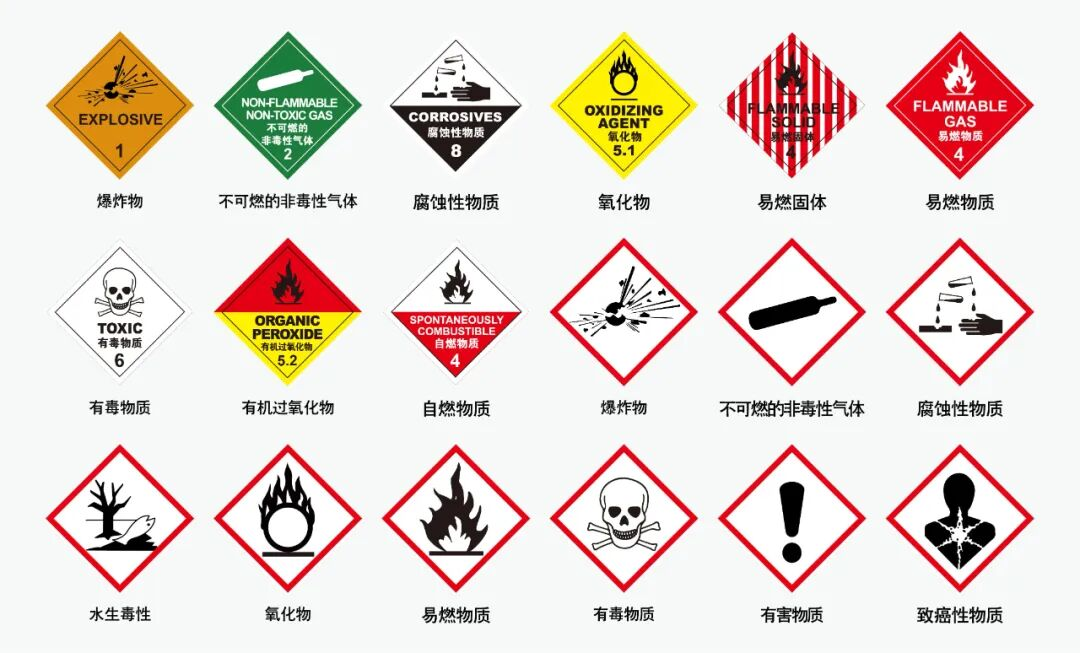
In daily life and production, toxic, harmful, flammable and explosive gases are like "killers" hiding in the dark, posing a serious threat to our life and property safety at any time. Due to different usage scenarios and gas types, these dangerous gases present varying hazard forms in industrial, commercial and civil fields, with prevention and control methods focusing on different aspects.
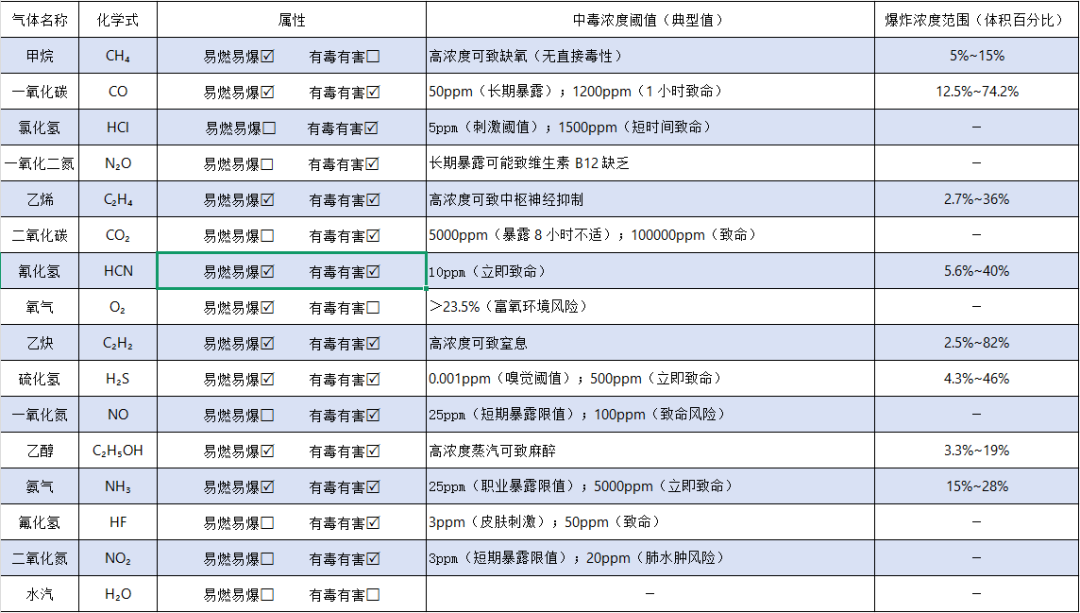
In the process of industrial production, the potential hazards of toxic, harmful, flammable and explosive gases are like the Sword of Damocles hanging high, constantly threatening personnel safety, environmental and ecological stability, and enterprise property safety. Taking toxic and harmful gases as an example, hydrogen sulfide is common in industries such as oil extraction and sewage treatment. Low concentrations of hydrogen sulfide (50-100ppm) can irritate the conjunctiva and respiratory tract, causing lacrimation, coughing and headache. When the concentration exceeds 700ppm, it can instantly paralyze the respiratory center, resulting in "flash" death. Chlorine is widely used in chemical synthesis; inhaling high concentrations of chlorine can corrode the respiratory mucosa, triggering chemical pulmonary edema and even respiratory failure in severe cases. Long-term exposure to volatile organic compounds such as benzene and formaldehyde can also cause irreversible health damage such as leukemia and cancer.
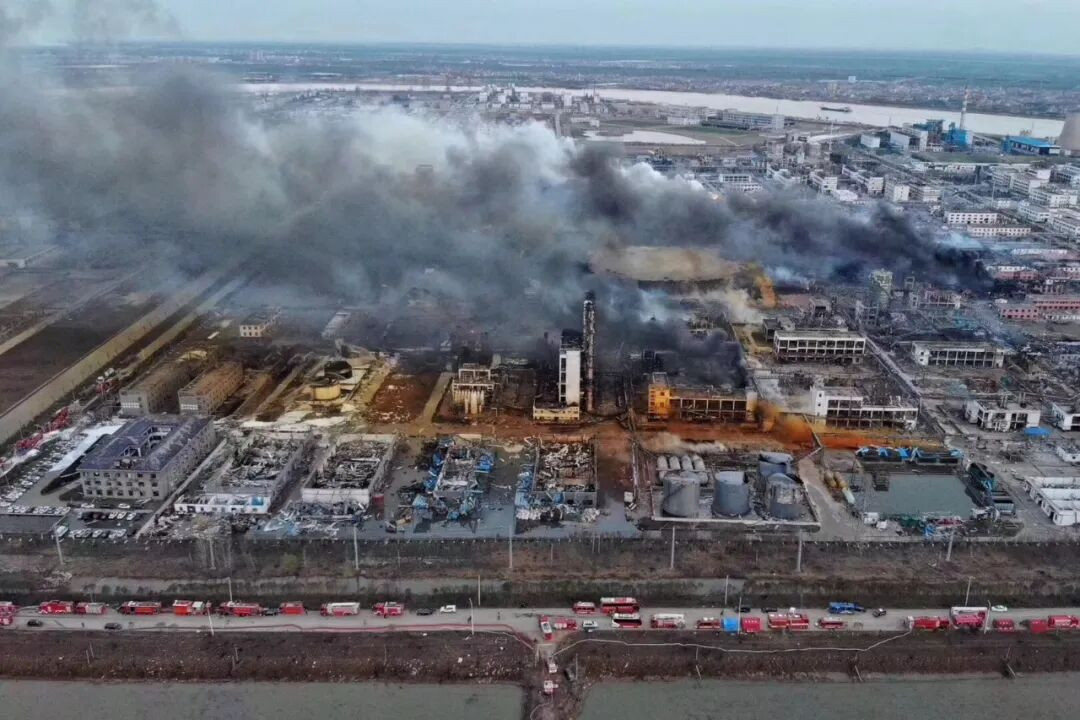
The hazards of flammable and explosive gases are equally shocking. When combustible gases such as hydrogen and acetylene are mixed with air within a certain concentration range (explosion limit), they will explode violently when encountering open flames, high temperatures or electrostatic sparks. In the "8·12" especially major fire and explosion accident at Tianjin Port in 2015, the spontaneous combustion of nitrocellulose caused the explosion of ammonium nitrate and other dangerous chemicals. A huge mushroom cloud rose at the scene, and the shock wave spread several kilometers, resulting in 173 deaths and direct economic losses of 6.866 billion yuan. The combustible gas mixture formed after the leakage of liquefied petroleum gas and natural gas is also prone to deflagration due to ignition sources, destroying workshops and equipment and causing heavy property losses.
In addition, once these dangerous gases leak into the environment, they will pollute soil, water bodies and the atmosphere. For example, the leakage of sulfur-containing gases can form acid rain, damaging vegetation. Volatile organic compounds will participate in photochemical reactions, forming ozone pollution and endangering the balance of the ecosystem. The hazards of toxic, harmful, flammable and explosive gases in the industrial field are not only sudden and catastrophic but also may bring long-term health and environmental sequelae, which must arouse great attention.
In commercial places, kitchens in the catering industry are "high-risk areas" for dangerous gas hazards. Liquefied petroleum gas and natural gas are commonly used as fuels; if the pipelines are aging or the joints are loose, leakage will occur. After these gases leak and accumulate, once encountering open flames or electric sparks, the instantaneous deflagration will cause devastating damage to personnel and buildings. In 2021, a restaurant in Shenyang exploded due to gas leakage, leaving the scene in chaos and injuring many people. Commercial places should regularly inspect gas pipelines and equipment and install gas leakage alarms. Maintain good ventilation to reduce the concentration of harmful gases.

In civil scenarios, the use of gas in home kitchens, septic tanks and sewers in residential communities are all closely related to dangerous gases. As public spaces for residents' daily life, residential communities also face risks of dangerous and explosive gases. Areas such as underground gas pipelines, septic tanks and garbage stations in communities may accumulate dangerous gases such as methane and hydrogen sulfide. Methane is flammable and explosive, while hydrogen sulfide is toxic and harmful. Excessively high concentrations can not only cause harm to the human body but also trigger explosion accidents. In this regard, property management companies of communities must assume management responsibilities, regularly inspect gas pipelines to check for corrosion, damage and other conditions, and repair hidden dangers in a timely manner. For areas prone to dangerous gas generation such as septic tanks and garbage stations, increase ventilation and cleaning frequency to avoid gas accumulation. At the same time, set up obvious warning signs in these areas to remind residents not to approach casually. Residents themselves should also improve safety awareness. If they detect peculiar smells, abnormal noises near gas pipelines, or gas leakage in septic tanks and garbage stations, they should promptly report to the property management and not handle it privately to avoid dangers.
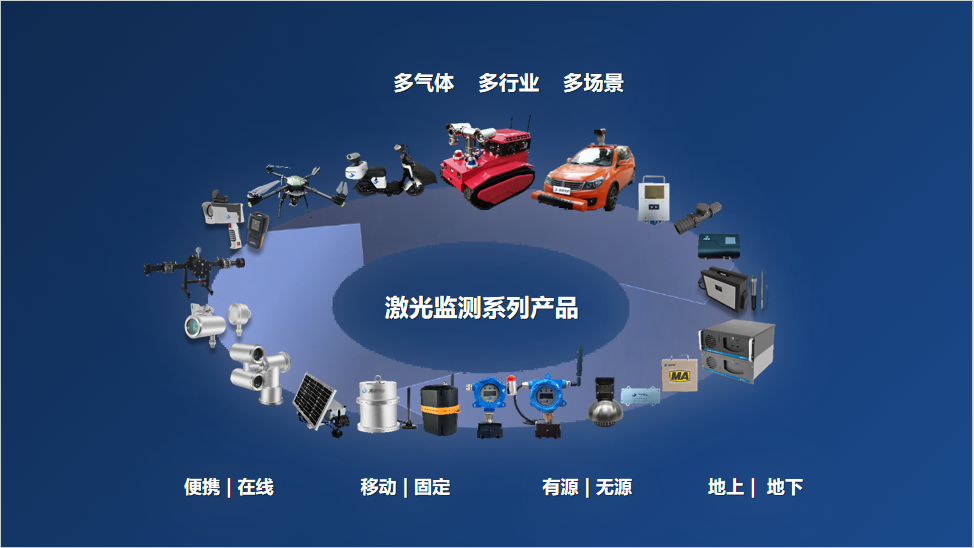
Hanhai Optoelectronics adopts advanced TDLAS (Tunable Diode Laser Absorption Spectroscopy) technology for accurate gas detection in the safety field. Its products are widely used in petrochemical, urban gas, coal mine safety, environmental protection testing and other fields. Over the past 15 years, it has accumulated rich practical experience in the leakage and monitoring of toxic, harmful, flammable and explosive gases, and developed a series of highly praised products for different scenarios such as industrial, commercial and civil use.
The hazards of toxic, harmful, flammable and explosive gases should not be underestimated. Whether in industrial production, commercial operations or family life, we must enhance safety awareness and master scientific prevention and control methods. Only in this way can we effectively prevent the threats posed by dangerous gases and protect life and property safety.
TEL:400-055-1239 (9:00~17:00)
MAIL:lisghanhai@gkhhlaser.com
ADDR:302 Floor, Building 5, No. 18, Kechuang 13th Street, Beijing Economic and Technological Development Zone