
ABOUT
Hanhai Opto-electronic is a major scientific research achievement transformation institution of the Hefei Institute of Physical Science, Chinese Academy of Sciences.


Hanhai Opto-electronic is a major scientific research achievement transformation institution of the Hefei Institute of Physical Science, Chinese Academy of Sciences.

Hanhai Optoelectronics centers on laser absorption spectroscopy-based gas detection (TDLAS)technology, developing and manufacturing a full range of products to deliver comprehensive gas detection solutions for cross-field and multi-industry customers.

Hanhai Optoelectronics' laser gas detection products focus on the monitoring of flammable, explosive, toxic and harmful gases as well as greenhouse gases. Leveraging mature technical solutions and flexible product adaptability, these products can be widel

With over a decade of technical accumulation and recognition from nearly a hundred customers, Hanhai Optoelectronics' laser gas detection products have delivered successful cases covering core scenarios across petrochemicals, urban gas, environmental moni

The company's core technology has been jointly recommended by the Ministry of Emergency Management, the Ministry of Science and Technology, and the Ministry of Industry and Information Technology.
As the first line of defense safeguarding lives across industrial safety, gas monitoring and fire emergency response sectors, combustible gas detectors are indispensable safety equipment. Yet few users know these detectors can suffer irreversible poisoning. Once poisoned, they fail silently without any visible warning and give no alarm amid actual gas leakage, evolving into a fatal hidden safety hazard.
Today, Guoke HanHai delivers a full breakdown covering the mechanisms, common poisoning contaminants, product selection criteria, national standard specifications and prevention solutions to help you eliminate hidden risks at the source.
Part 1: What Is Sensor Poisoning?
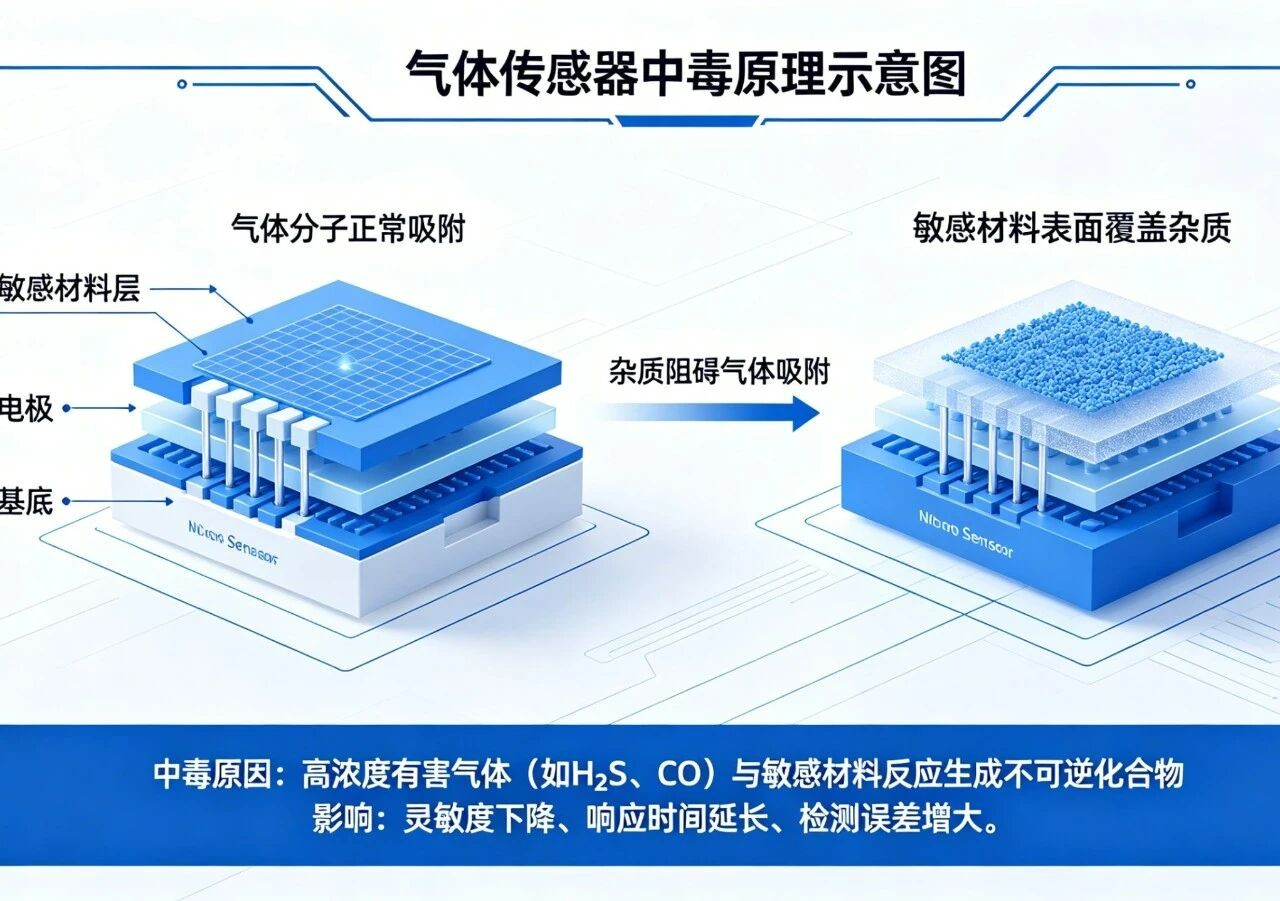
Sensor poisoning differs from ordinary equipment malfunction; it causes irreversible damage to sensor sensitive components.
Catalytic bead sensors, the most prevalent type on the market, detect gas via flameless combustion relying on platinum and palladium catalysts.
When exposed to toxic substances, hazardous contaminants occupy catalyst active sites, damage catalyst structures and form a covering layer on sensing surfaces. Consequently, the sensor fails to respond to gas leaks or trigger alarms with no feasible repair solution in most cases.
In short: the device appears intact visually but has functionally gone blind.
Part 2: Three Primary Poisoning Culprits in Daily Life & Industry
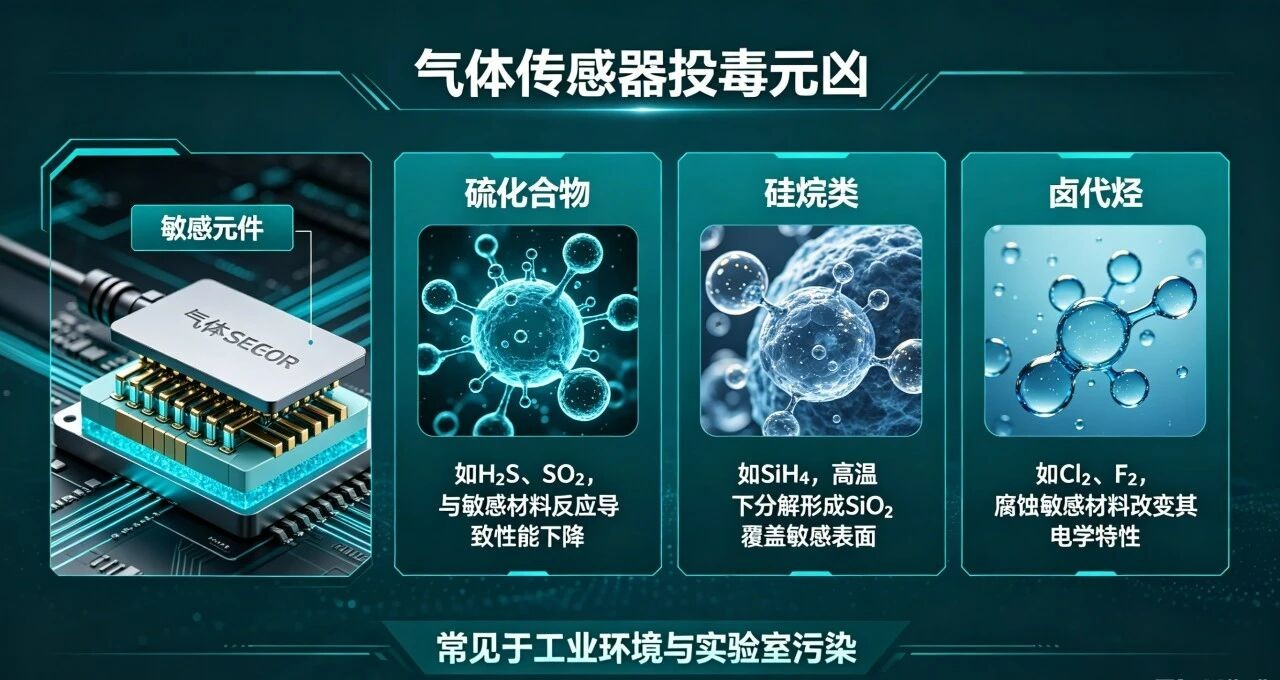
Silicone Compounds (Top Poisoning Hazard)
Volatiles from glass adhesive, sealant, lubricants, foam glue and hair spray form hard glassy coatings on catalyst surfaces and trigger severe irreversible sensor poisoning.
Sulfides, Halogenated Hydrocarbons & Welding Fumes
Hydrogen sulfide, paint waste gas and welding smog corrode catalysts, gradually degrading sensor sensitivity until complete breakdown.
Cooking Fume, High-Concentration Alcohol & Grease
These substances interfere with normal detection readings, trigger false alarms, accelerate component aging and shorten sensor service life.
Part 3: Performance Comparison of Four Common Sensor Technologies
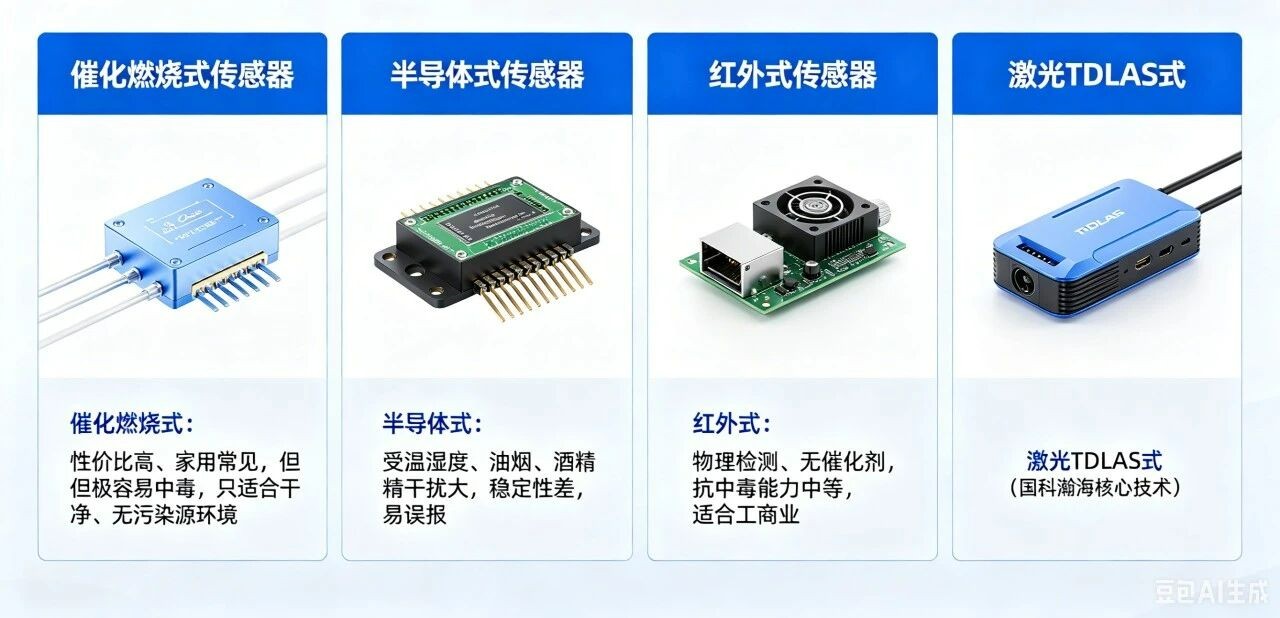
Anti-poisoning capability varies drastically among different technical routes:
Catalytic Bead Sensor: Cost-effective and widely used for household applications yet highly susceptible to poisoning; only suitable for clean environments free of pollutant sources.
Semiconductor Sensor: Prone to interference from temperature, humidity, cooking fume and alcohol, featuring poor stability and frequent false alarms.
Infrared Sensor: Adopts physical detection without catalysts with moderate anti-poisoning performance, ideal for commercial and industrial scenarios.
TDLAS Laser Sensor (Core Technology of Guoke HanHai)
Built on pure physical spectral detection with zero catalyst configuration, it is completely immune to poisoning from silicones, sulfides, cooking fume and alcohol. Free from long-term drift and false alarms, it stands as the optimal definitive solution for high-risk industrial sites, fire emergency operations and complex working conditions.
Part 4: Mandatory Requirements Stipulated in New National Standard GB 15322.1-2026
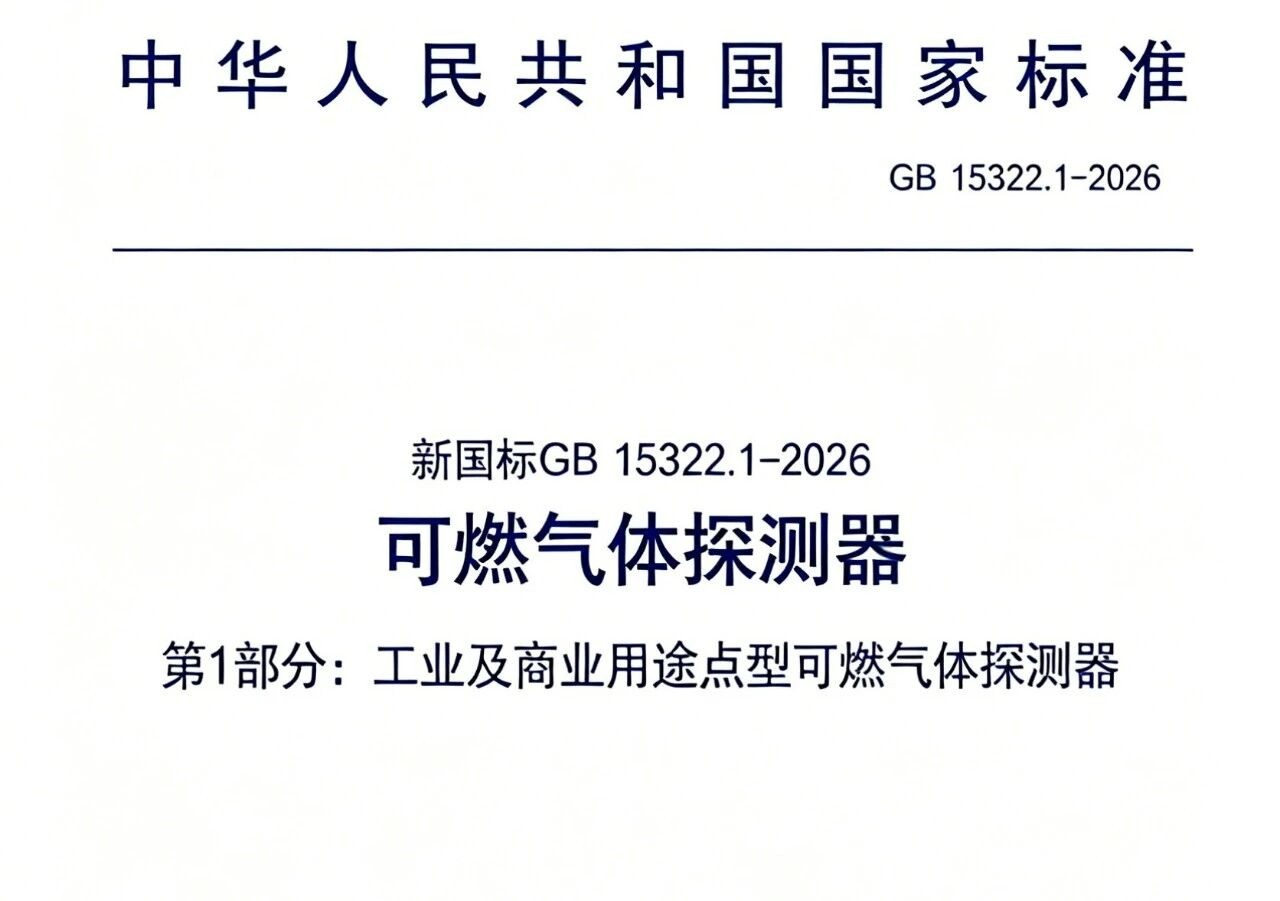
Enforced in 2026, the updated national standard for combustible gas detectors sets binding specifications for anti-poisoning performance:
Products must pass standardized silicone poisoning, alcohol resistance and cooking fume resistance qualification tests;
Catalytic bead sensors are prohibited as standalone detection equipment in environments prone to sensor poisoning;
Infrared and TDLAS laser detection technologies are prioritized for industrial deployment;
Routine calibration is mandatory to avoid latent sensitivity degradation.
The mandatory clauses explicitly indicate: improper sensor selection equals ineffective safety protection.
Part 5: Three Core Measures to Prevent Sensor Poisoning Fundamentally
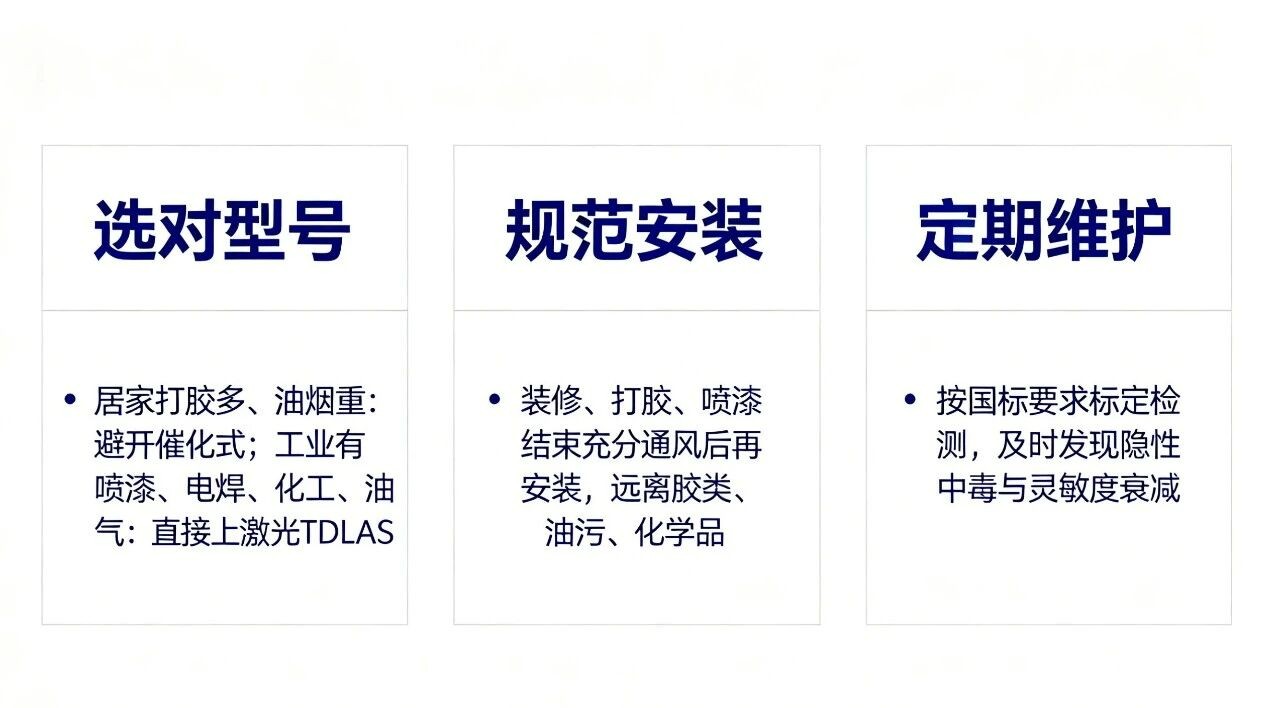
Select Appropriate Sensor Types
Opt out of catalytic sensors for residential premises with frequent glue application and heavy cooking fume; deploy TDLAS laser sensors directly for industrial sites involving painting, welding, chemical processing and oil & gas operations.
Standardize Installation Procedures
Complete full ventilation after renovation, gluing and painting before equipment installation; keep detectors away from adhesives, grease and chemical agents.
Implement Regular Maintenance
Conduct periodic calibration and inspection complying with national standards to spot concealed poisoning and sensitivity loss timely.
HanHai’s Safety Insight: Ultimate Safety Lies in Poison-Proof Detection
Genuine industrial safety cannot rely on post-failure repairs, frequent component replacement or repeated manual calibration; it originates from intrinsic safety via advanced technology.
Guoke HanHai’s proprietary TDLAS Tunable Diode Laser Absorption Spectroscopy fundamentally eliminates poisoning risks from the working principle: catalyst-free, non-contact measurement, anti-aging and drift-free with outstanding anti-contamination performance.
Deployed across high-risk sectors including coal mines, chemical plants, urban gas pipelines and firefighting emergency robots, it delivers permanent reliable monitoring once installed.
Never let undetected sensor poisoning spark catastrophic safety accidents. Choosing the right detection technology means choosing lasting safety.
TEL:400-055-1239 (9:00~17:00)
MAIL:lisghanhai@gkhhlaser.com
ADDR:302 Floor, Building 5, No. 18, Kechuang 13th Street, Beijing Economic and Technological Development Zone