ABOUT
Hanhai Opto-electronic is a major scientific research achievement transformation institution of the Hefei Institute of Physical Science, Chinese Academy of Sciences.


Hanhai Opto-electronic is a major scientific research achievement transformation institution of the Hefei Institute of Physical Science, Chinese Academy of Sciences.

Hanhai Optoelectronics centers on laser absorption spectroscopy-based gas detection (TDLAS)technology, developing and manufacturing a full range of products to deliver comprehensive gas detection solutions for cross-field and multi-industry customers.

Hanhai Optoelectronics' laser gas detection products focus on the monitoring of flammable, explosive, toxic and harmful gases as well as greenhouse gases. Leveraging mature technical solutions and flexible product adaptability, these products can be widel

With over a decade of technical accumulation and recognition from nearly a hundred customers, Hanhai Optoelectronics' laser gas detection products have delivered successful cases covering core scenarios across petrochemicals, urban gas, environmental moni

The company's core technology has been jointly recommended by the Ministry of Emergency Management, the Ministry of Science and Technology, and the Ministry of Industry and Information Technology.

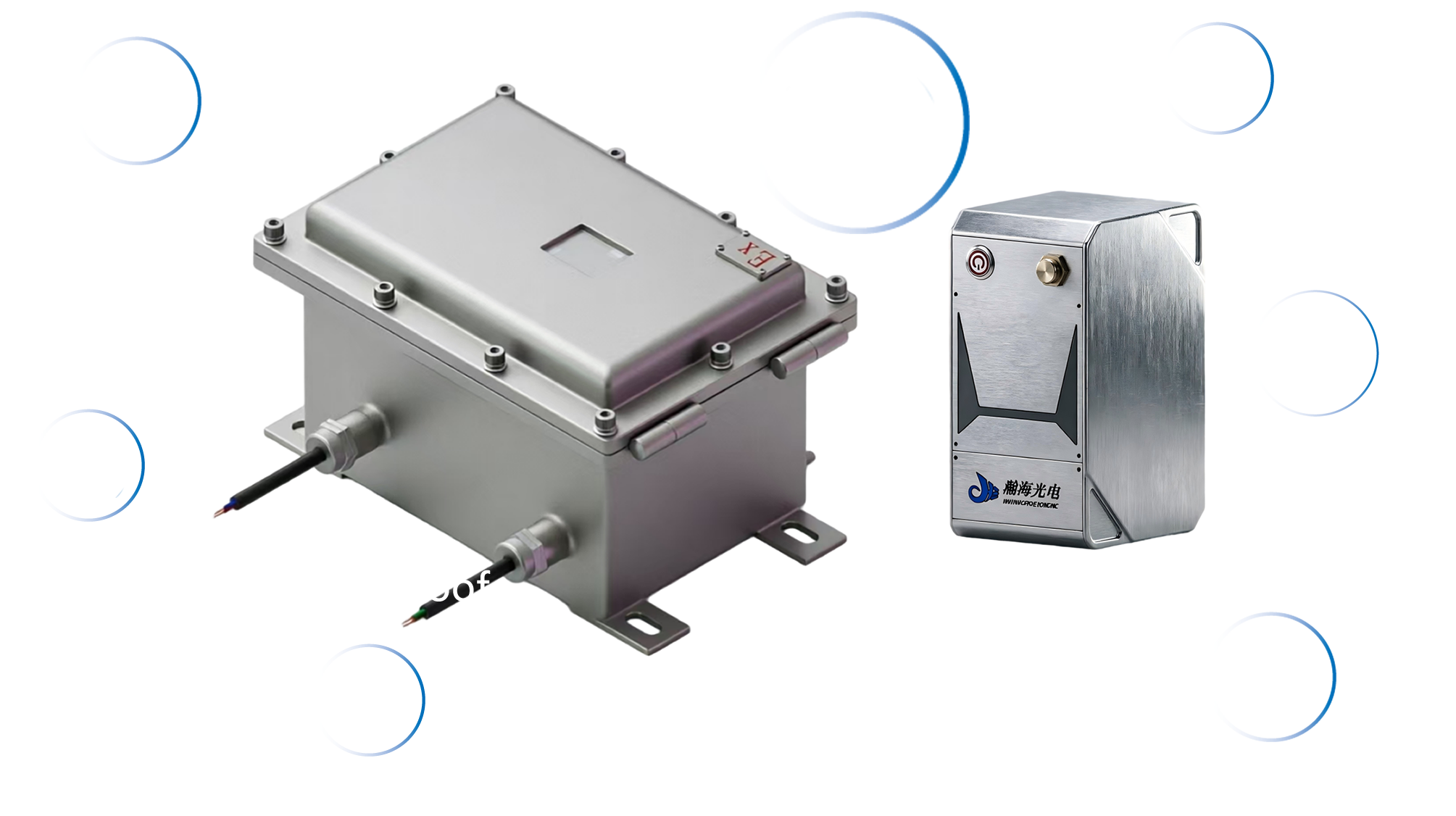
This (hydrogen sulfide) high-precision laser gas analyzer is an industrial-grade hazardous gas monitoring device based on the core technology of Tunable Diode Laser Absorption Spectroscopy (TDLAS). It is specially designed to address the highly toxic, flammable, explosive and strongly corrosive properties of hydrogen sulfide, as well as the demand for high-precision monitoring in industrial scenarios.
Adhering to the core design concept of "High Precision & Anti-interference, Corrosion & Explosion Resistance, Stability & Reliability", the product breaks through the pain points of traditional hydrogen sulfide monitoring equipment such as high false and missed alarm rates, poor corrosion resistance and slow response. It provides a continuous and reliable online monitoring solution for hydrogen sulfide concentration under full operating conditions for industries including petrochemicals, environmental protection, metallurgy and municipal engineering, delivering the triple values of safety protection, process control and environmental compliance.
The analyzer supports standalone deployment, enabling quick completion of routine monitoring tasks at single points or local areas. Meanwhile, it boasts flexible expandability for integration with mobile robots and other carriers, breaking the spatial limitations of fixed monitoring. It realizes mobile and full-coverage gas monitoring in complex industrial scenarios, fully meeting the diverse needs of industrial safety and environmental monitoring.

Independent research and development

Active monitoring

Maintenance-free

High sensitivity

No false positives

Zero false negatives

Strong anti-interference
1. Full-Process Monitoring Scenarios in Petrochemical Production
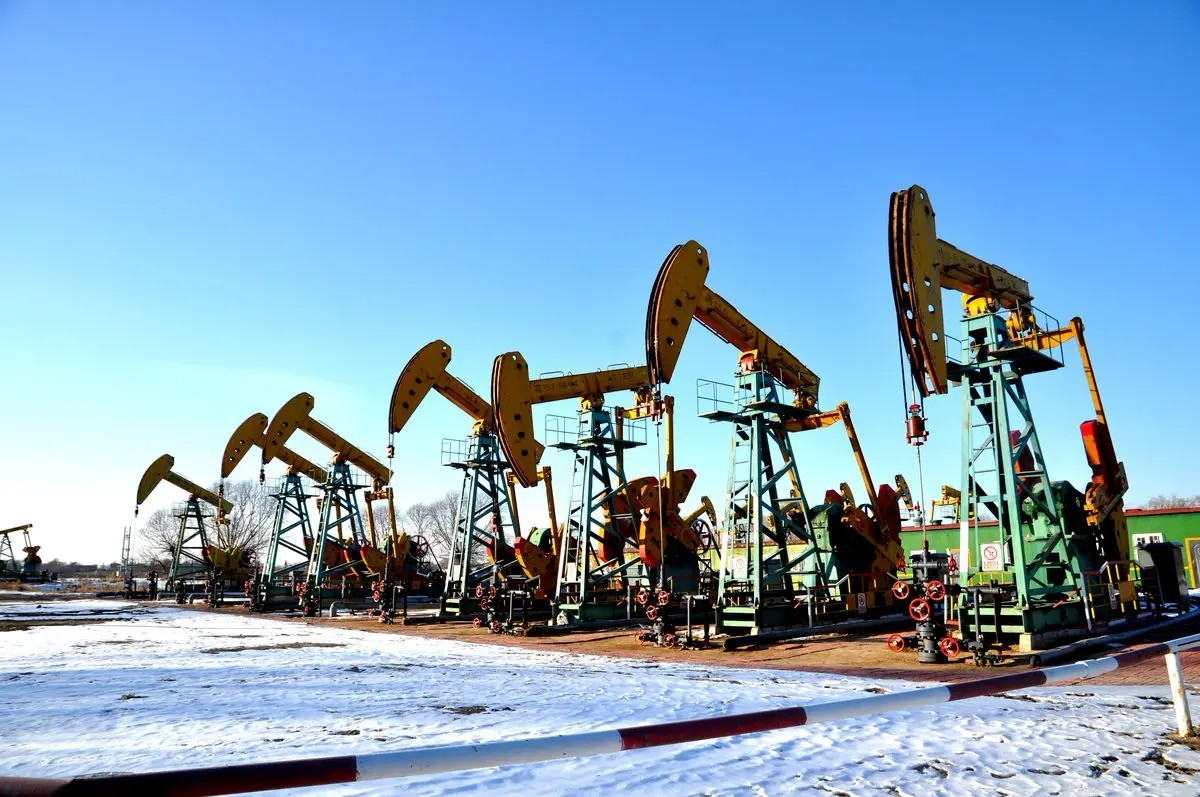
Oil and Gas Extraction: Real-time monitoring of hydrogen sulfide concentration in associated gas at drilling platforms, oil production well sites, oil and gas gathering pipelines and other locations. Hydrogen sulfide is a highly toxic and strongly corrosive gas in oil and gas field development. The analyzer can timely warn of concentration exceeding risks, link with emergency protection systems, and safeguard the lives of drilling and oil production operators. Meanwhile, it provides accurate data for desulfurization processes, optimizes desulfurizer injection volume, and improves the quality of oil and gas products.
Refining and Processing: Monitoring hydrogen sulfide leakage and process gas concentration changes in reactors, fractionation towers and pipeline routes of crude oil distillation, catalytic cracking, hydrofining and other units to prevent equipment perforation and cracking caused by gas corrosion. In sulfur recovery units, it accurately controls hydrogen sulfide concentration, ensures sulfur conversion rate, reduces hydrogen sulfide emissions in tail gas, and meets environmental protection requirements.
Chemical Storage and Transportation: Real-time monitoring of tank sealing conditions and pipeline leakage through fixed deployment at hydrogen sulfide storage tank areas and loading/unloading stations. Especially for high-temperature and high-pressure storage and transportation environments, it realizes 24/7 uninterrupted monitoring to eliminate poisoning and explosion accidents caused by gas leakage.
2. Safety Protection Scenarios in Mining and Metallurgical Industries
Coal Mining: Monitoring the natural emission concentration of hydrogen sulfide in coalbed methane at underground excavation faces, return airways, goafs and other areas, and forming a dual safety early warning system combined with gas monitoring data. It can be mounted on mining inspection robots to penetrate high-risk areas inaccessible to personnel, achieving all-weather and dead-angle-free monitoring, and preventing the superimposed risks of hydrogen sulfide poisoning and gas explosion.
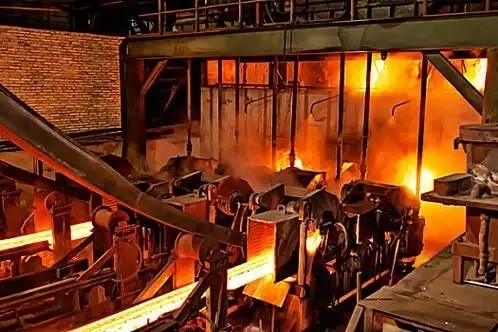
Metal Smelting: Monitoring hydrogen sulfide concentration in smelting furnace tail gas during the roasting and smelting of non-ferrous metal (copper, lead, zinc, etc.) sulfide ores, guiding the adjustment of process parameters, and reducing equipment corrosion loss caused by the gas. In the confined spaces of smelting workshops, it conducts real-time monitoring of leaked gas to ensure the breathing safety of operators, and provides data support for tail gas desulfurization systems.
Non-Metal Mining: Monitoring the accumulation of hydrogen sulfide in mine pits during pyrite mining, phosphate rock mining and other scenarios. Especially in poorly ventilated underground working faces, it timely triggers ventilation systems to control gas concentration within safe thresholds.
3. Municipal Environmental Protection and Sewage Treatment Monitoring Scenarios
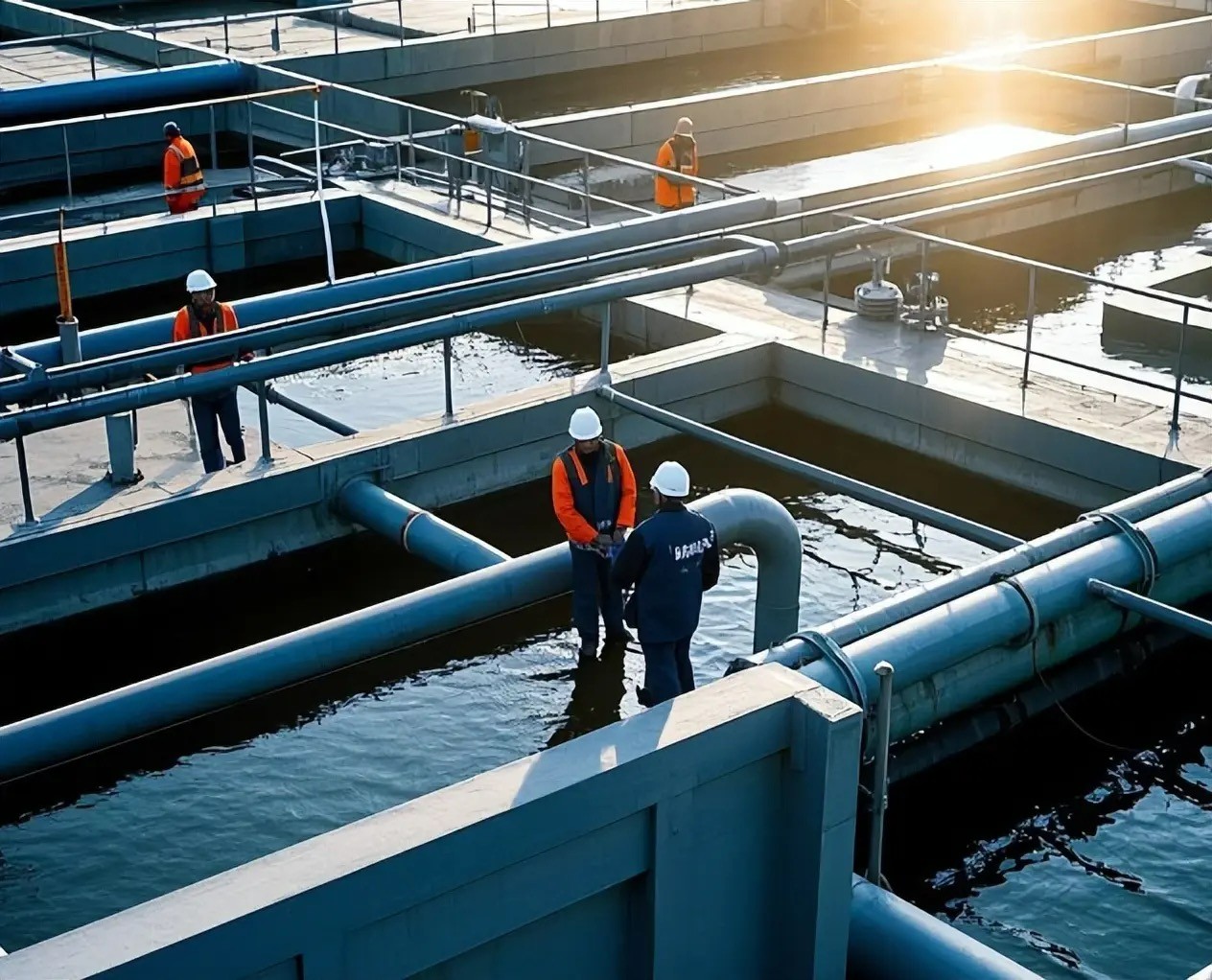
Sewage Treatment: Monitoring hydrogen sulfide gas produced by microbial decomposition of organic matter in anaerobic digestion tanks, sludge treatment workshops, sewage lift pump stations and other areas of urban sewage treatment plants. This gas is not only highly toxic but also corrosive to sewage pipelines and treatment equipment. The analyzer can timely warn of concentration exceeding, link with deodorization and ventilation systems, improve the working environment, and extend the service life of equipment.
Waste Treatment: Monitoring hydrogen sulfide released during waste degradation at landfill sites, leachate treatment stations and waste unloading areas of waste incineration plants to prevent personnel poisoning caused by gas accumulation. Meanwhile, it connects to environmental supervision platforms to upload emission data in real time, meeting the emission standards for malodorous pollutants.
4. Environmental Emergency and Law Enforcement Monitoring Scenarios
Emergency Monitoring of Sudden Environmental Incidents: Rapidly deploying monitoring equipment mounted on robots at emergency sites such as hydrogen sulfide leaks in chemical enterprises, tailings pond dam failures and sewage pipe network ruptures to conduct real-time monitoring of hydrogen sulfide concentration. It delineates safe protection zones for emergency rescuers, guides leak plugging, evacuation and other disposal work, and reduces accident hazards.
Law Enforcement Monitoring of Industrial Waste Gas Emissions: Conducting on-site detection with high-precision analyzers at waste gas outlets of chemical, pharmaceutical, papermaking and other enterprises, accurately verifying hydrogen sulfide emission concentration, providing authoritative data support for environmental law enforcement, and cracking down on illegal discharge and excessive discharge behaviors.
Watershed Water Environment Monitoring: Analyzing the content of dissolved hydrogen sulfide in water bodies during river and lake monitoring to judge the degree of anaerobic pollution of water bodies, providing data reference for water environment governance and ecological restoration.
5. Scientific Research Experiments and Special Field Scenarios
Laboratories in Universities and Research Institutes: Applied in research fields such as environmental chemistry, microbiology and corrosion science. For example, it monitors the rate of hydrogen sulfide produced by anaerobic microbial metabolism, analyzes the corrosion mechanism of the gas on metal materials, and provides high-precision data for theoretical research and technological development in related fields.
Agricultural Scientific Research Applications: Detecting the content of hydrogen sulfide in soil during farmland soil monitoring, studying its impact on crop root growth, and providing scientific basis for saline-alkali land improvement and soil fertility enhancement.
Marine Environment Monitoring: Monitoring the distribution of hydrogen sulfide in seawater and seabed sediments in coastal and deep-sea areas, studying its impact on marine ecosystems, and supporting marine environmental protection and resource development.

1. High Specificity and ppm-Level Accurate Point Measurement
Based on the TDLAS laser "fingerprint-level" identification technology, the analyzer accurately calibrates the characteristic absorption spectral lines of the target gas, which can effectively shield the interference of water vapor, dust and other interfering gases, realizing high-precision measurement of gas concentration within a single-point area. The accuracy of monitoring data fully complies with industrial and scientific research-level monitoring standards, providing a reliable basis for concentration analysis.
2. Real-Time Monitoring and Intelligent Early Warning
It supports 24/7 uninterrupted single-point monitoring, capturing the dynamic changes of gas concentration at the monitoring point in real time. It synchronously outputs real-time concentration data and can quickly trigger sound and light alarms when the concentration is abnormal, providing timely response for safety protection and process control.
3. Stable Operation Under Full Working Conditions and Intelligent Operation & Maintenance
The analyzer can adapt to complex working conditions such as vibration, high and low temperatures, and high humidity, ensuring long-term stable operation in industrial sites and outdoor environments. It is equipped with remote parameter configuration and fault self-diagnosis functions, eliminating the need for frequent on-site debugging and maintenance, realizing integrated management of "monitoring - early warning - operation & maintenance" and significantly reducing labor costs.
4. Flexible Deployment for Diversified Scenarios
Independent Fixed Deployment: It can be directly installed at key monitoring points in the plant area, laboratory test benches, environmental monitoring stations and other locations to quickly complete point gas monitoring. The installation is convenient and does not modify the existing production process.
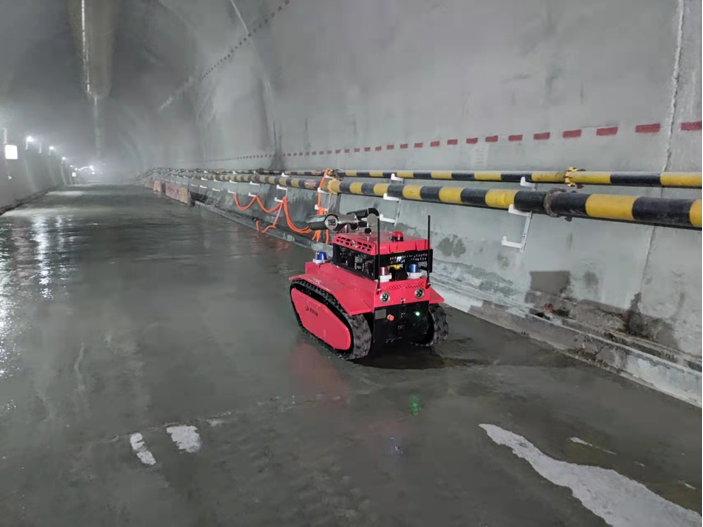
Vehicle-integrated Application: It can be seamlessly mounted on mobile carriers such as industrial inspection robots, breaking through the limitations of fixed monitoring points, and meeting diverse needs including mobile inspection in high-risk areas, emergency monitoring of sudden accidents, and grid-based monitoring of large-scale regions.
TEL:400-055-1239 (9:00~17:00)
MAIL:lisghanhai@gkhhlaser.com
ADDR:302 Floor, Building 5, No. 18, Kechuang 13th Street, Beijing Economic and Technological Development Zone