ABOUT
Hanhai Opto-electronic is a major scientific research achievement transformation institution of the Hefei Institute of Physical Science, Chinese Academy of Sciences.


Hanhai Opto-electronic is a major scientific research achievement transformation institution of the Hefei Institute of Physical Science, Chinese Academy of Sciences.

Hanhai Optoelectronics centers on laser absorption spectroscopy-based gas detection (TDLAS)technology, developing and manufacturing a full range of products to deliver comprehensive gas detection solutions for cross-field and multi-industry customers.

Hanhai Optoelectronics' laser gas detection products focus on the monitoring of flammable, explosive, toxic and harmful gases as well as greenhouse gases. Leveraging mature technical solutions and flexible product adaptability, these products can be widel

With over a decade of technical accumulation and recognition from nearly a hundred customers, Hanhai Optoelectronics' laser gas detection products have delivered successful cases covering core scenarios across petrochemicals, urban gas, environmental moni

The company's core technology has been jointly recommended by the Ministry of Emergency Management, the Ministry of Science and Technology, and the Ministry of Industry and Information Technology.

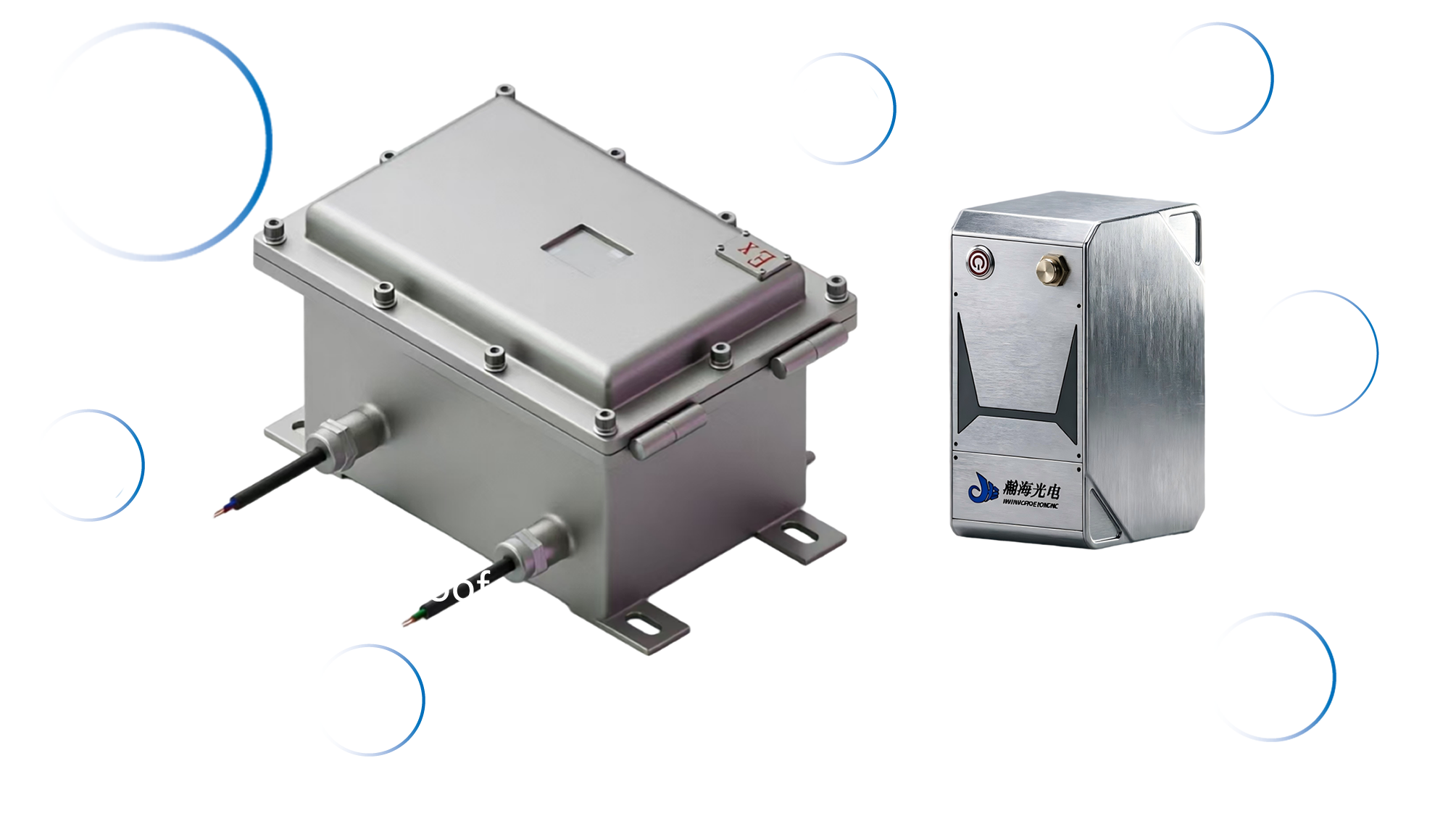
This (ethylene) high-precision laser gas analyzer is an industrial-grade online monitoring device based on the core technology of Tunable Diode Laser Absorption Spectroscopy (TDLAS). It is specially designed to address ethylene’s flammable and explosive properties, as well as the demand for high-precision monitoring in industrial scenarios.
Adhering to the core design concept of "High Precision & Anti-interference, Stability & Durability, Full-scenario Adaptability", the product breaks through the pain points of traditional ethylene monitoring equipment such as high false alarm rates, slow response and poor environmental adaptability. It provides a continuous and reliable online monitoring solution for ethylene concentration under full operating conditions for industries including petrochemicals, fine chemicals, warehousing and logistics, delivering the dual values of safety protection and process control.
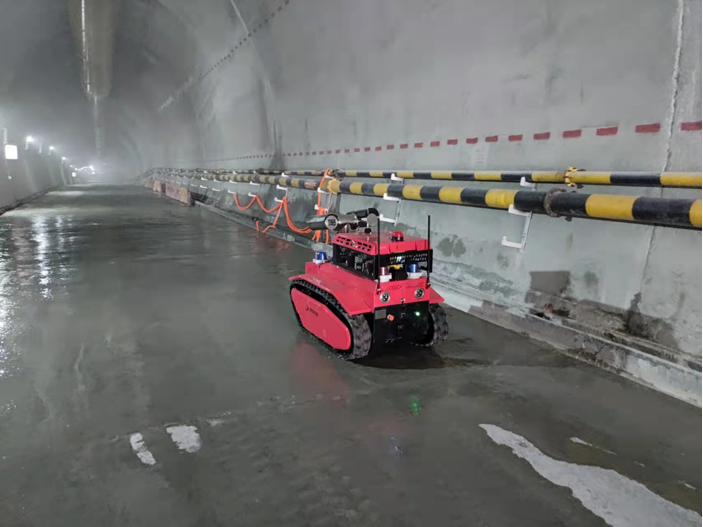
The analyzer supports standalone deployment, enabling quick completion of routine monitoring tasks at single points or local areas. Meanwhile, it boasts flexible expandability for integration with mobile robots and other carriers, breaking the spatial limitations of fixed monitoring. It realizes mobile and full-coverage gas monitoring in complex industrial scenarios, fully meeting the diverse needs of industrial safety and environmental monitoring.

Independent research and development

Active monitoring

Maintenance-free

High sensitivity

No false positives

Zero false negatives

Strong anti-interference
1. Process Monitoring Scenarios in Petrochemical Production
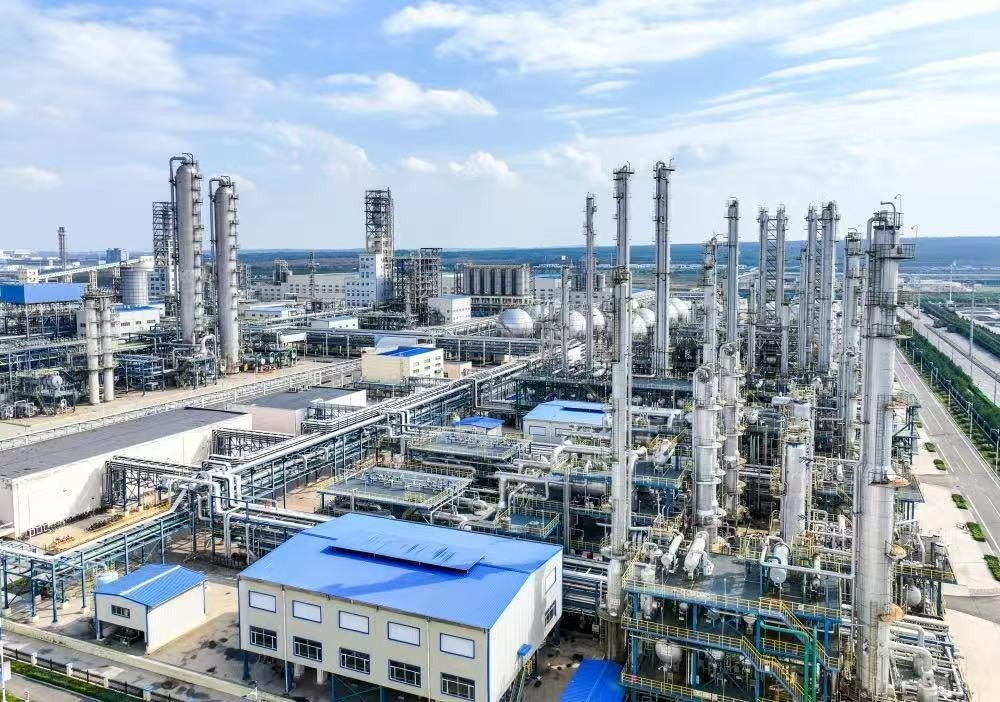
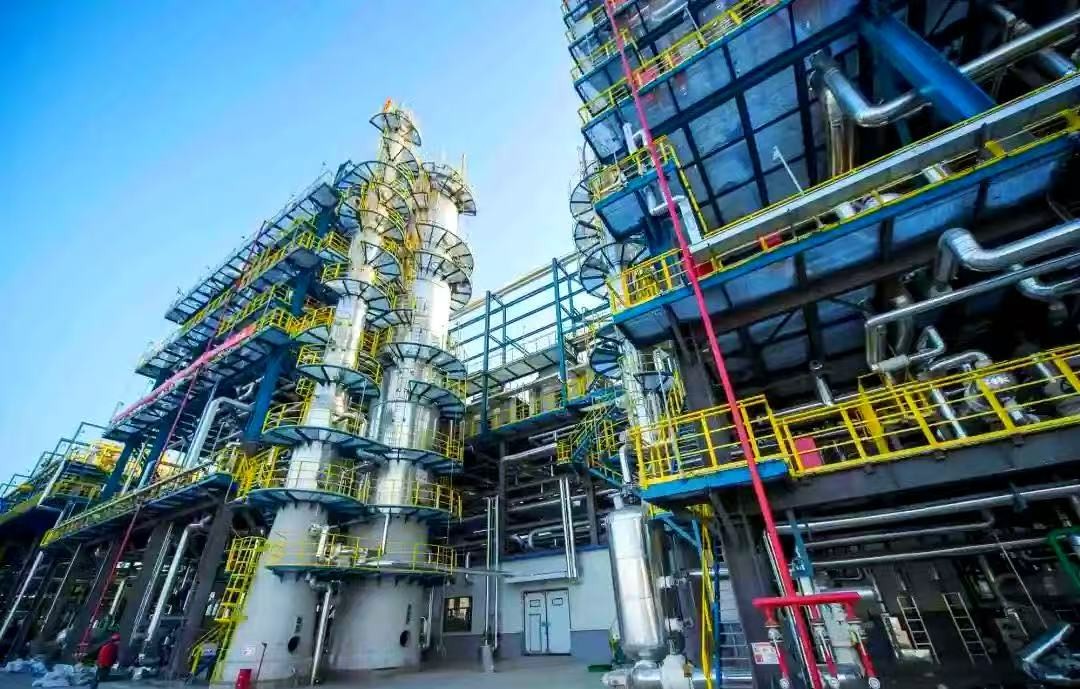
Petroleum Refining: In the core equipment for ethylene production via naphtha cracking, including cracking furnaces, quench towers and fractionation towers, real-time monitoring of ethylene concentration is conducted to accurately control the cracking reaction process and separation efficiency. It provides data support for adjusting process parameters such as cracking temperature and pressure, improving the yield and purity of ethylene products. Meanwhile, it monitors potential leakage points such as device pipelines and valves, issues timely warnings against ethylene leakage risks, and avoids safety accidents caused by flammable gas accumulation.
Olefin Deep Processing: In production workshops for polymers like polyethylene and polyvinyl chloride, ethylene concentration at the feed and discharge ports of reactors is monitored to ensure precise raw material ratio for polymerization reactions and guarantee the stability of product quality. Continuous ethylene concentration monitoring is carried out in confined spaces of the workshops to prevent personnel poisoning or explosion hazards caused by gas leakage.
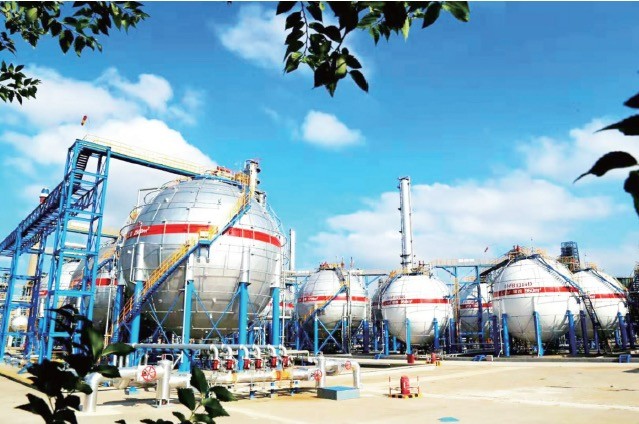
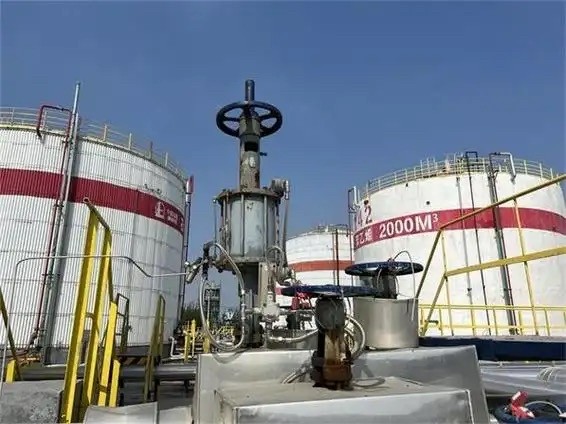
Chemical Storage and Transportation: Fixed deployment or mounting on inspection robots is adopted in ethylene storage tank areas, loading/unloading stations and along conveying pipelines to achieve 24/7 uninterrupted monitoring. It enables real-time tracking of tank sealing conditions and pipeline leakage status, ensuring the safety and controllability of ethylene storage and transportation links.
2. Monitoring Scenarios in Fruit and Vegetable Preservation and Food Processing
Controlled Atmosphere Storage of Fruits and Vegetables: Ethylene concentration in storage environments such as controlled atmosphere cold storage and fresh-keeping warehouses is monitored. As a "ripening hormone" that accelerates the ripening and senescence of fruits and vegetables, excessive ethylene accumulation will speed up their decay and deterioration. The analyzer can feed back concentration data in real time, and link with ventilation systems or ethylene removal equipment to control the concentration within an optimal range, extending the fresh-keeping period of fruits and vegetables and reducing storage losses.
Food Processing Workshops: In production processes such as wine brewing and fruit and vegetable juice processing, ethylene concentration generated during fermentation is monitored to assist in judging the fermentation progress, ensuring the stability of food processing technology and the consistency of product quality.
3. Environmental Monitoring and Emergency Response Scenarios
Unorganized Emission Monitoring in Petrochemical Parks: Grid deployment of analyzers or mobile inspections via robots is implemented in areas such as plant boundaries, sewage treatment stations and waste residue yards of petrochemical enterprises to accurately identify ethylene unorganized emission sources, providing data support for enterprise emission reduction management and environmental compliance.
Emergency Monitoring of Sudden Leakage: At emergency sites such as ethylene storage tank leakage and transportation pipeline rupture, robots equipped with the device are rapidly deployed to conduct real-time monitoring of ethylene concentration in the leakage area. It delineates safe protection zones for emergency rescuers and guides emergency disposal work such as leak plugging and personnel evacuation.
Industrial Waste Gas Emission Monitoring: At waste gas outlets of petrochemical enterprises, the analyzer is connected to environmental supervision platforms to upload ethylene emission data in real time, ensuring that the emission concentration complies with national standards and helping enterprises achieve environmental emission reduction targets.
4. Scientific Research Experiments and Special Field Scenarios
Laboratories in Universities and Research Institutes: Applied in research fields such as plant physiology and atmospheric chemistry. For example, it monitors the ethylene content released or absorbed during plant photosynthesis and respiration, analyzing the regulatory mechanism of ethylene on plant growth and development. In atmospheric pollution simulation experiments, it accurately detects the reaction process between ethylene and other pollutants, providing high-precision data for the research on the formation mechanism of photochemical smog.
Agricultural Scientific Research Applications: In scenarios such as breeding test fields and greenhouses, the ethylene release rules of different crop varieties during their growth cycles are monitored, studying the effects of ethylene on crop flowering, fruiting and senescence, and supporting the breeding of crop varieties with high fresh-keeping performance and good storability.
Auxiliary Monitoring in Semiconductor Manufacturing: In some semiconductor material synthesis processes, ethylene concentration in the reaction environment is monitored to ensure that the raw material purity meets the process requirements and guarantee the yield of semiconductor chip production.
1. High Specificity and ppm-Level Accurate Point Measurement
Based on the TDLAS laser "fingerprint-level" identification technology, the analyzer accurately calibrates the characteristic absorption spectral lines of the target gas, which can effectively shield the interference of water vapor, dust and other interfering gases, realizing high-precision measurement of gas concentration within a single-point area. The accuracy of monitoring data fully complies with industrial and scientific research-level monitoring standards, providing a reliable basis for concentration analysis.
2. Real-Time Monitoring and Intelligent Early Warning
It supports 24/7 uninterrupted single-point monitoring, capturing the dynamic changes of gas concentration at the monitoring point in real time. It synchronously outputs real-time concentration data and can quickly trigger sound and light alarms when the concentration is abnormal, providing timely response for safety protection and process control.
3. Stable Operation Under Full Working Conditions and Intelligent Operation & Maintenance
The analyzer can adapt to complex working conditions such as vibration, high and low temperatures, and high humidity, ensuring long-term stable operation in industrial sites and outdoor environments. It is equipped with remote parameter configuration and fault self-diagnosis functions, eliminating the need for frequent on-site debugging and maintenance, realizing integrated management of "monitoring - early warning - operation & maintenance" and significantly reducing labor costs.
4. Flexible Deployment for Diversified Scenarios
Independent Fixed Deployment: It can be directly installed at key monitoring points in the plant area, laboratory test benches, environmental monitoring stations and other locations to quickly complete point gas monitoring. The installation is convenient and does not modify the existing production process.
Vehicle-integrated Application: It can be seamlessly mounted on mobile carriers such as industrial inspection robots, breaking through the limitations of fixed monitoring points, and meeting diverse needs including mobile inspection in high-risk areas, emergency monitoring of sudden accidents, and grid-based monitoring of large-scale regions.
TEL:400-055-1239 (9:00~17:00)
MAIL:lisghanhai@gkhhlaser.com
ADDR:302 Floor, Building 5, No. 18, Kechuang 13th Street, Beijing Economic and Technological Development Zone