ABOUT
Hanhai Opto-electronic is a major scientific research achievement transformation institution of the Hefei Institute of Physical Science, Chinese Academy of Sciences.


Hanhai Opto-electronic is a major scientific research achievement transformation institution of the Hefei Institute of Physical Science, Chinese Academy of Sciences.

Hanhai Optoelectronics centers on laser absorption spectroscopy-based gas detection (TDLAS)technology, developing and manufacturing a full range of products to deliver comprehensive gas detection solutions for cross-field and multi-industry customers.

Hanhai Optoelectronics' laser gas detection products focus on the monitoring of flammable, explosive, toxic and harmful gases as well as greenhouse gases. Leveraging mature technical solutions and flexible product adaptability, these products can be widel

With over a decade of technical accumulation and recognition from nearly a hundred customers, Hanhai Optoelectronics' laser gas detection products have delivered successful cases covering core scenarios across petrochemicals, urban gas, environmental moni

The company's core technology has been jointly recommended by the Ministry of Emergency Management, the Ministry of Science and Technology, and the Ministry of Industry and Information Technology.

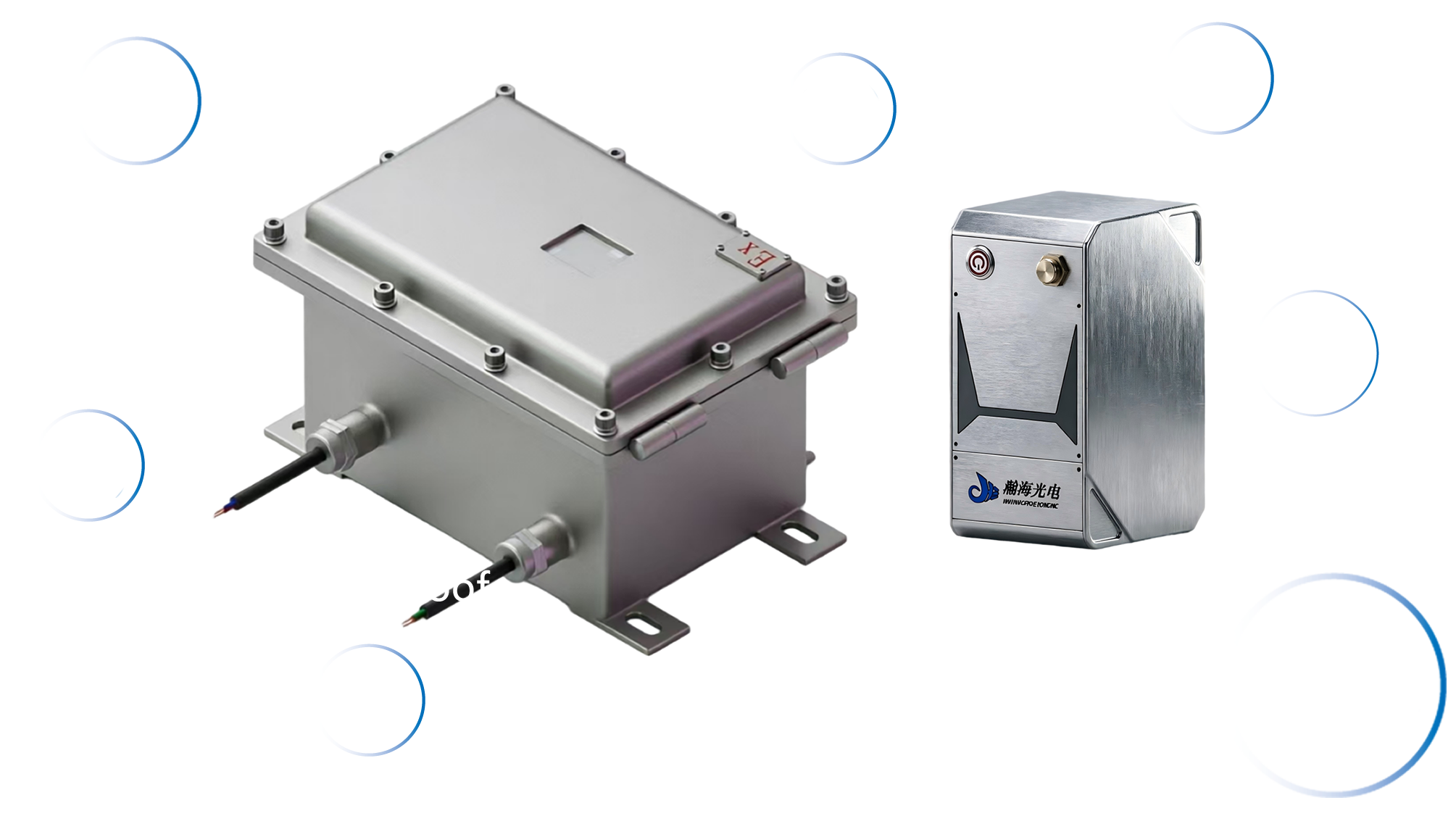
This (carbon dioxide) high-precision laser gas analyzer is an industrial and environmental-grade online monitoring device based on the core technology of Tunable Diode Laser Absorption Spectroscopy (TDLAS). Specifically designed for carbon dioxide concentration monitoring in non-pipeline scenarios, it focuses on diverse application scenarios including open spaces, enclosed areas and ecological environments. It breaks through the pain points of traditional monitoring equipment such as narrow adaptability, weak anti-interference capability and data lag, providing a continuous and reliable online monitoring solution for fields like environmental protection, agriculture, scientific research, warehousing and public security, with three core values of environmental management, process assurance and carbon accounting.
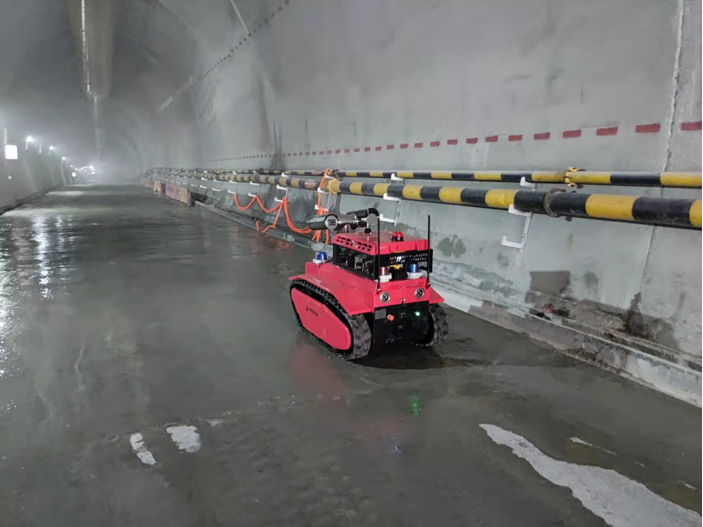
The analyzer supports standalone deployment, enabling quick completion of routine monitoring tasks at single points or local areas. Meanwhile, it features flexible expandability for integration with mobile robots and other carriers, breaking the spatial limitations of fixed monitoring. It achieves mobile and full-coverage gas monitoring in complex industrial scenarios, fully meeting the diverse needs of industrial safety and environmental monitoring.

Independent research and development

Active monitoring

Maintenance-free

High sensitivity

No false positives

Zero false negatives

Strong anti-interference
1. Process Optimization and Emission Monitoring Scenarios in the Energy and Power Industry
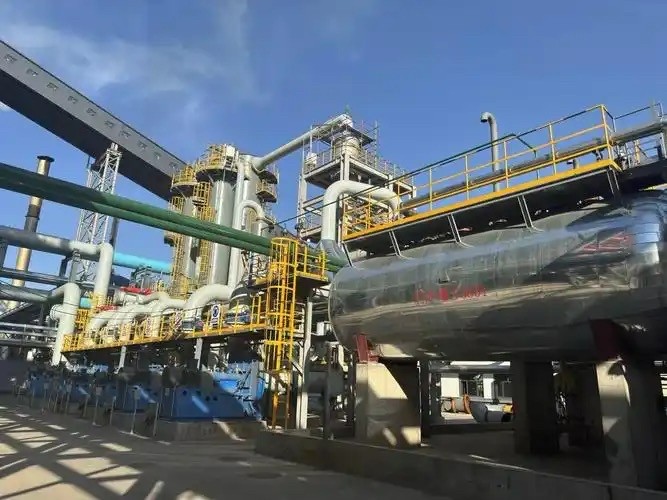
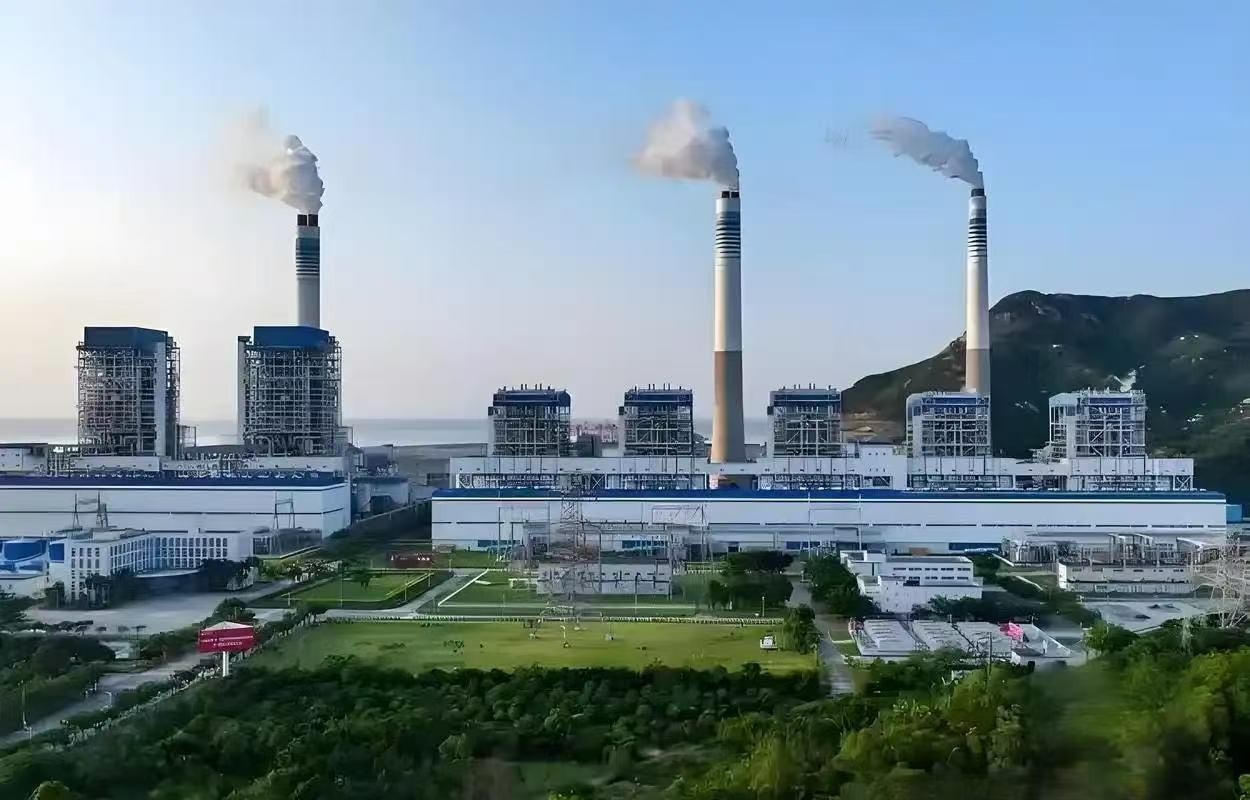
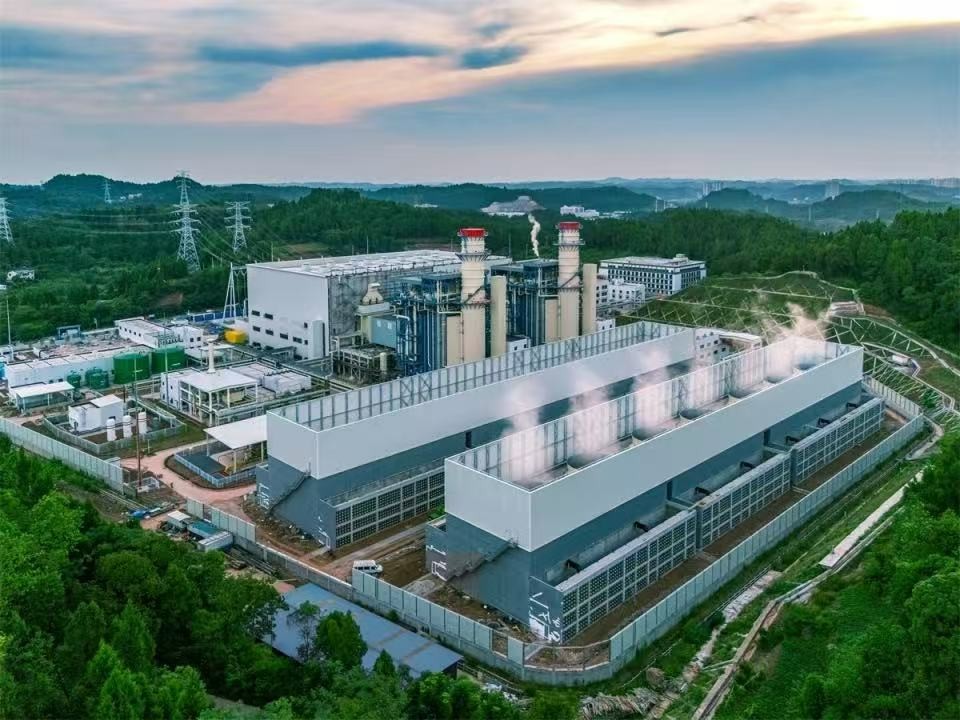
Thermal Power Generation: Real-time monitoring of carbon dioxide concentration in flue gas at boiler flues and outlets of desulfurization and denitrification systems in coal-fired power plants. It accurately calculates total carbon emissions by combining with unit load data, and realizes real-time data uploading to environmental supervision platforms. Meanwhile, it helps judge the adequacy of fuel combustion, guides the adjustment of secondary air ratio, optimizes power generation efficiency and reduces energy consumption.
Gas Power Generation and Cogeneration: Monitors carbon dioxide concentration in the exhaust gas of gas turbine combustion to ensure that emission data complies with regional low-carbon policy requirements. In cogeneration projects, it optimizes the energy distribution ratio between heat supply and power generation by regulating carbon dioxide concentration, improving the comprehensive energy utilization efficiency.
2. Production Control Scenarios in the Chemical Industry and Carbon Capture and Storage (CCS) Field
Chemical Production Process: Monitors the changes in carbon dioxide concentration in reactors during the production of chemical products such as synthetic ammonia, urea and soda ash, accurately regulates raw material ratio and reaction parameters to ensure product yield and quality stability. In carbonated beverage and food-grade carbon dioxide production workshops, it conducts real-time monitoring of gas purity to meet food safety production standards.
Carbon Capture, Utilization and Storage (CCUS): Monitors carbon dioxide concentration in absorbers and desorbers of carbon capture devices to optimize absorbent regeneration efficiency. It conducts long-term tracking of carbon dioxide concentration changes at injection wells and monitoring wells of storage sites, warns of leakage risks in storage formations, and ensures the safe and stable operation of CCUS projects. In carbon utilization scenarios such as carbon dioxide-enhanced oil recovery, it monitors gas concentration in injected and produced fluids to guide the optimization of oil displacement schemes.
3. Ultra-Low Emission Transformation Scenarios in the Metallurgical and Building Materials Industries
Metallurgical Industry: Monitors carbon dioxide concentration in flue gas treatment systems of blast furnace ironmaking and converter steelmaking, and links with waste heat recovery devices to improve energy recovery and utilization efficiency. In non-ferrous metal smelting processes, it monitors carbon dioxide in exhaust gas from roasting furnaces and refining furnaces, helping enterprises achieve carbon emission accounting and emission reduction targets.
Building Materials Industry: Conducts real-time monitoring of carbon dioxide concentration in flues of equipment such as cement kilns and ceramic firing kilns, adapts to high-temperature and high-dust working conditions, and provides accurate data support for ultra-low emission transformation in the cement and ceramic industries. In the production of new green building materials, it monitors concentration changes during carbon dioxide mineralization and solidification, optimizing building material performance and improving carbon sequestration efficiency.
4. Environmental Monitoring and Low-Carbon Governance Scenarios
Stationary Pollution Source Emission Monitoring: Installs fixed analyzers at emission outlets of waste incineration plants, biomass power plants and industrial kilns for 24/7 uninterrupted monitoring, ensuring that carbon dioxide emission data is true and accurate, and meeting the environmental supervision requirements under the national "dual carbon" goals.
Regional Greenhouse Gas Monitoring: Conducts carbon dioxide concentration mapping in industrial parks and urban built-up areas through grid deployment of analyzers or mounting on mobile monitoring vehicles, identifies high-emission areas, and provides data support for local governments to formulate low-carbon governance plans. In ecological reserves such as forests and wetlands, it monitors atmospheric carbon dioxide concentration to assess the carbon sink capacity of ecosystems.
Emergency Environmental Monitoring: Rapidly deploys analyzers mounted on robots at emergency sites such as carbon dioxide leaks and storage tank ruptures in chemical parks for real-time concentration monitoring, delineates safe zones for emergency rescue, and guides leak plugging and personnel evacuation work.
5. Production Guarantee Scenarios in the Agriculture and Food Industries
Agricultural Production: Accurately monitors carbon dioxide concentration in greenhouses and plant factories, links with ventilation systems and gas fertilizer application devices to control the concentration within the optimal range for crop photosynthesis, improving the yield and quality of fruits and vegetables. In farmland ecosystems, it monitors carbon dioxide flux released by soil respiration, providing data support for agricultural carbon budget accounting and the research and development of low-carbon planting technologies.
Food Industry: Monitors carbon dioxide concentration in controlled atmosphere fresh-keeping warehouses and cold chain transport carriages to maintain a suitable fresh-keeping environment, inhibits the respiration of fruits and vegetables, and extends the storage period. In grain storage warehouses, it warns of grain mildew risks by monitoring carbon dioxide concentration, ensuring grain storage safety.
6. Scientific Research Experiments and Special Field Scenarios
Experiments in Universities and Research Institutes: Applied in research fields such as atmospheric chemistry, climate change and plant physiology, it accurately captures subtle fluctuations in carbon dioxide concentration, providing high-precision data for the establishment of greenhouse gas diffusion models and the analysis of plant photosynthesis mechanisms.
Aerospace and Confined Space Monitoring: Monitors carbon dioxide concentration changes in confined spaces such as spacecraft simulation cabins, submarines and underground mines to ensure the breathing safety of personnel inside the cabins. On aero-engine test benches, it monitors carbon dioxide concentration in exhaust gas to assist in evaluating engine combustion efficiency.
1. High Specificity and ppm-Level Accurate Point Measurement
Based on the TDLAS laser "fingerprint-level" identification technology, the analyzer accurately calibrates the characteristic absorption spectral lines of the target gas, which can effectively shield the interference of water vapor, dust and other interfering gases, realizing high-precision measurement of gas concentration within a single-point area. The accuracy of monitoring data fully complies with industrial and scientific research-level monitoring standards, providing a reliable basis for concentration analysis.
2. Real-Time Monitoring and Intelligent Early Warning
It supports 24/7 uninterrupted single-point monitoring, capturing the dynamic changes of gas concentration at the monitoring point in real time. It synchronously outputs real-time concentration data and can quickly trigger sound and light alarms when the concentration is abnormal, providing timely response for safety protection and process control.
3. Stable Operation Under Full Working Conditions and Intelligent Operation & Maintenance
The analyzer can adapt to complex working conditions such as vibration, high and low temperatures, and high humidity, ensuring long-term stable operation in industrial sites and outdoor environments. It is equipped with remote parameter configuration and fault self-diagnosis functions, eliminating the need for frequent on-site debugging and maintenance, realizing integrated management of "monitoring - early warning - operation & maintenance" and significantly reducing labor costs.
4. Flexible Deployment for Diversified Scenarios
Independent Fixed Deployment: It can be directly installed at key monitoring points in the plant area, laboratory test benches, environmental monitoring stations and other locations to quickly complete point gas monitoring. The installation is convenient and does not modify the existing production process.
Vehicle-integrated Application: It can be seamlessly mounted on mobile carriers such as industrial inspection robots, breaking through the limitations of fixed monitoring points, and meeting diverse needs including mobile inspection in high-risk areas, emergency monitoring of sudden accidents, and grid-based monitoring of large-scale regions.
TEL:400-055-1239 (9:00~17:00)
MAIL:lisghanhai@gkhhlaser.com
ADDR:302 Floor, Building 5, No. 18, Kechuang 13th Street, Beijing Economic and Technological Development Zone