ABOUT
Hanhai Opto-electronic is a major scientific research achievement transformation institution of the Hefei Institute of Physical Science, Chinese Academy of Sciences.


Hanhai Opto-electronic is a major scientific research achievement transformation institution of the Hefei Institute of Physical Science, Chinese Academy of Sciences.

Hanhai Optoelectronics centers on laser absorption spectroscopy-based gas detection (TDLAS)technology, developing and manufacturing a full range of products to deliver comprehensive gas detection solutions for cross-field and multi-industry customers.

Hanhai Optoelectronics' laser gas detection products focus on the monitoring of flammable, explosive, toxic and harmful gases as well as greenhouse gases. Leveraging mature technical solutions and flexible product adaptability, these products can be widel

With over a decade of technical accumulation and recognition from nearly a hundred customers, Hanhai Optoelectronics' laser gas detection products have delivered successful cases covering core scenarios across petrochemicals, urban gas, environmental moni

The company's core technology has been jointly recommended by the Ministry of Emergency Management, the Ministry of Science and Technology, and the Ministry of Industry and Information Technology.

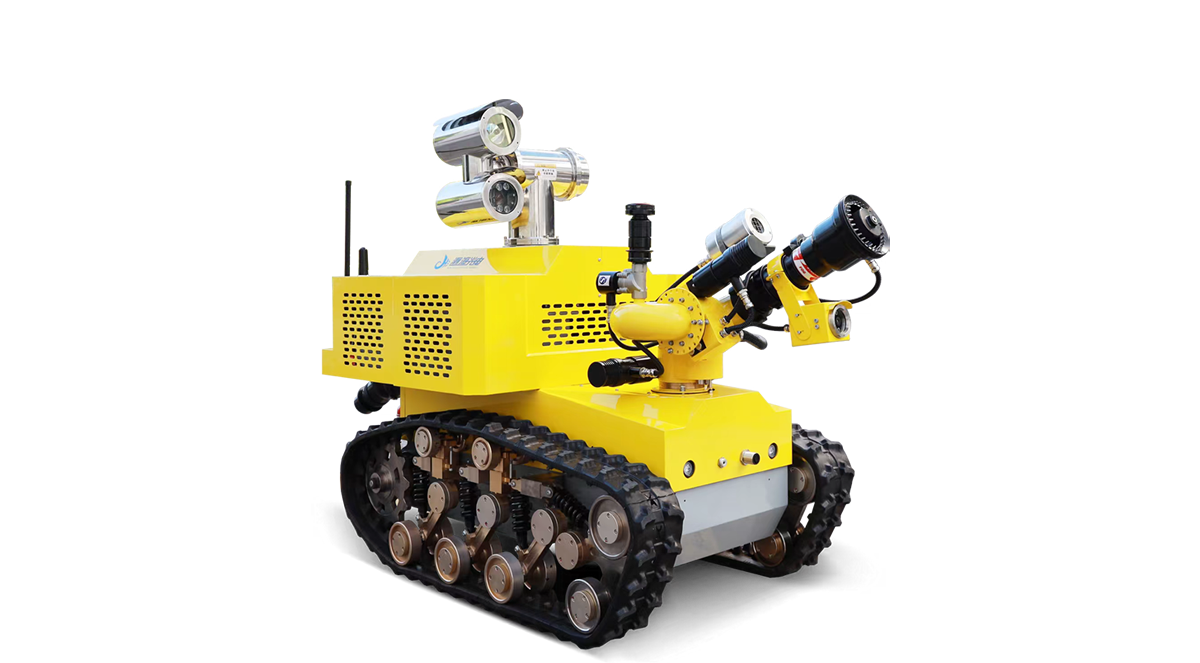
Fire-Fighting Type Laser Detection Robot for Hazardous Gases are intelligent unmanned rescue equipment specially developed for high-risk fire-fighting and emergency scenarios such as fire scenes. They deeply integrate laser spectrum detection technology, intelligent motion control and multi-dimensional environmental perception systems, with the core objectives of replacing personnel in hazardous operations, conducting precise fire-fighting disposal, and realizing efficient risk control and rescue. Equipped with a fire monitor for active fire control and featuring a dual-layer spray high-temperature resistant design, these robots can replace rescue workers to take the lead in entering the extreme core fire areas filled with dense smoke and high temperatures, respond to various fires and fire-fighting emergencies, and provide all-round safety solutions for fire scenarios including chemical fires, urban building fires and confined space fires, thus reshaping the operation mode of fire-fighting and emergency rescue.
The product focuses on core fire-fighting demands, and its key performance is tailored to actual fire-fighting scenarios: Equipped with a fire monitor, it enables remote control for precise water spraying to control fires, lower temperatures and suppress smoke, rapidly containing incipient fires and opening up safe access for subsequent rescue operations. Its exclusive dual-layer spray high-temperature resistant design effectively blocks high-temperature erosion in fire scenes, protects the stable operation of core components, ensures continuous operation of the robot in high-temperature environments, and breaks through the high-temperature resistance limit of human beings. In addition, it is fitted with an advanced TDLAS (Tunable Diode Laser Absorption Spectroscopy) gas detection module, which can accurately monitor various hazardous gases such as methane, carbon monoxide and hydrogen sulfide in and around fire scenes. Featuring fast response and high sensitivity, it precisely captures trace leakage signals and locates hazard sources. It also integrates multi-functional modules including high-definition visual monitoring, fire scene environmental parameter (temperature, humidity, dust, etc.) collection and remote wireless communication, transmitting real-time data on gas concentration, fire scene images and geographical location to provide comprehensive and accurate data support for fire-fighting command and decision-making.
The hardware design is fully adapted to complex fire-fighting working conditions. Adopting a metal-framed crawler structure paired with a high-protection intelligent motion chassis, it boasts strong terrain adaptability, easily coping with complex road conditions such as fire ruins, narrow passages, slope climbing and obstacle surmounting. It is suitable for extreme fire-fighting environments including dense smoke, high temperature and high humidity, allowing it to penetrate high-risk core areas for operations. Equipped with a professional telemetry gimbal capable of radar-style rotating scanning, combined with a high-precision laser gas analyzer, it synchronously detects key parameters such as hazardous gases, dust and temperature in fire scenes. Paired with dual video systems for driving and mobile search as well as Beidou positioning, it achieves all-round situational awareness of fire scenes, assisting fire-fighting and rescue teams in accurate judgment and scientific disposal.
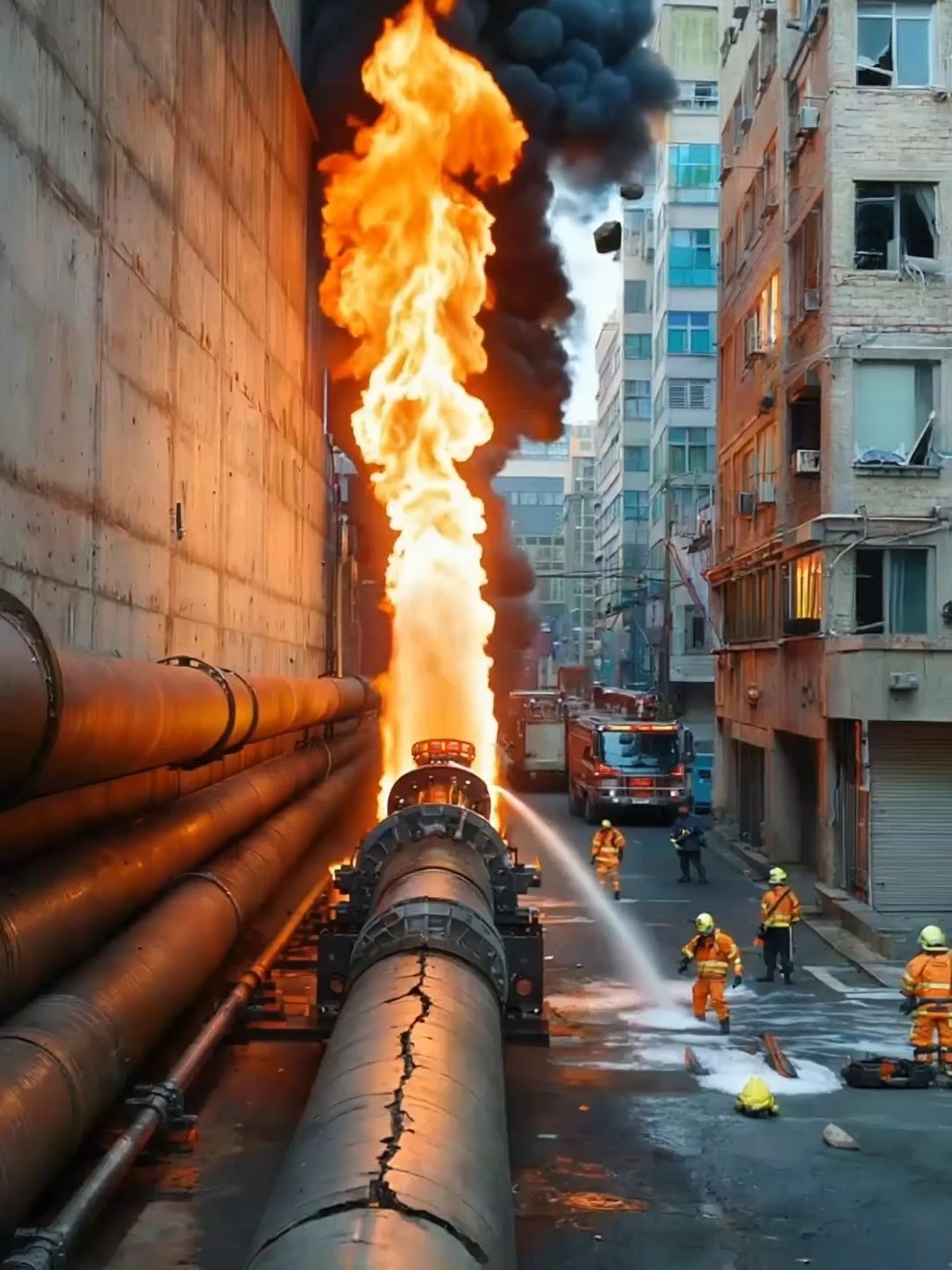
The product strictly complies with safety standards in the fire-fighting and emergency rescue industry, and has passed multiple protection designs and stability tests to ensure sustained and reliable operation in harsh fire environments. It is widely used in various fire scene rescues, chemical park fire disposal, urban gas leakage fire emergencies, underground pipeline fire investigation and other fire-fighting scenarios. As a core intelligent equipment, it improves the response speed of fire-fighting and emergency rescue, reduces casualty risks of rescue workers, and optimizes the scientificity of fire-fighting and rescue decision-making. It provides strong technical support for fire-fighting and emergency rescue teams, helping to achieve the new goal of unmanned rescue and precise fire control in fire-fighting and rescue.

Independent research and development

Active monitoring

Maintenance-free

High sensitivity

No false positives

Zero false negatives

Strong anti-interference
I. Rescue at Building and Urban Fire Scenes
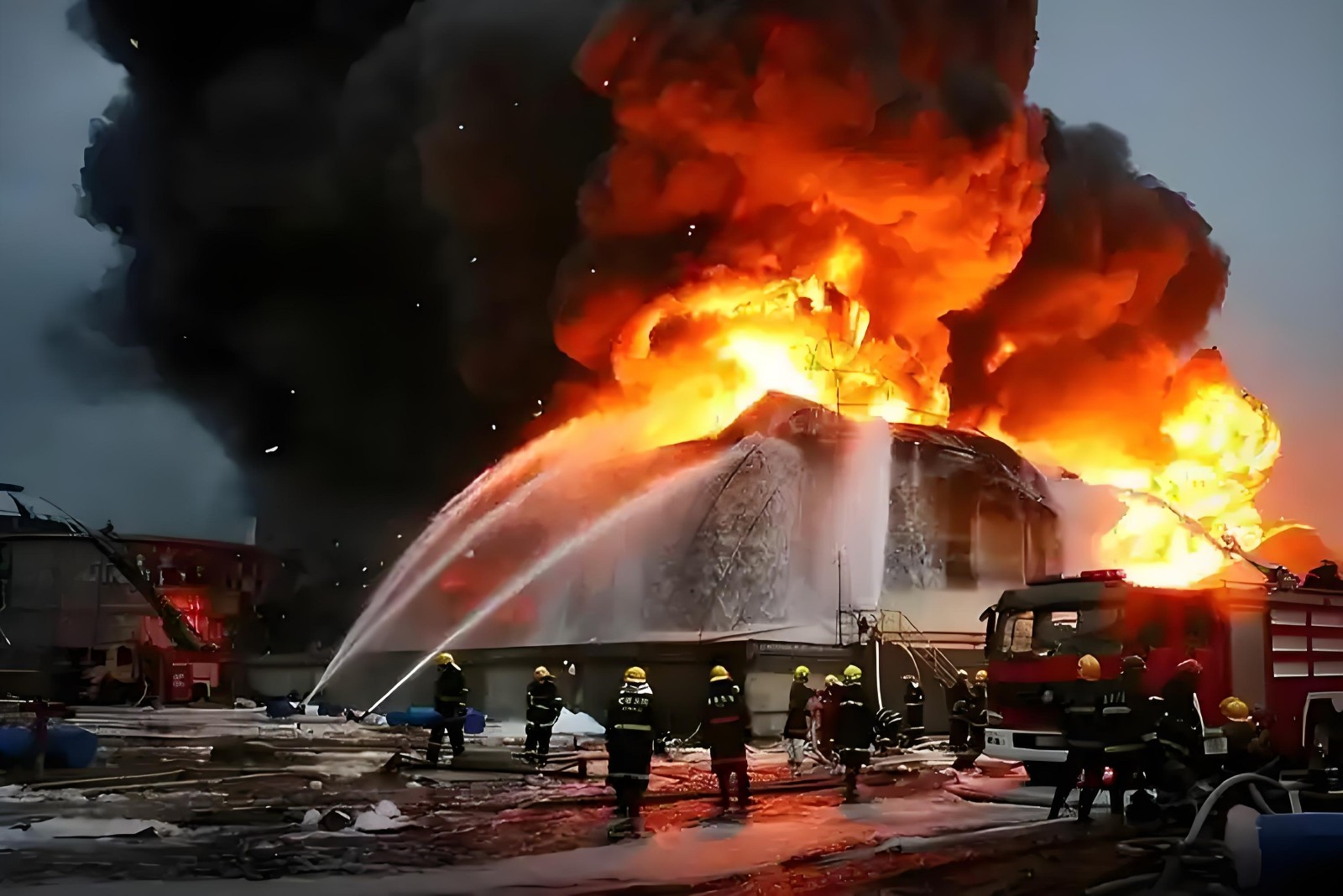
For urban building fires such as residential buildings, office buildings and shopping malls, especially scenarios with fierce fire, dense smoke and extremely low visibility, the robot can take the lead in entering the core area of the fire scene. Its equipped dual-layer spray high-temperature resistant design can effectively resist the high-temperature invasion of the fire scene and protect the stable operation of the machine body components; the equipped fire monitor can be remotely controlled to accurately spray water for cooling, smoke suppression and initial fire suppression, opening up a safe passage for rescuers. At the same time, through high-definition visual monitoring and gas detection modules, the robot transmits real-time data on the internal temperature of the fire scene, the concentration of hazardous gases and on-site images, accurately locates the positions of trapped personnel and fire sources, avoids rescuers from blindly entering dangerous areas, and greatly improves the rescue safety and efficiency of urban building fires.
II. Disposal of Dangerous Situations in Chemical Parks
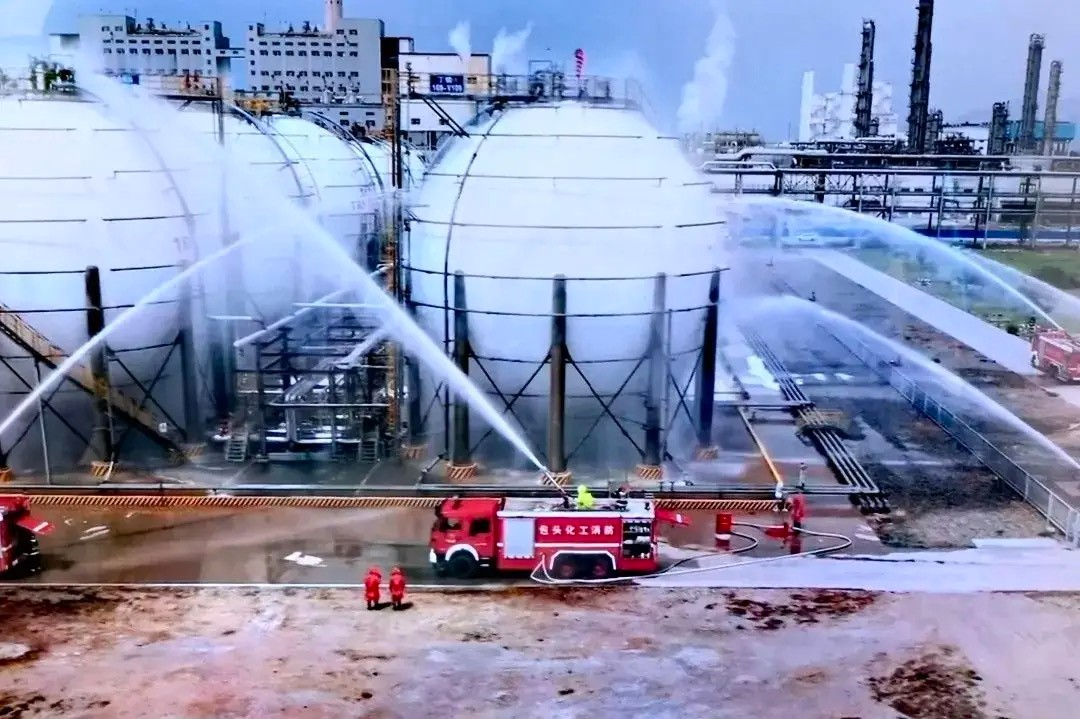
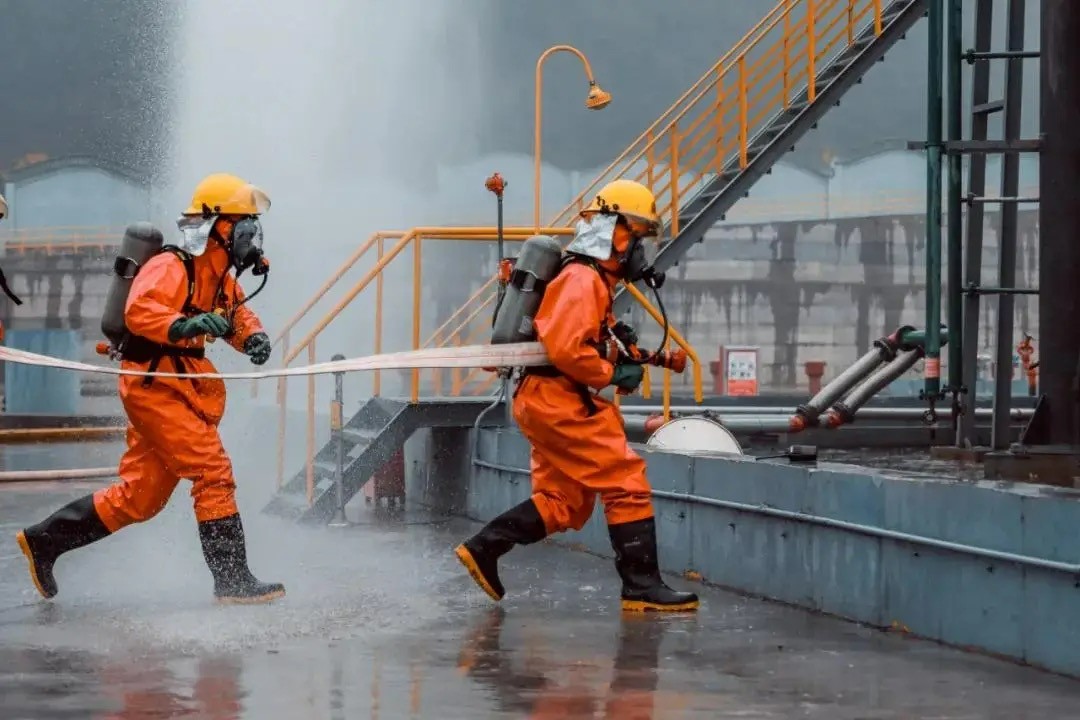
Chemical parks contain a large number of flammable, explosive, toxic and harmful gases, and the disposal of fires and gas leakage accidents is extremely risky, which is one of the core application scenarios of the robot. When a chemical fire or gas leakage occurs, the robot can quickly reach the scene and easily traverse the equipment-dense areas, narrow passages and ruins in the park with its crawler chassis. The dual-layer spray high-temperature resistant design can resist the high-temperature baking of chemical fires and prevent damage to the machine body; the fire monitor can spray water to control the fire in a targeted manner, curb the spread of the fire and avoid secondary explosions. At the same time, its TDLAS (Tunable Diode Laser Absorption Spectroscopy) gas detection module can accurately monitor the concentration of various hazardous gases such as methane, hydrogen sulfide and ethylene, quickly locate the leakage source, and transmit data to the command center in real time, providing accurate basis for rescuers to formulate disposal plans, realizing unmanned dangerous operations throughout the process, and avoiding safety risks such as toxic gas poisoning and explosion.
III. Confined Space Fire and Rescue
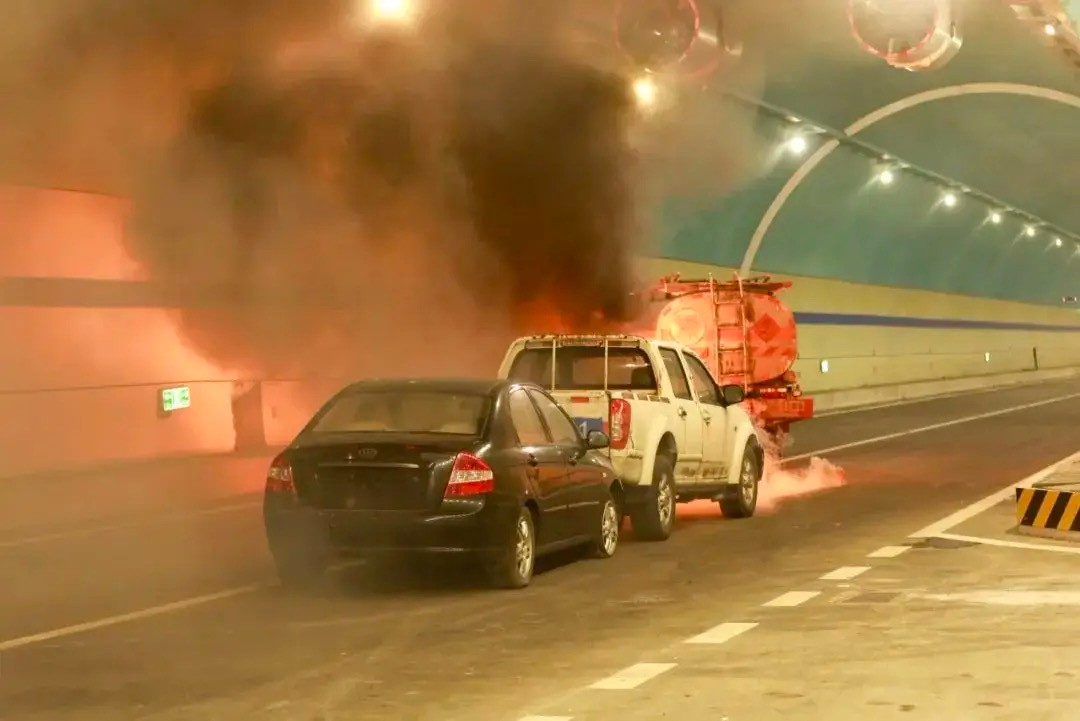
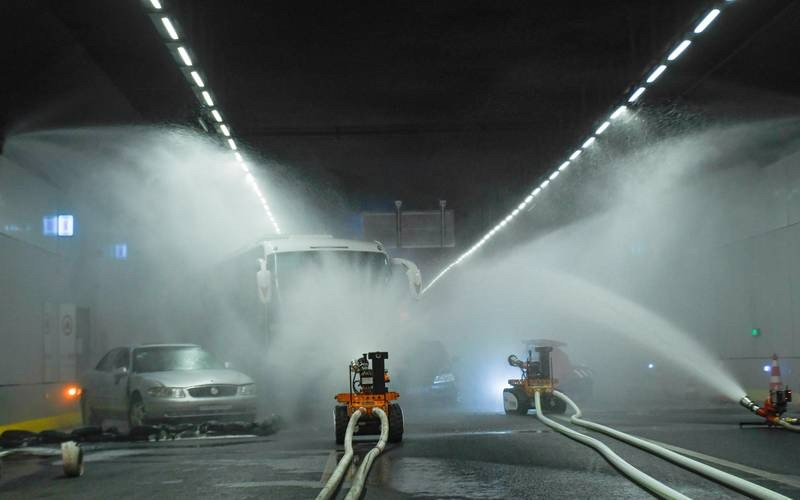
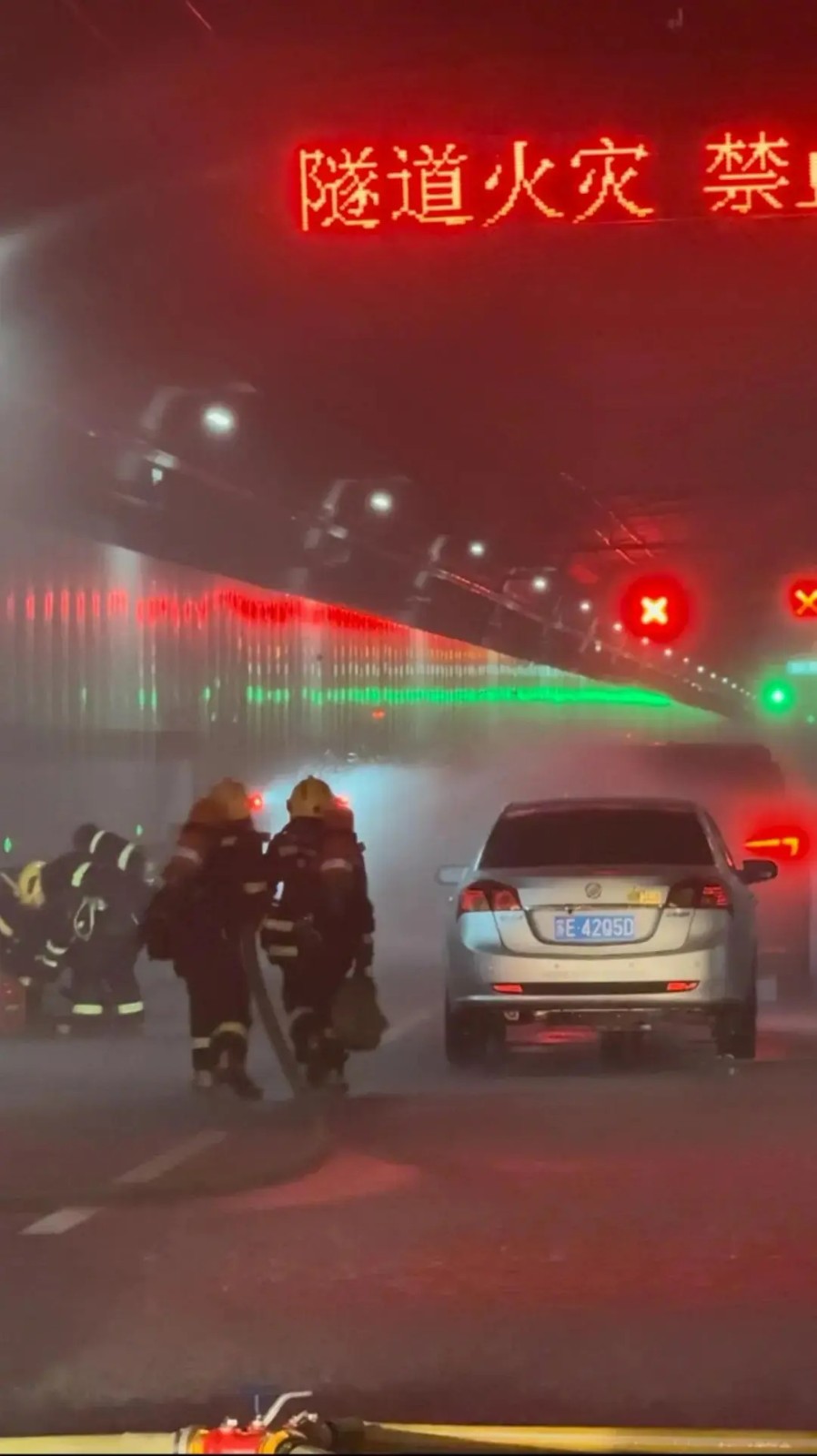
For confined spaces such as underground garages, tunnels, underground pipe networks and mines, fires are prone to form a closed environment with high temperature, high humidity and dense smoke, and poor ventilation. Personnel entering are prone to suffocation, poisoning, scalding and other dangers. The fire-fighting emergency rescue robot can penetrate into the confined space with its compact and flexible crawler structure, and the dual-layer spray system continuously cools down to ensure the robot can work for a long time in the confined and high-temperature environment; the fire monitor can accurately spray water to suppress the fire in the confined space and dilute toxic and harmful gases. At the same time, through the dual video system, Beidou positioning and gas detection function, the robot captures real-time environmental parameters, fire source positions and clues of trapped personnel in the confined space, and transmits them to the command center, providing rescuers with a clear on-site situation, assisting in formulating scientific rescue plans, and minimizing personnel casualties.
IV. Disposal of Urban Gas and Underground Pipe Network Accidents
Aging or damaged urban gas pipelines and underground pipe networks are prone to sudden accidents such as gas leakage and fire. The accident scene is prone to problems such as accumulation of toxic and harmful gases, narrow space and complex terrain. The robot can quickly reach the accident scene without personnel approaching closely, accurately monitor the gas leakage concentration and diffusion range through the gas detection module, and locate the leakage point; the dual-layer spray high-temperature resistant design can deal with small fires caused by leakage and prevent the fire from expanding; the fire monitor can spray water for cooling and isolate the fire source in a targeted manner, avoiding large-scale explosions or fires. At the same time, through the remote communication module, the robot transmits real-time on-site images, gas data, geographical location and other information, helping the command center quickly deploy disposal measures, efficiently complete operations such as leakage plugging and fire control, and ensure urban public safety.
V. Auxiliary Rescue in Special Scenarios
The robot also has strong adaptability to special scenarios such as forest edge fires, abandoned factory fires and oil tank fires. In the scenario of forest edge fires, it can traverse complex terrain with its crawler chassis, the dual-layer spray high-temperature resistant design resists the high temperature in the forest, and the fire monitor suppresses the spread of the fire to prevent the fire from spreading to residential areas; in the scenarios of abandoned factory and oil tank fires, it can penetrate into dangerous areas, accurately detect the concentration of toxic and harmful gases and flammable and explosive substances, and control the fire and cool down through the fire monitor, creating safe conditions for the subsequent disposal of professional rescue teams and realizing the rescue goal of "unmanned first detection and precise disposal".
I. Core Fire Control Function
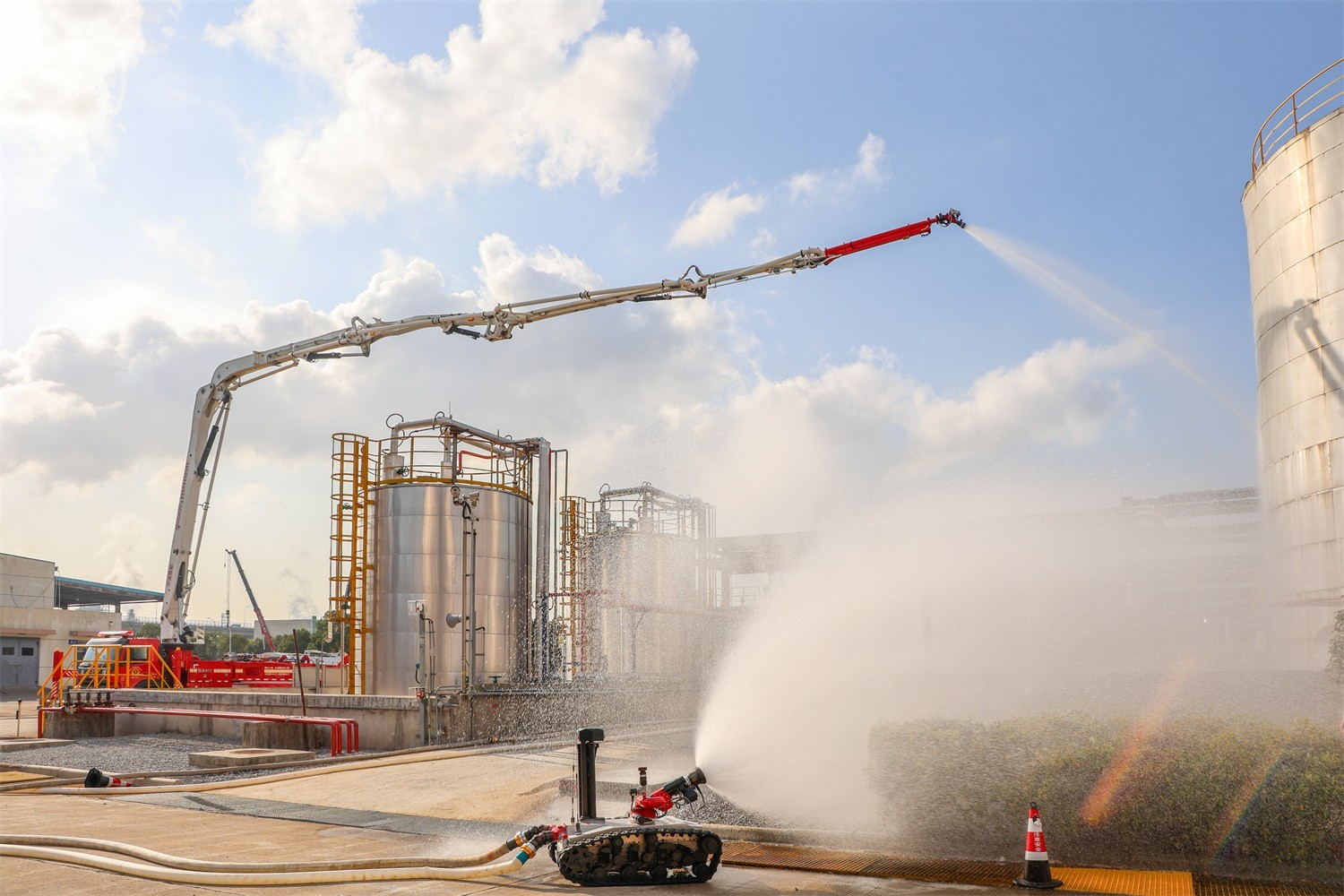
Equipped with a professional fire monitor, it supports remote wireless control, which can accurately realize operations such as water spraying for fire control, temperature reduction, smoke suppression and initial fire suppression. It can specifically meet the fire control needs of different scenarios such as building fires, chemical fires and confined space fires. The spray angle and water volume can be adjusted remotely to quickly curb the spread of fire, open up a safe passage for rescuers, avoid personnel from approaching the fire source at close range, and reduce rescue risks.
II. Dual-Layer Spray High-Temperature Protection Function
The exclusive dual-layer spray high-temperature resistant design is the core guarantee for the robot to adapt to the high-temperature environment of fire scenes. This function can continuously spray water through the dual-layer spray system to form a protective water curtain on the surface of the machine body, effectively blocking the high-temperature invasion of the fire scene, protecting the core components of the machine body (such as detection modules, communication modules, and power systems) from high-temperature damage, ensuring that the robot can work continuously and stably in extreme fire environments such as dense smoke and high temperature, breaking through the high-temperature resistance limit of human beings, and realizing long-term unmanned operation in high-risk areas.
III. Multi-Dimensional Hazardous Environment Detection Function
Equipped with an advanced TDLAS (Tunable Diode Laser Absorption Spectroscopy) gas detection module, it can accurately monitor various hazardous gases such as methane, carbon monoxide, carbon dioxide, ammonia, hydrogen sulfide, ethylene and acetylene. It supports customized expansion of detection types on demand, with fast response and high sensitivity. It can accurately capture trace gas leakage signals and quickly locate hazard sources, avoiding harm to rescuers from toxic and harmful gases. At the same time, it integrates an environmental parameter collection module, which can collect real-time data such as on-site temperature, humidity, dust and noise, comprehensively grasp the environmental situation in and around the fire scene, and provide data support for command and decision-making.
IV. Intelligent Movement and Terrain Adaptation Function
Adopting a metal-framed crawler structure paired with a high-protection intelligent mobile chassis, it has strong terrain adaptability and obstacle-surmounting performance, easily coping with complex road conditions such as fire ruins, narrow passages, slope climbing and obstacle surmounting. It can flexibly shuttle in areas that are difficult for personnel to enter, such as the interior of buildings, gaps between equipment in chemical parks, and underground pipe networks. Equipped with the Beidou positioning system, it can accurately locate itself and the on-site position, ensuring that rescuers can grasp the robot's operation trajectory in real time and avoid the robot being lost in complex scenarios.
V. High-Definition Visualization and Remote Communication Function
Integrated with a high-definition visual monitoring system and dual video systems for driving and mobile search, it can take real-time images of the fire scene and operation site, clearly presenting details such as the location of the fire source, clues of trapped personnel and the on-site environment, breaking the visual limitation of dense smoke and low visibility in the fire scene. Equipped with a remote wireless communication module, it can realize long-distance control and data transmission, transmitting real-time on-site images, gas concentration, environmental parameters, geographical location and other information to the command center, ensuring that command personnel can make accurate remote judgments and scientifically deploy rescue plans, realizing "remote control and unmanned dangerous operations".
VI. Comprehensive On-Site Situation Perception Function
Equipped with a professional telemetry gimbal, it can realize radar-style rotating scanning. Combined with a high-precision laser gas analyzer, it synchronously detects key environmental parameters such as hazardous gases, dust and temperature. Paired with dual video systems and Beidou positioning, it comprehensively grasps the on-site situation without dead ends, accurately identifies the location of fire sources, hazard sources and trapped personnel, provides comprehensive and accurate basis for rescue decision-making, and improves the scientificity and efficiency of rescue disposal.
TEL:400-055-1239 (9:00~17:00)
MAIL:lisghanhai@gkhhlaser.com
ADDR:302 Floor, Building 5, No. 18, Kechuang 13th Street, Beijing Economic and Technological Development Zone