ABOUT
Hanhai Opto-electronic is a major scientific research achievement transformation institution of the Hefei Institute of Physical Science, Chinese Academy of Sciences.


Hanhai Opto-electronic is a major scientific research achievement transformation institution of the Hefei Institute of Physical Science, Chinese Academy of Sciences.

Hanhai Optoelectronics centers on laser absorption spectroscopy-based gas detection (TDLAS)technology, developing and manufacturing a full range of products to deliver comprehensive gas detection solutions for cross-field and multi-industry customers.

Hanhai Optoelectronics' laser gas detection products focus on the monitoring of flammable, explosive, toxic and harmful gases as well as greenhouse gases. Leveraging mature technical solutions and flexible product adaptability, these products can be widel

With over a decade of technical accumulation and recognition from nearly a hundred customers, Hanhai Optoelectronics' laser gas detection products have delivered successful cases covering core scenarios across petrochemicals, urban gas, environmental moni

The company's core technology has been jointly recommended by the Ministry of Emergency Management, the Ministry of Science and Technology, and the Ministry of Industry and Information Technology.

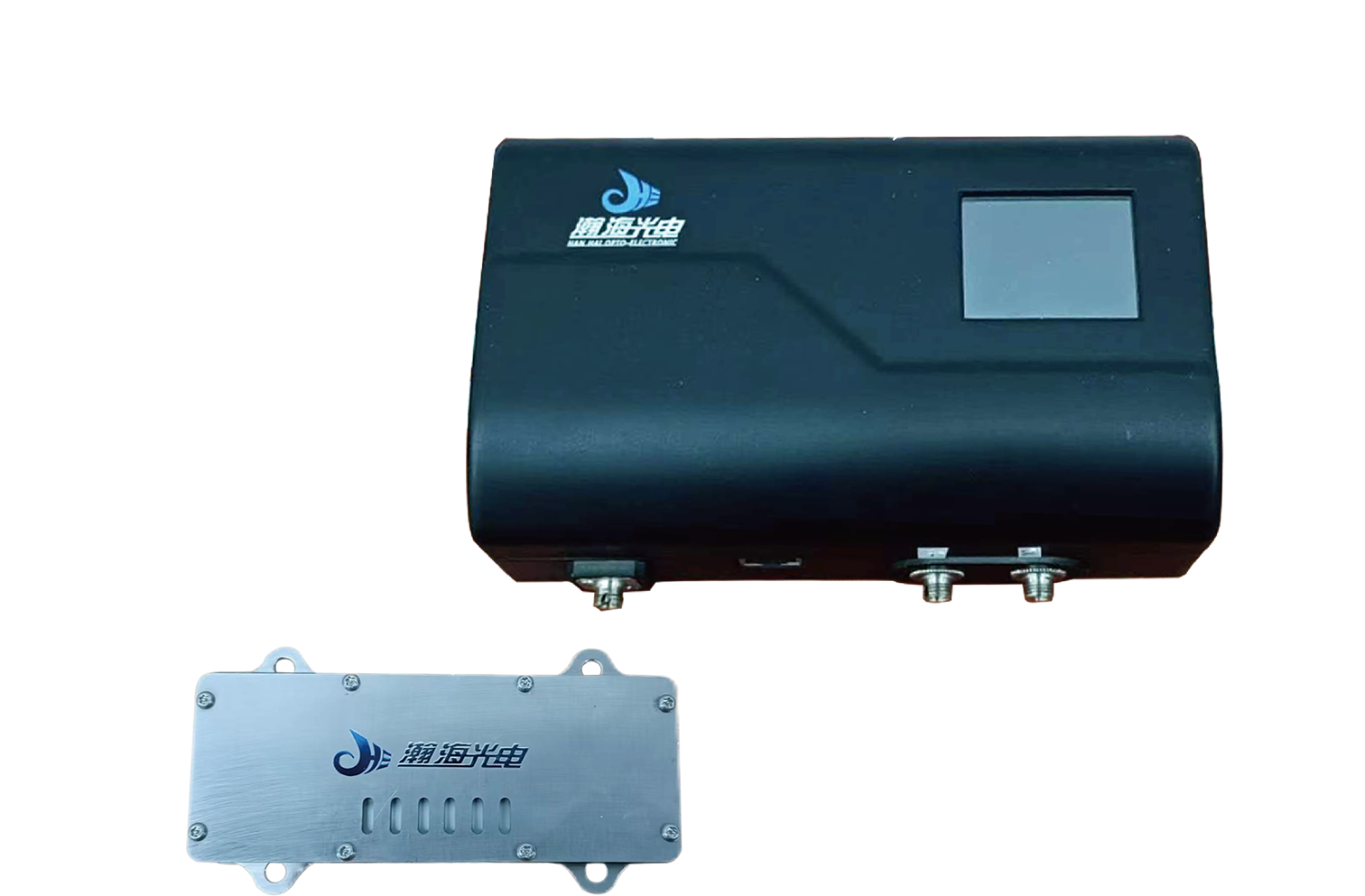
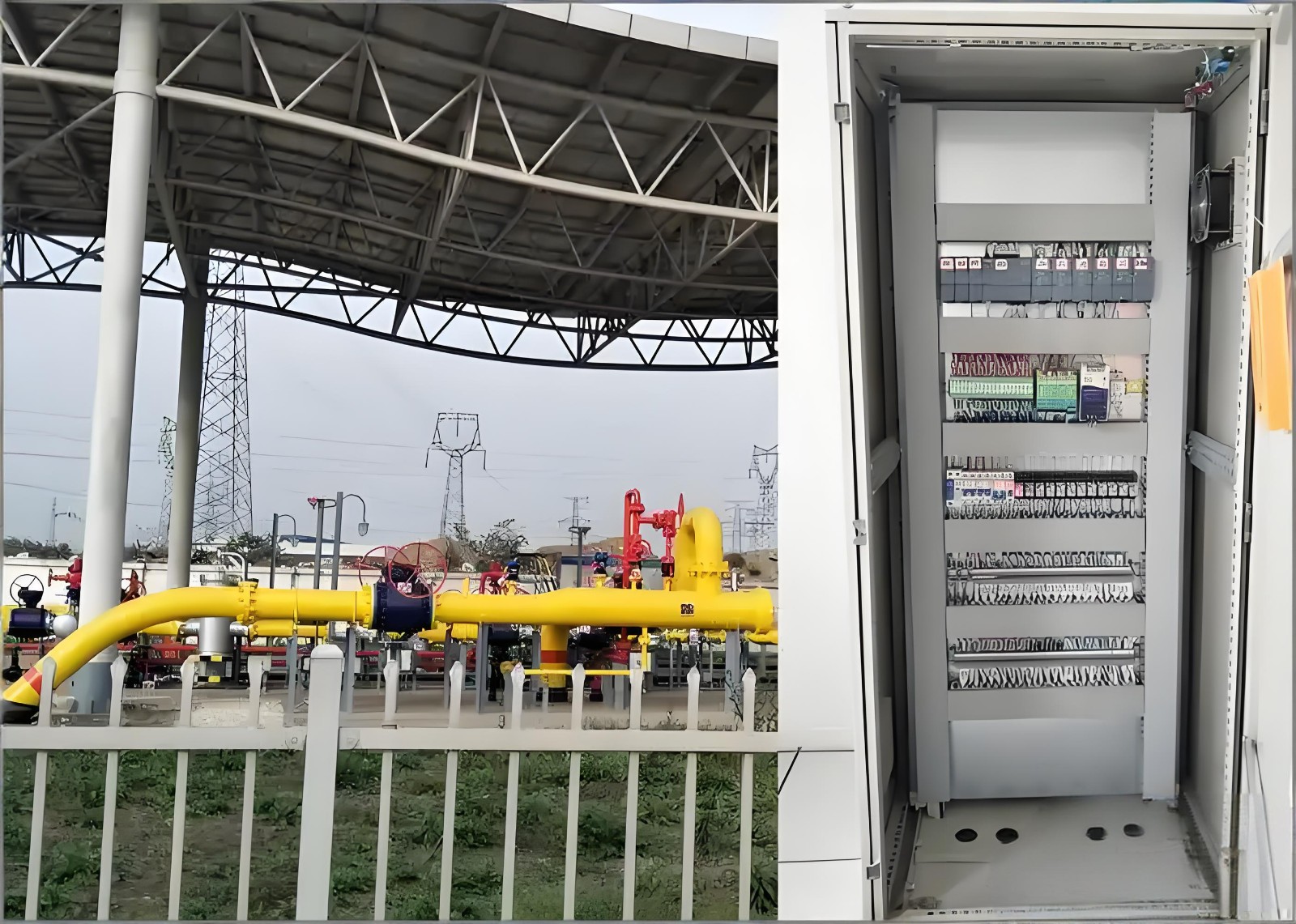
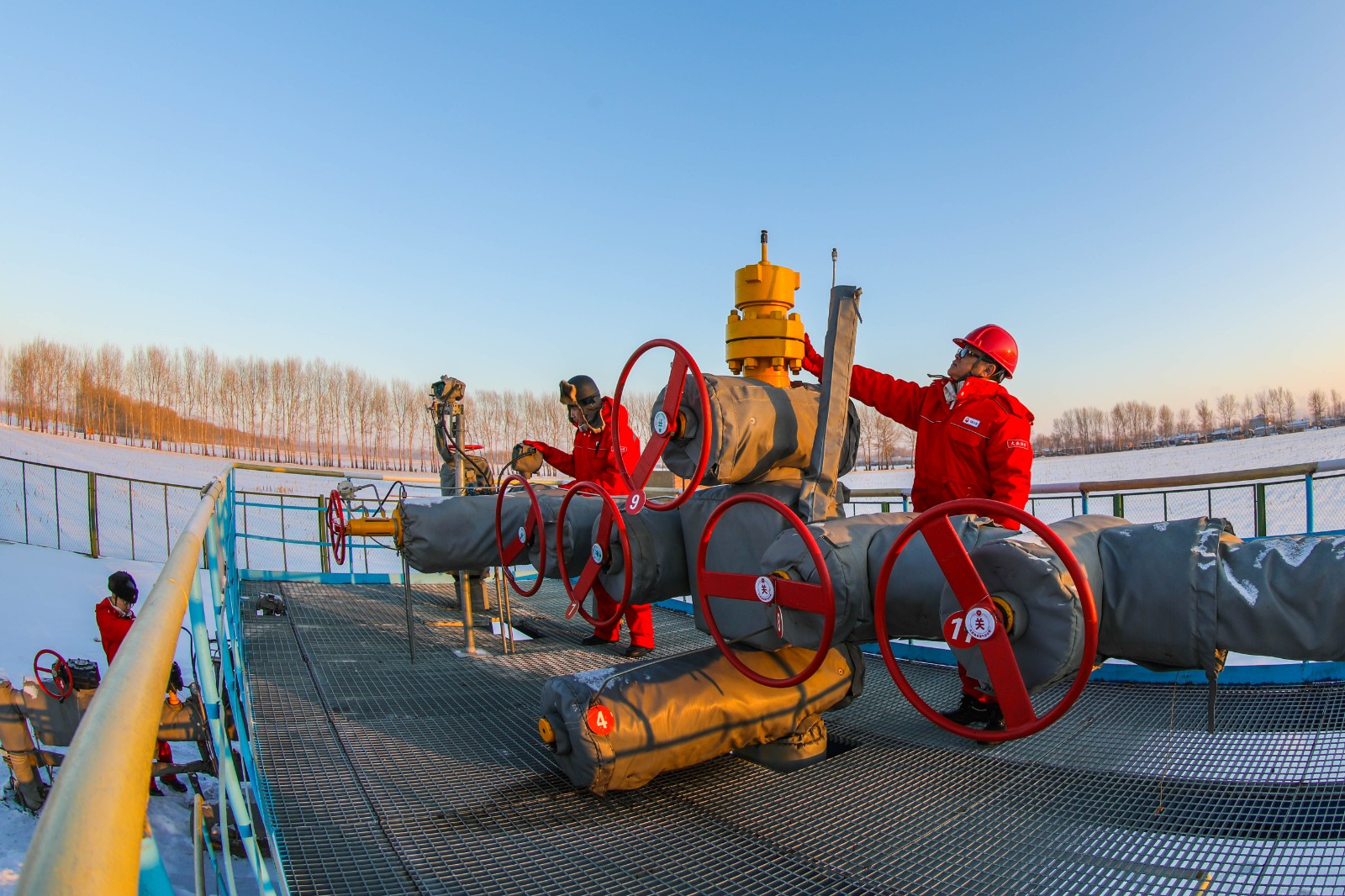
(Methane) Wall-mounted Passive Laser Monitoring System As an industrial-grade high-end monitoring device equipped with Hanhai Optoelectronics' proprietary passive monitoring core technology, it is primarily designed for gas leakage monitoring at buried pipeline insulation joints. Adopting a compact wall-mounted structure, it features easy installation without occupying excessive space, and can be flexibly adapted to various outdoor and on-site installation scenarios. Relying on its core technological advantages, the system achieves highly sensitive and high-precision real-time monitoring of methane gas, capable of accurately capturing leakage signals and responding rapidly. It breaks through the installation scenario limitations of traditional monitoring equipment, providing a full-time, highly reliable methane leakage monitoring solution for multiple scenarios such as buried pipeline insulation joints, gas filling stations, gas terminals, valve well control rooms, and unattended stations.
The system can continuously and stably monitor changes in methane gas concentration in the target area, issue timely early warnings of leakage risks, reserve sufficient emergency response time for staff, effectively avoid safety accidents such as explosions and fires caused by methane leakage, and comprehensively safeguard the safety of equipment and facilities, the surrounding environment, and personnel lives.

Independent research and development

Active monitoring

Maintenance-free

High sensitivity

No false positives

Zero false negatives

Strong anti-interference
1. Monitoring of Buried Pipeline Insulation Joints
Buried Pipelines: A critical node prone to gas leakage at the insulation joints of oil & gas and gas pipelines. It enables precise monitoring to promptly detect leakage hazards and ensure the safety of pipeline transportation.
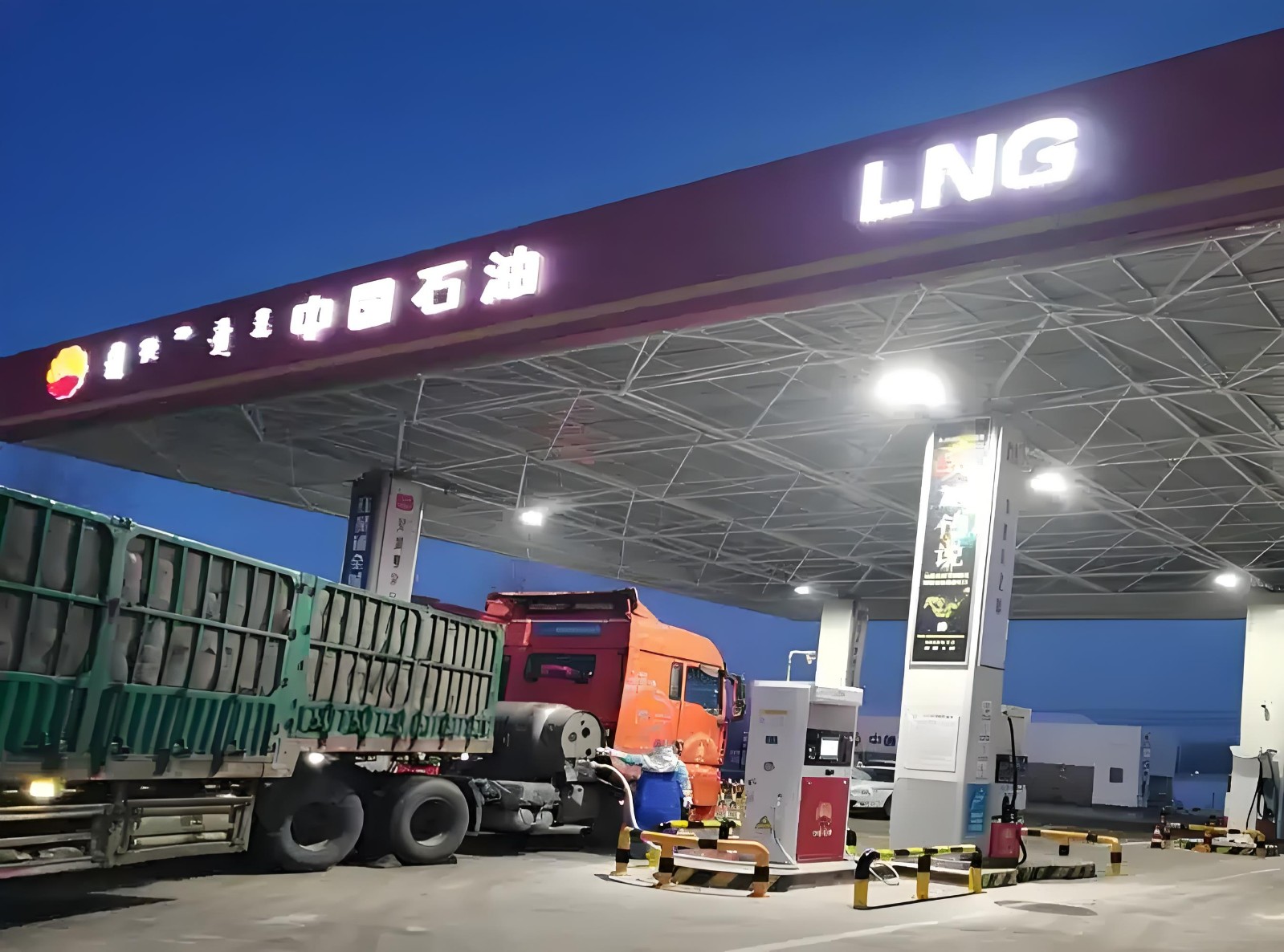
2. Full-scenario Monitoring of Gas Filling Stations
Filling Area: Installed around LNG/LPG filling islands to monitor instantaneous leakage during gas nozzle connection and cylinder filling processes.
Cylinder Storage Area: Deployed near gas cylinder tanks to prevent leakage caused by aging tank seals and valve malfunctions.
Unloading Area: Covers tanker unloading interfaces and pipeline connections to provide real-time early warning of methane emission during unloading operations.
3. Monitoring of Industrial Production Areas
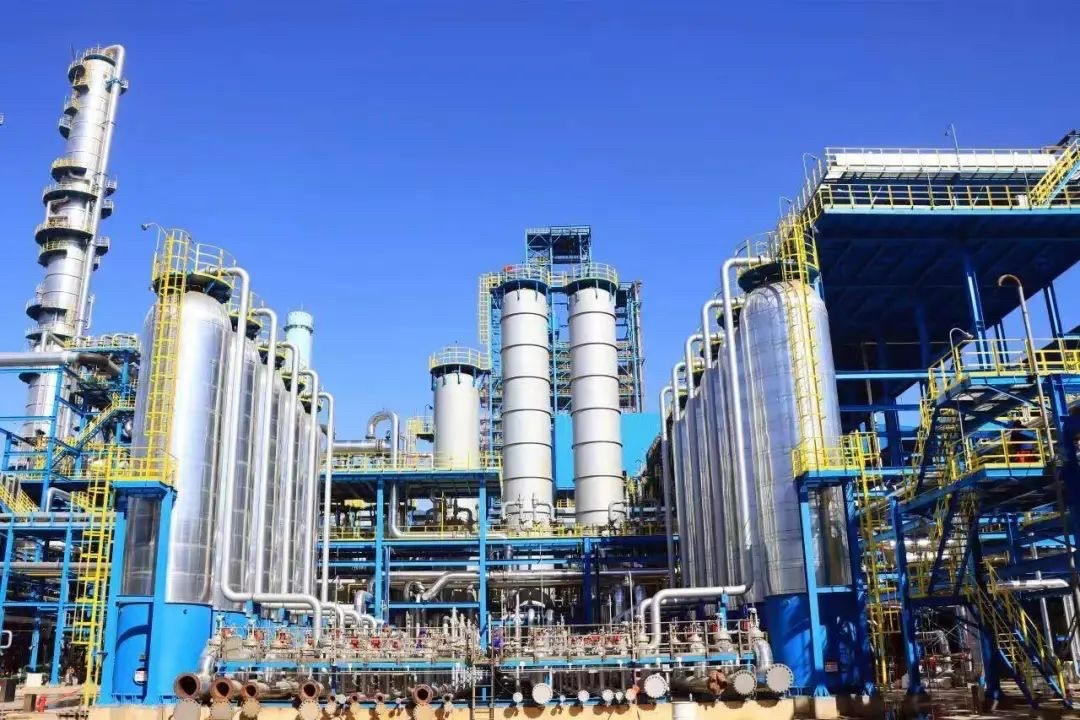
Chemical Parks: Used along production units, tank farms and transmission pipelines where methane serves as raw material or by-product, enabling 24/7 uninterrupted monitoring.
Coal Chemical Enterprises: Deployed around gasification workshops and methane purification units to prevent leakage risks during production processes.
Semiconductor Factories: Targets exhaust ports and pipeline interfaces of methane etching equipment to monitor trace leakage and ensure production safety.
4. Monitoring of Urban Gas Facilities
Gas Pressure Regulating Stations/Valve Rooms: Installed near on-site equipment and inlet-outlet pipeline connections to meet the passive monitoring needs of unattended scenarios.
Residential Communities/Commercial Complexes: Deployed near underground gas pipeline wells and building gas meter boxes to promptly identify indoor and outdoor gas leakage hazards.
Gas-fired Boiler Rooms: Covers boiler combustion systems and gas transmission pipeline interfaces to prevent methane leakage during operation.
5. Transportation-related Monitoring
LNG/LPG Transport Vehicle Parking Lots: Installed around vehicle parking areas to monitor cylinder seal leakage and emission during loading/unloading operations.
Ports/Terminals: Targets LNG ship unloading areas and container gas tank storage zones to achieve stable monitoring under high-humidity and high-salt-spray environments.
Airports: Deployed around aviation kerosene refueling areas and gas-powered equipment to prevent leakage risks of methane-based auxiliary fuels.
6. Environmental Protection Monitoring Scenarios
Landfills: Installed around landfill areas and leachate treatment stations to monitor methane leakage from waste degradation, serving both environmental monitoring and safety early warning purposes.
Sewage Treatment Plants: Deployed along anaerobic digestion tanks and biogas collection pipelines to monitor leakage of biogas (with high methane concentration) and ensure the safety of recycling and utilization.
7. Special Venue Monitoring
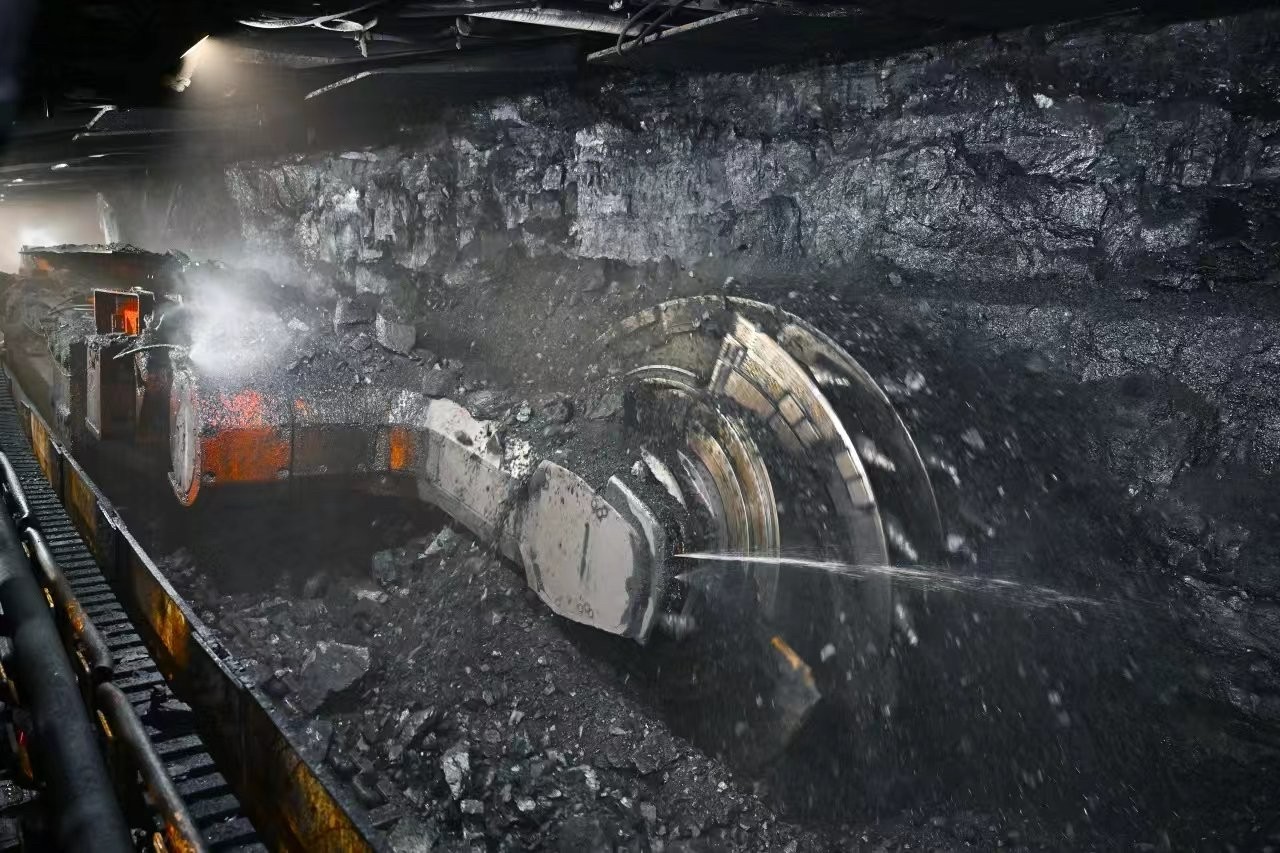
Mines: Used for methane (gas) concentration monitoring in underground coal mines, adapting to power-free and high-dust underground environments to guarantee safe production.
Laboratories/Research Institutions: Targets methane-related experimental equipment and gas storage cabinets to achieve precise monitoring of trace leakage.
Confined Spaces: Such as underground tunnels and gas pipeline maintenance wells, installed at entrances and internal key nodes to monitor methane accumulation risks.
The sensor host integrates laser signal transmission and reception in a compact structure, allowing flexible placement, easier installation and relocation.
Each monitoring channel has a response time of only 10 seconds and can accurately detect ppm-level trace gas leaks, truly achieving preventive gas leakage monitoring.
It is mainly used for underground insulation joints and supports real-time multi-channel transmission and reception (up to 16 channels).
It can monitor the on-site conditions in real time and display the monitoring data.
The optical sensing terminal is a purely optical component with non-loss characteristics, featuring high reliability and no need for calibration.
The ultra-long service life of the entire system significantly reduces the equipment operation costs throughout the life cycle.
TEL:400-055-1239 (9:00~17:00)
MAIL:lisghanhai@gkhhlaser.com
ADDR:302 Floor, Building 5, No. 18, Kechuang 13th Street, Beijing Economic and Technological Development Zone