ABOUT
Hanhai Opto-electronic is a major scientific research achievement transformation institution of the Hefei Institute of Physical Science, Chinese Academy of Sciences.


Hanhai Opto-electronic is a major scientific research achievement transformation institution of the Hefei Institute of Physical Science, Chinese Academy of Sciences.

Hanhai Optoelectronics centers on laser absorption spectroscopy-based gas detection (TDLAS)technology, developing and manufacturing a full range of products to deliver comprehensive gas detection solutions for cross-field and multi-industry customers.

Hanhai Optoelectronics' laser gas detection products focus on the monitoring of flammable, explosive, toxic and harmful gases as well as greenhouse gases. Leveraging mature technical solutions and flexible product adaptability, these products can be widel

With over a decade of technical accumulation and recognition from nearly a hundred customers, Hanhai Optoelectronics' laser gas detection products have delivered successful cases covering core scenarios across petrochemicals, urban gas, environmental moni

The company's core technology has been jointly recommended by the Ministry of Emergency Management, the Ministry of Science and Technology, and the Ministry of Industry and Information Technology.

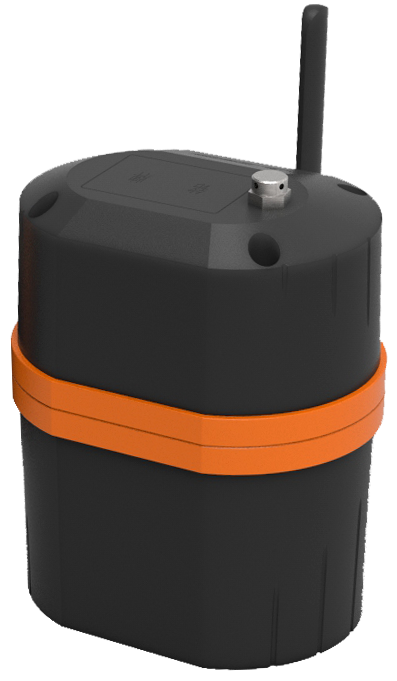
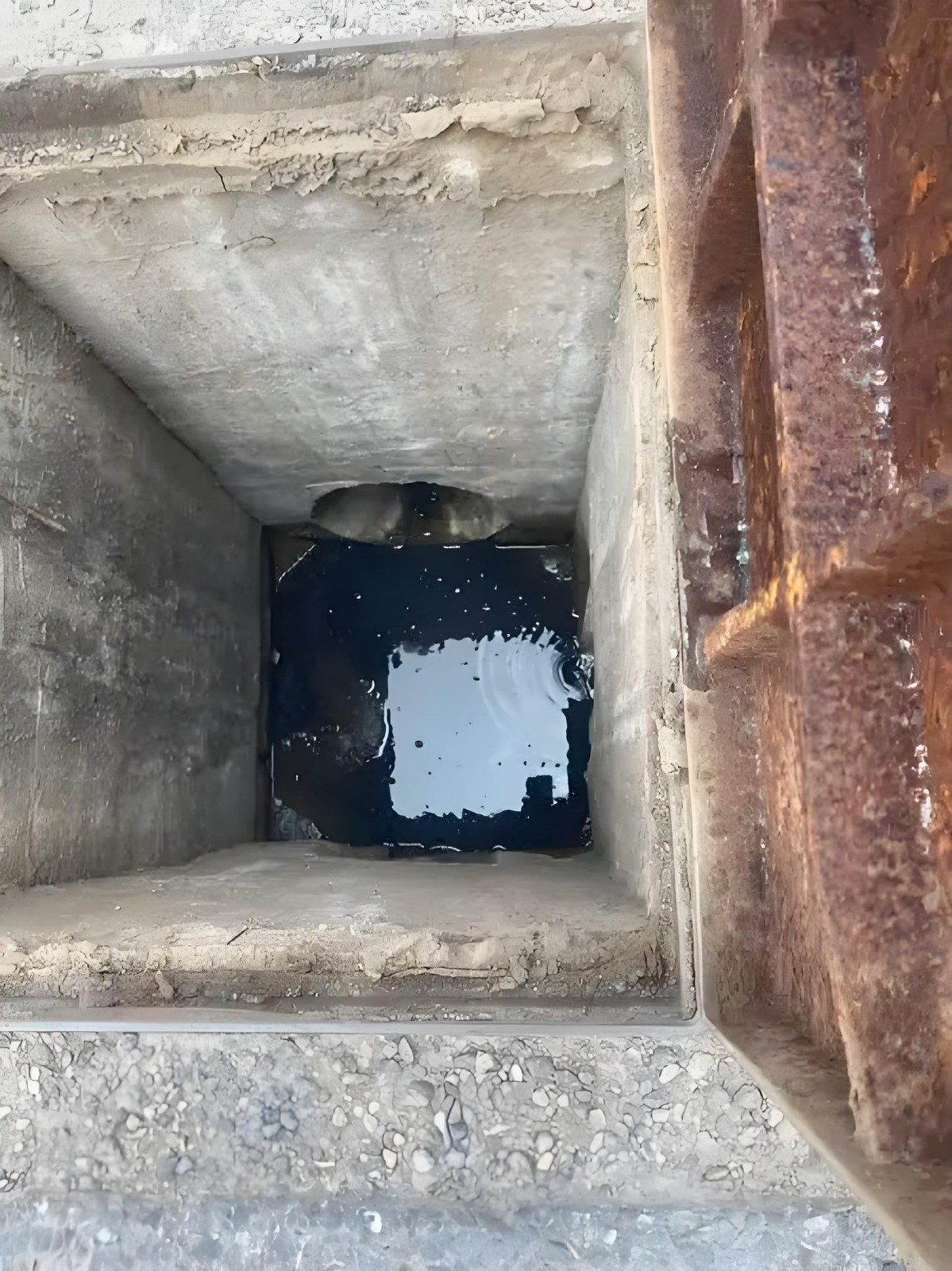
(Methane | Compact) IoT Laser Gas Leak Monitor It is an intelligent monitoring device integrating the core technology of Tunable Diode Laser Absorption Spectroscopy (TDLAS), IoT transmission architecture and miniaturized design, specially developed for methane safety monitoring in space-constrained scenarios. Adopting compact flexibility, high precision & sensitivity, and full-domain interconnection as its core design philosophy, the product breaks through the size limitations of traditional monitoring equipment, providing a lightweight and highly reliable solution for methane leakage monitoring and remote early warning in confined spaces such as urban gas valve chambers, narrow utility tunnels and equipment-dense areas.
In terms of core technologies and performance, it integrates a low-power IoT communication module, which enables real-time upload of detection data and device status to the cloud management platform and supports remote viewing across multiple terminals, satisfying both the miniaturization design and full-domain data interconnection requirements. With a high protection rating, the product features excellent dustproof, waterproof, and high/low temperature resistance performance, allowing long-term stable operation in narrow and enclosed complex environments. Moreover, it can seamlessly connect to the smart management platform of gas enterprises, realizing visual analysis of leakage data and hidden danger traceability. Widely applicable to methane leakage monitoring in scenarios including urban gas valve chambers, narrow utility tunnels and equipment-dense areas, it serves as a core device for filling the gaps in safety monitoring of space-constrained scenarios and improving the overall intelligent prevention and control level of gas safety.

Independent research and development

Active monitoring

Maintenance-free

High sensitivity

No false positives

Zero false negatives

Strong anti-interference
1. Industrial Confined Space Operation and Maintenance
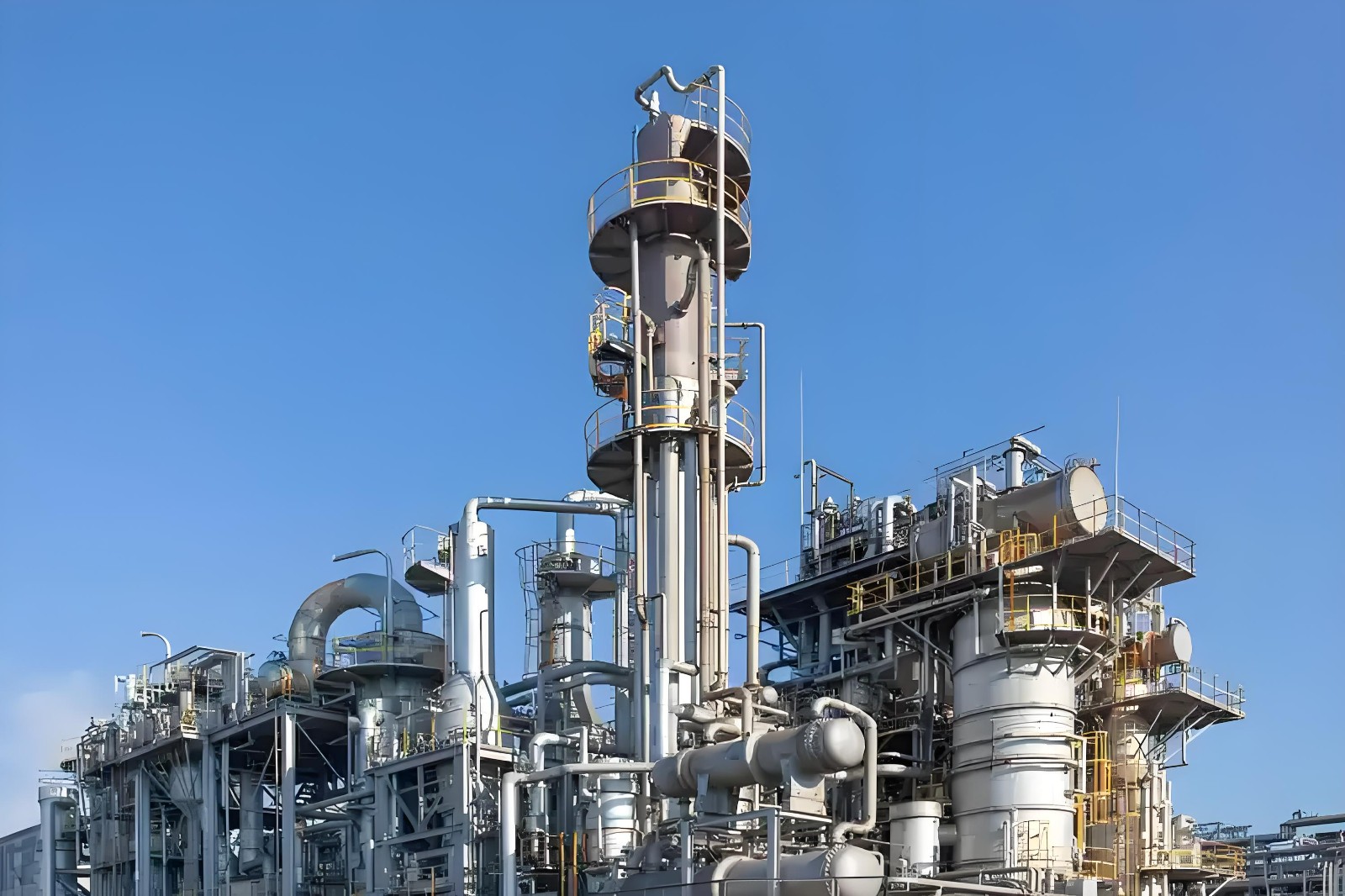
Storage Tank/Reactor Maintenance: Rapid deployment for internal methane concentration detection before the open-lid maintenance of methane storage tanks and reactors in the chemical and oil & gas industries (preventing explosion risks after personnel entry).
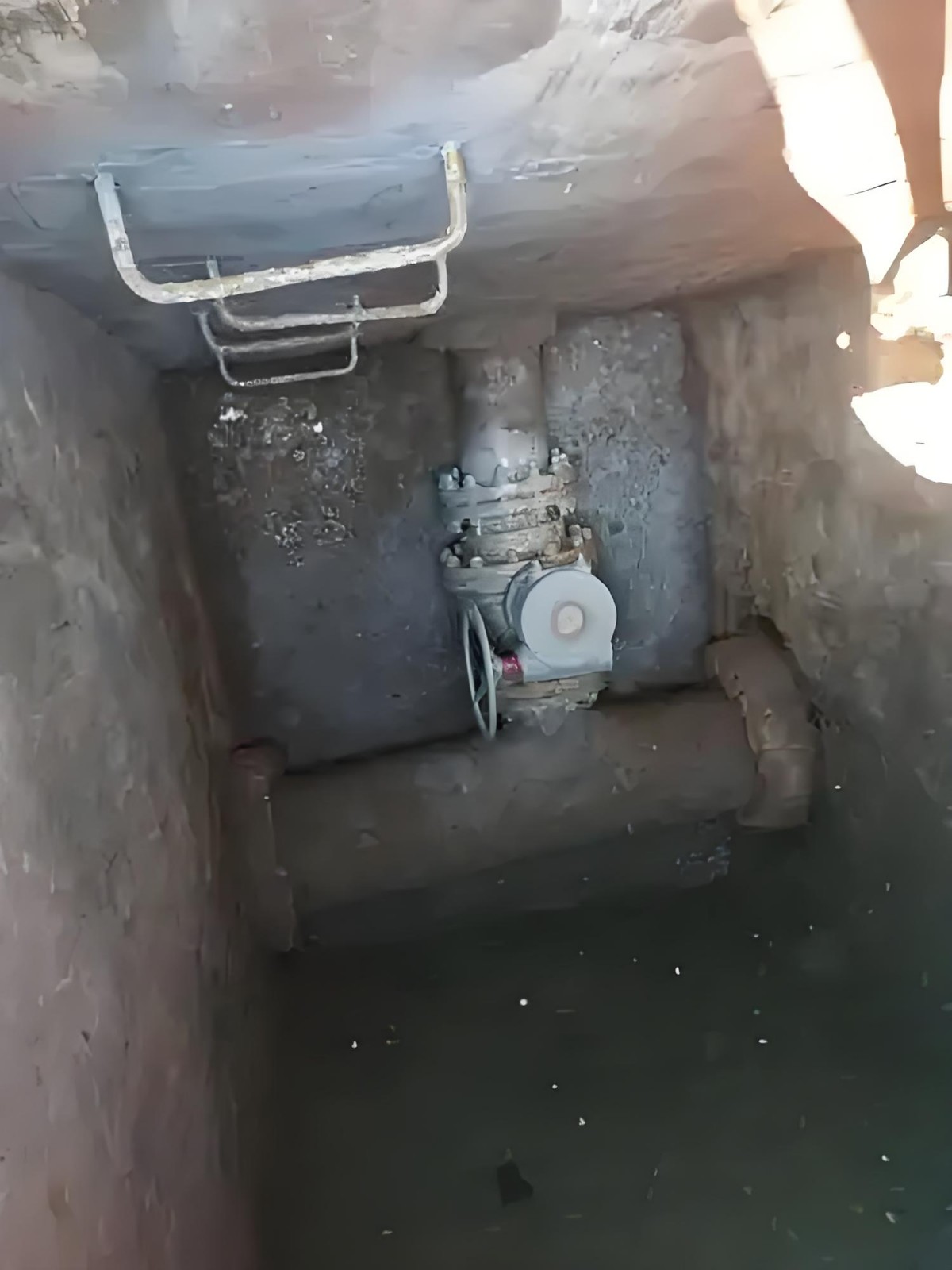
Gas Cabin of Underground Utility Tunnel: Methane leakage monitoring in gas cabins of urban comprehensive utility tunnels and underground gas pipeline tunnels (suitable for narrow, unpowered environments).
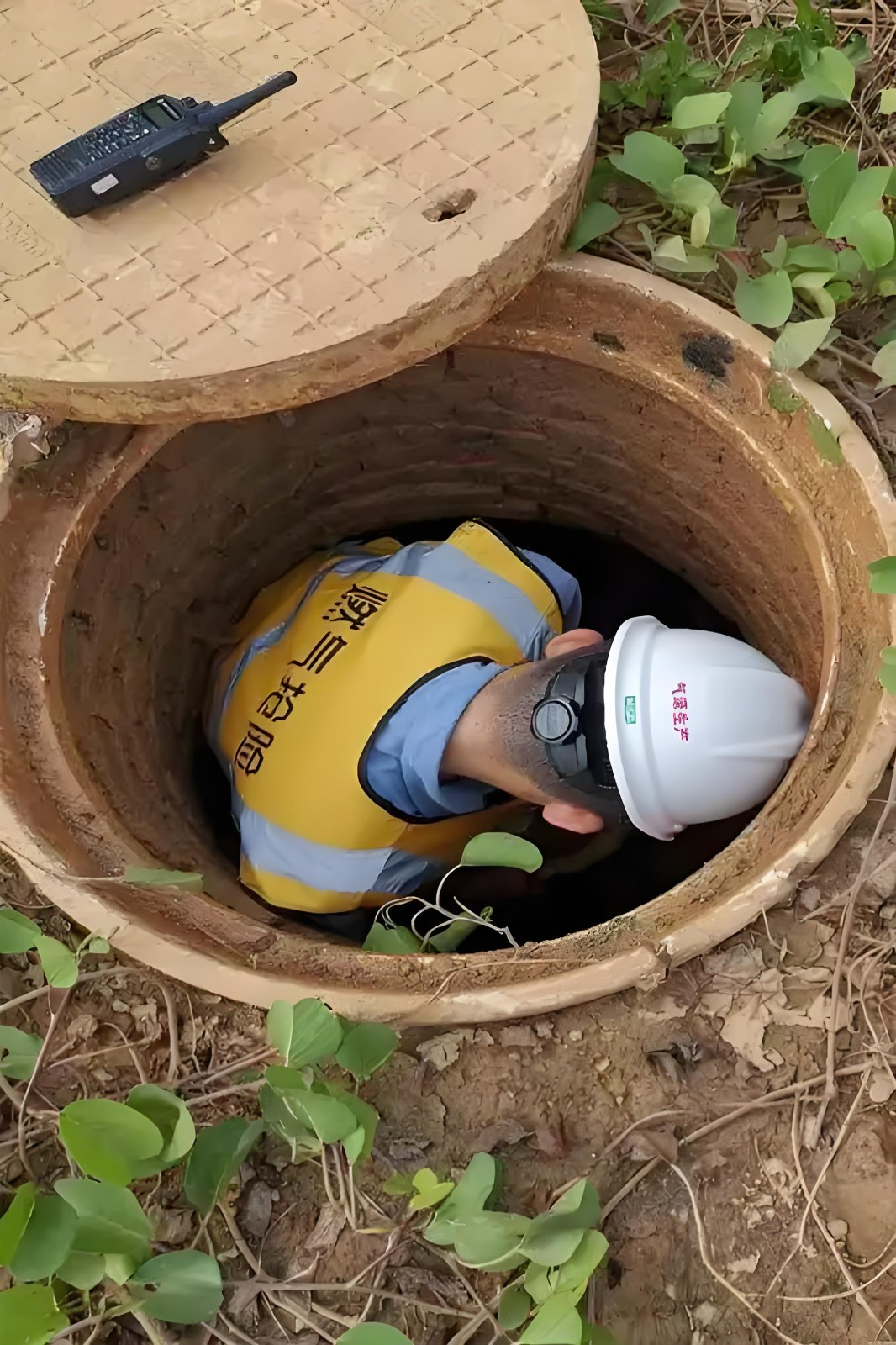
Industrial Cellars/Pits: Regular monitoring of methane accumulation in confined spaces such as underground storage cellars, gas valve wells and cable trenches in chemical parks.
2. Municipal and Urban Infrastructure
Underground Tunnels/Subway Stations: Regular detection of methane leakage in poorly ventilated areas of urban underground tunnels and subway stations (ensuring public safety).
Sewage Wells/Septic Tanks: Detection of methane, a fermentation byproduct prone to accumulation, in confined municipal spaces like sewage wells and septic tanks to prevent poisoning and explosion during personnel operations.
Closed Compartments of Waste Transfer Stations: Monitoring of methane emission and accumulation in closed waste compression compartments and underground storage areas of transfer stations.
3. Energy and Chemical Confined Scenarios
Confined Underground Mine Areas: Monitoring of methane (gas) accumulation in poorly ventilated roadways and goafs of coal mines (ensuring mining safety).
Confined Facilities in Oil and Gas Well Sites: Temporary detection of methane leakage in confined spaces for downhole operations and wellhead protection cabins in oil and gas fields.
Closed Areas of Chemical Workshops: Methane concentration monitoring during maintenance or daily operations in closed production units and raw material storage chambers of pharmaceutical and fine chemical workshops.
Closed Warehouses: Regular leakage monitoring in small chemical raw material warehouses and methane cylinder storage chambers without power supply.
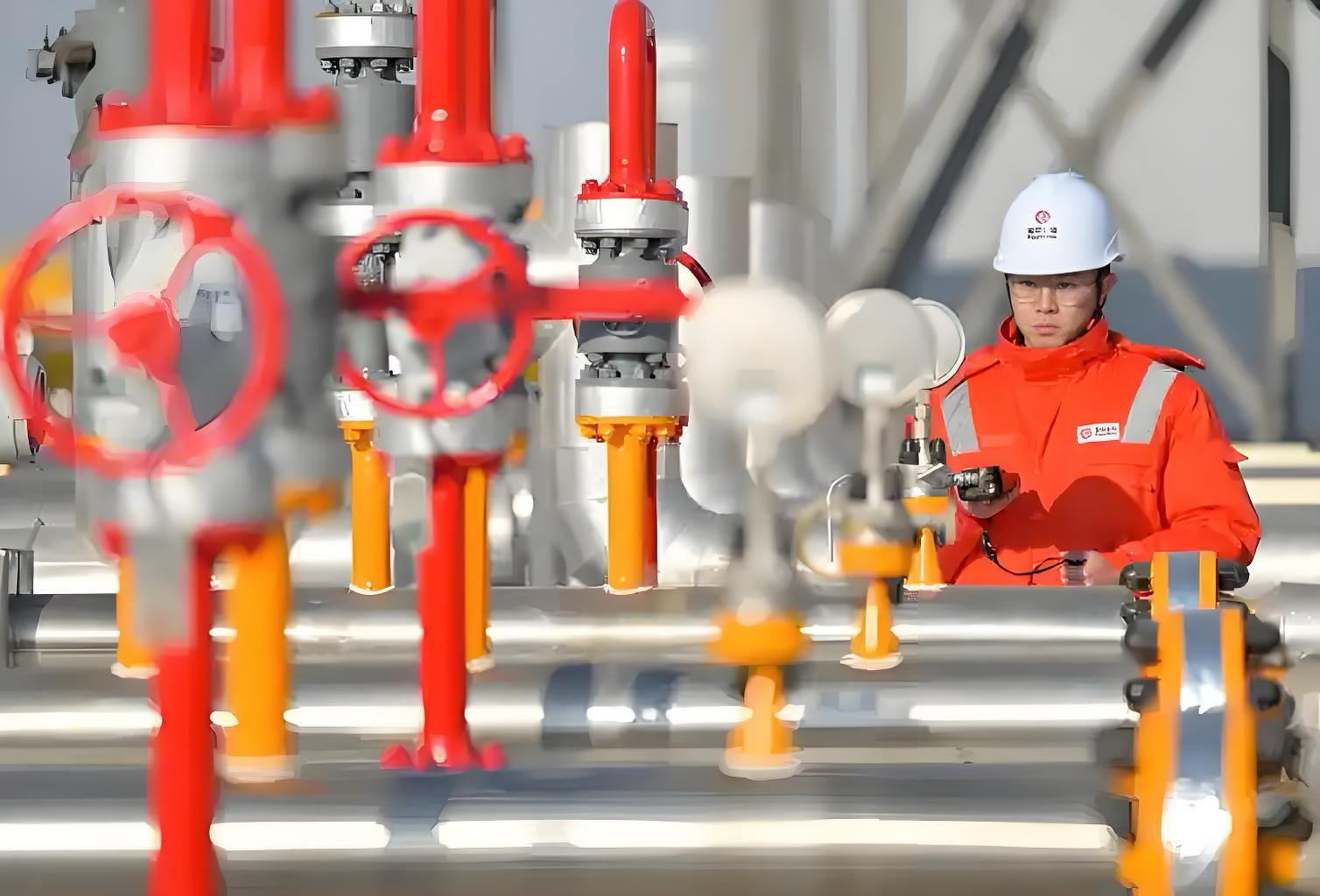
1. Point-Type Precision Laser Detection: Based on TDLAS technology, it specifically targets methane without interference from water vapor, dust, or other gases. It can accurately capture ppm-level trace leaks and stably output methane concentration data at fixed points, ensuring reliable detection performance.
2. Compact Design for Versatile Installation Scenarios: Boasting a small and compact body, it can be easily installed in confined spaces such as valve chambers and regulator cabinets. It meets the fixed-point monitoring needs of underground utility tunnels, small gas filling stations and other venues, with simplified installation and maintenance procedures.
3. IoT-Enabled Remote Management: Supporting wireless connectivity such as 4G or NB-IoT, it can upload fixed-point monitoring data to the cloud platform in real time. It allows geographic tagging of leak points, and the data can be exported in multiple formats to facilitate subsequent traceability and analysis.
4. Multi-Mode Intelligent Alarm: When the methane concentration at the monitoring point exceeds the threshold, it triggers audible and visual alarms. The alarm threshold is adjustable to adapt to the safety standards of different scenarios, and it can also link with the cloud platform to push alarm notifications, enabling timely early warning even under unattended conditions.
5. Durable Construction for Harsh Working Conditions: It features a high protection rating and explosion-proof certification, withstanding harsh environments such as extreme temperatures and humidity. The low-power design combined with long-lasting batteries satisfies the endurance requirements for long-term outdoor fixed-point monitoring.
TEL:400-055-1239 (9:00~17:00)
MAIL:lisghanhai@gkhhlaser.com
ADDR:302 Floor, Building 5, No. 18, Kechuang 13th Street, Beijing Economic and Technological Development Zone