ABOUT
Hanhai Opto-electronic is a major scientific research achievement transformation institution of the Hefei Institute of Physical Science, Chinese Academy of Sciences.


Hanhai Opto-electronic is a major scientific research achievement transformation institution of the Hefei Institute of Physical Science, Chinese Academy of Sciences.

Hanhai Optoelectronics centers on laser absorption spectroscopy-based gas detection (TDLAS)technology, developing and manufacturing a full range of products to deliver comprehensive gas detection solutions for cross-field and multi-industry customers.

Hanhai Optoelectronics' laser gas detection products focus on the monitoring of flammable, explosive, toxic and harmful gases as well as greenhouse gases. Leveraging mature technical solutions and flexible product adaptability, these products can be widel

With over a decade of technical accumulation and recognition from nearly a hundred customers, Hanhai Optoelectronics' laser gas detection products have delivered successful cases covering core scenarios across petrochemicals, urban gas, environmental moni

The company's core technology has been jointly recommended by the Ministry of Emergency Management, the Ministry of Science and Technology, and the Ministry of Industry and Information Technology.

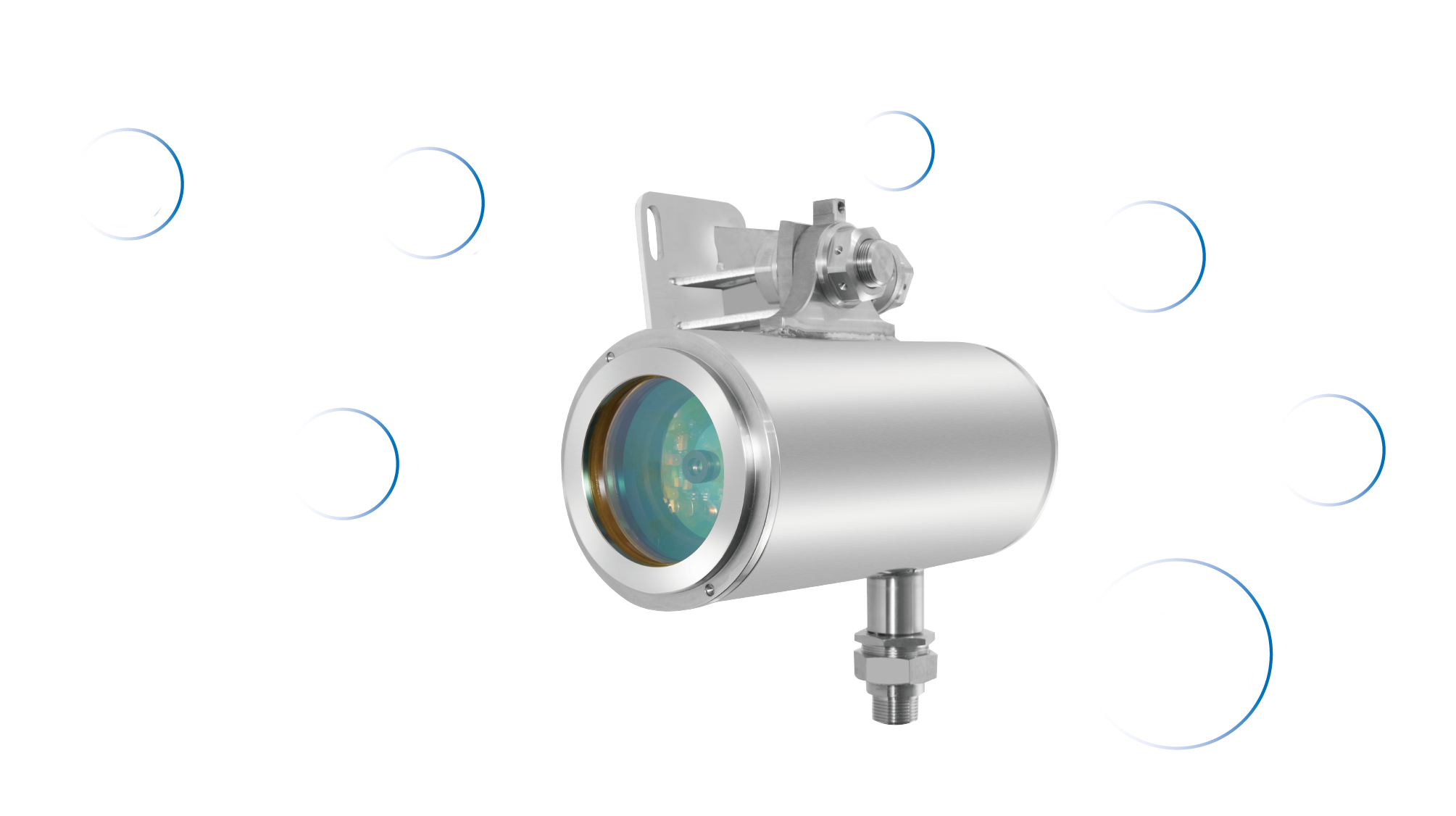
(Carbon Dioxide) Fixed Reflection Laser Gas Telemeter This is an industrial-grade high-precision monitoring device integrating the core technology of Tunable Diode Laser Absorption Spectroscopy (TDLAS) and the principle of reflection-based monitoring, specially designed for the scenario of targeted and focused carbon dioxide monitoring. With the core design concept of "directional precision, high-sensitivity detection and stable operation", the product is engineered specifically for carbon dioxide concentration measurement and leak monitoring. It provides an all-weather, highly reliable solution for concentration monitoring and leak early warning for sectors involving the production, storage and emission of carbon dioxide, such as petrochemicals, electric power and energy, environmental protection and governance, and warehousing and logistics.
Adopting a fixed reflection monitoring architecture, the device forms a stable monitoring optical path through laser beam reflection by matching dedicated weather-resistant reflection targets. It enables directional and focused monitoring of specific pipeline sections, equipment nodes, confined spaces or emission outlets. The detection distance can be flexibly adjusted according to on-site scenarios, featuring fast response speed and high data stability. It can feed back concentration data in real time to ensure early detection and disposal of potential hazards. The product is widely applicable to scenarios including carbon dioxide emission monitoring, storage tank farm leak detection and workshop gas accumulation early warning, providing accurate and reliable data support for enterprises' safe production and environmental management. The device supports remote data transmission and can seamlessly connect to industrial control systems, helping users achieve centralized management and analysis of monitoring data.

Independent research and development

Active monitoring

Maintenance-free

High sensitivity

No false positives

Zero false negatives

Strong anti-interference
1. Industrial Production and Emission Monitoring
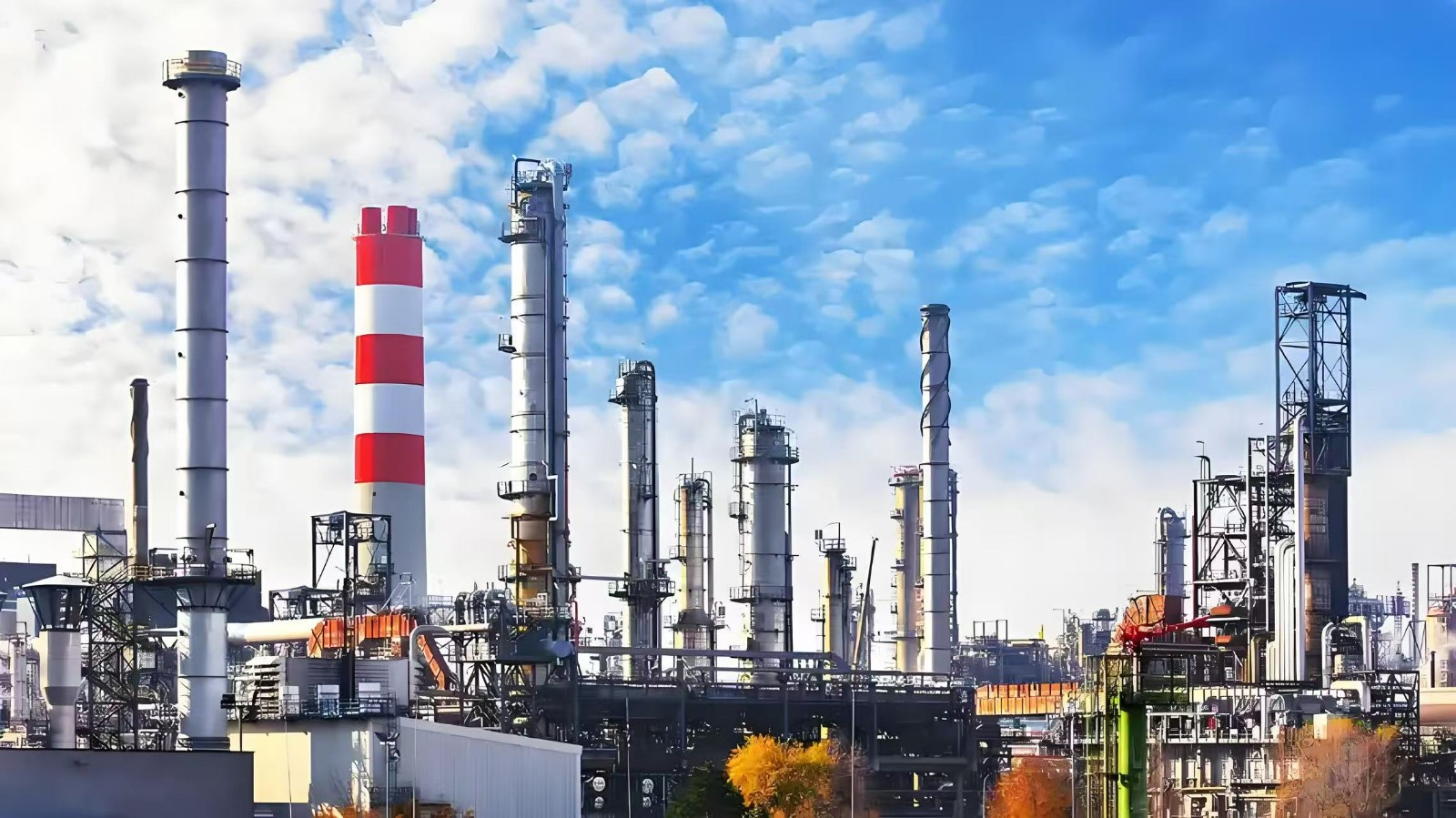
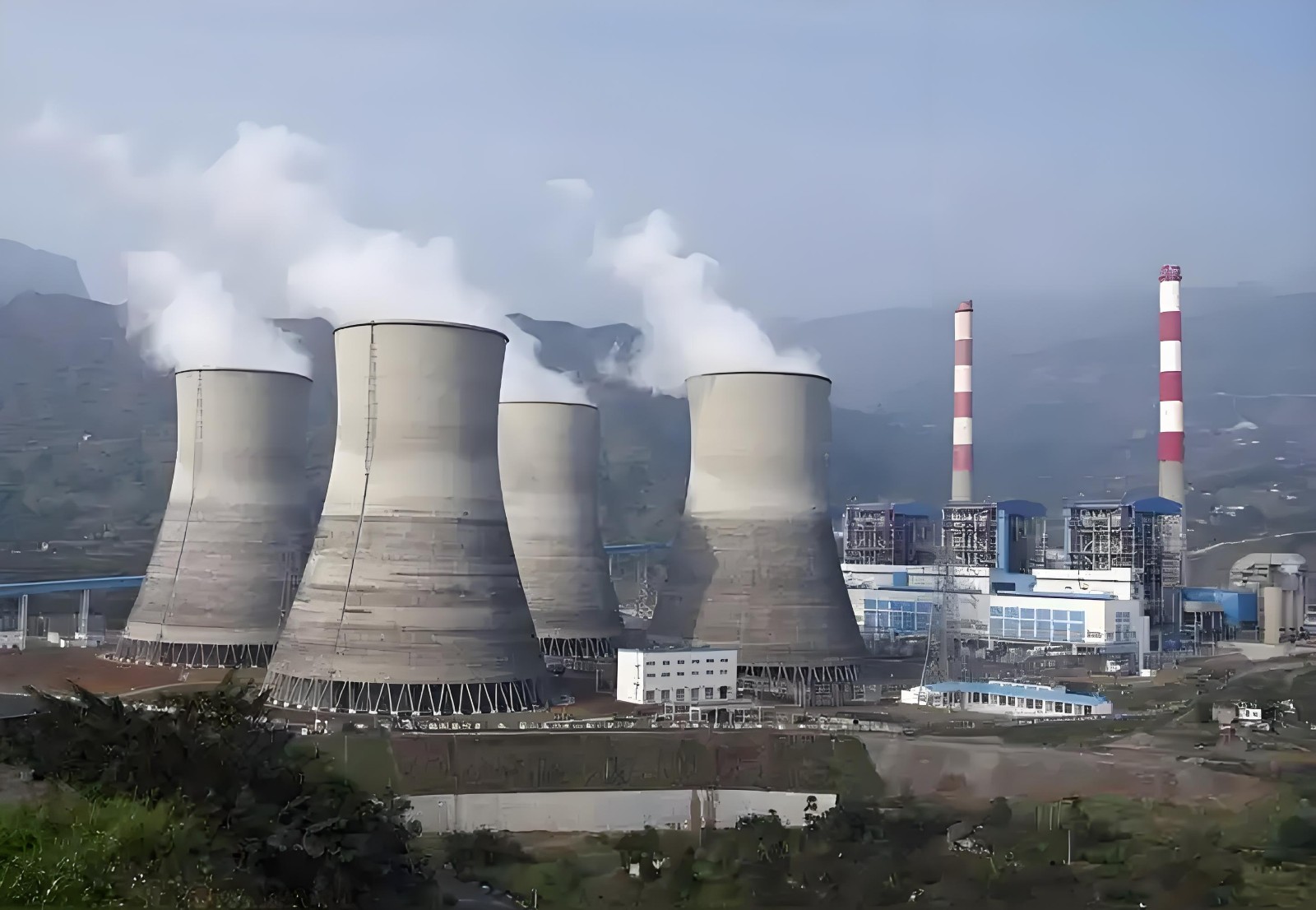
Energy and Power: Real-time monitoring of flue gas CO₂ emissions from coal-fired/gas-fired power plants and biomass power plants (meeting the requirements for carbon neutrality accounting).
Chemical Industry: Monitoring of CO₂ emissions from high-temperature processes such as cement, steel and glass production, as well as process leak detection in ammonia and methanol synthesis.
Food Processing: Monitoring of CO₂ injection processes and leak early warning in beer brewing and carbonated beverage production.
2. Environmental and Ecological Monitoring
Urban Air Quality: Tracing the source of CO₂ diffusion around industrial parks and transportation hubs (supporting pollution prevention and control).
Agricultural Ecology: Long-distance monitoring of CO₂ concentrations in greenhouses (guiding the optimization of crop photosynthesis), and observation of CO₂ emission fluxes in rice fields/wetlands (supporting carbon sink assessment).
Confined Space Environment: Real-time monitoring of CO₂ concentrations in underground tunnels, subway stations and large venues (ensuring precise regulation of ventilation systems).
3. Warehousing and Cold Chain Logistics
Fruit and Vegetable Fresh-keeping Warehouses: Long-distance monitoring of CO₂ concentrations in controlled atmosphere fresh-keeping environments (delaying fruit and vegetable spoilage and avoiding contamination from contact sensors).
Dry Ice Storage and Transportation: CO₂ leak early warning in dry ice warehouses and cold chain logistics carriages (preventing personnel suffocation risks).
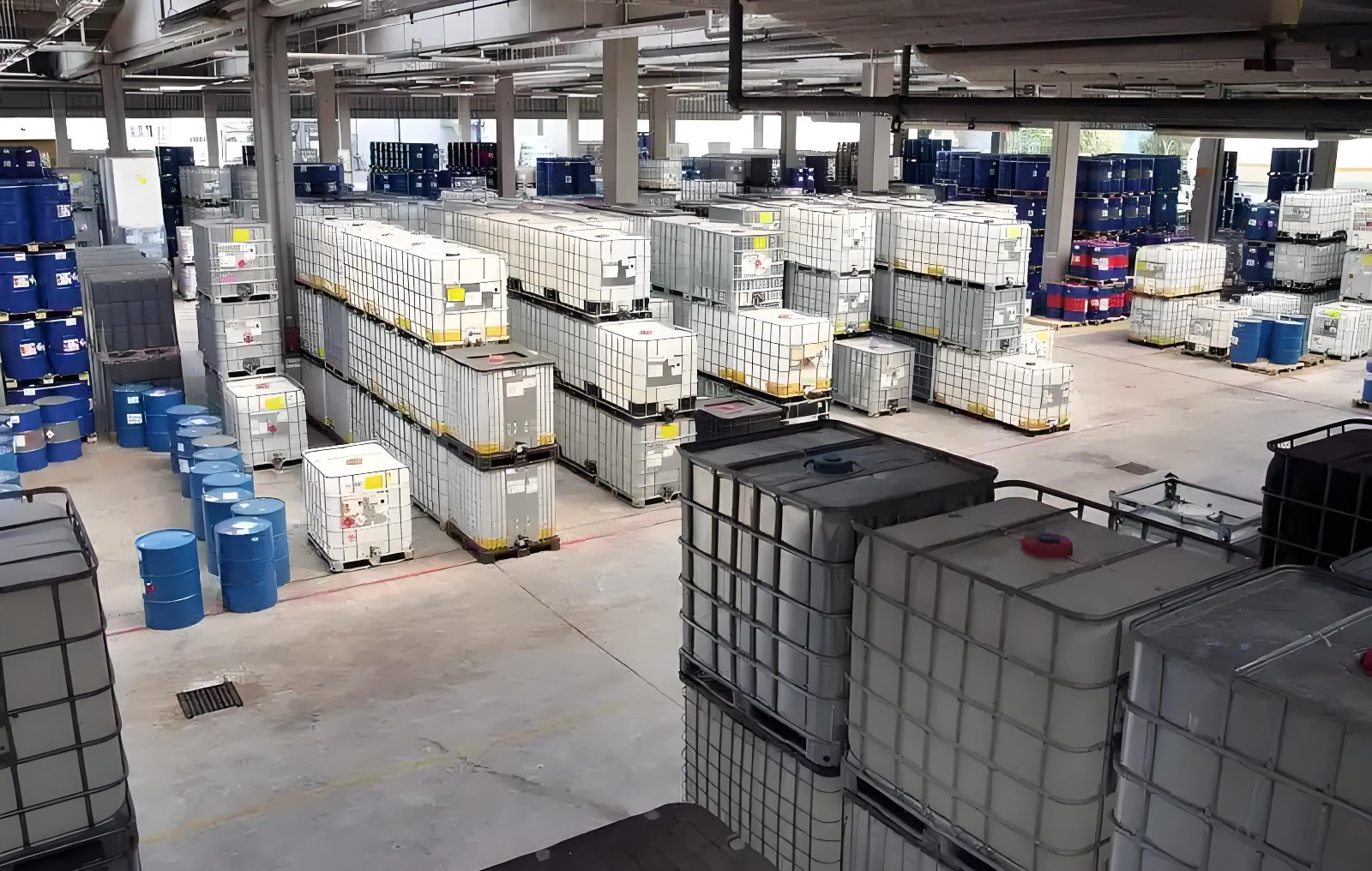
Chemical Warehousing: Leak detection in CO₂ tank farms and high-pressure cylinder storage areas (suitable for high-pressure working conditions).
4. Emergency Rescue and Security
Accident Emergency: Tracking the diffusion range after CO₂ tank leaks and pipeline ruptures (guiding the protection of rescue personnel).
Confined Space Pre-treatment: Long-distance detection of whether internal CO₂ concentrations exceed the standard before the maintenance of underground utility tunnels, mines and storage tanks.
Fire Protection Scenarios: Monitoring the concentration dissipation after CO₂ fire extinguisher discharge (avoiding secondary suffocation risks).
5. Scientific Research and Special Fields
Meteorological and Ecological Research: Observation of CO₂ concentrations in the atmospheric boundary layer, and monitoring of carbon release in glacial/permafrost regions (supporting climate research).
Military/Aerospace: Precise monitoring of CO₂ concentrations in confined cabins (such as spacecraft simulation cabins).
Laboratory Safety: CO₂ cylinder leak early warning and ventilation regulation in chemical and biological laboratories.
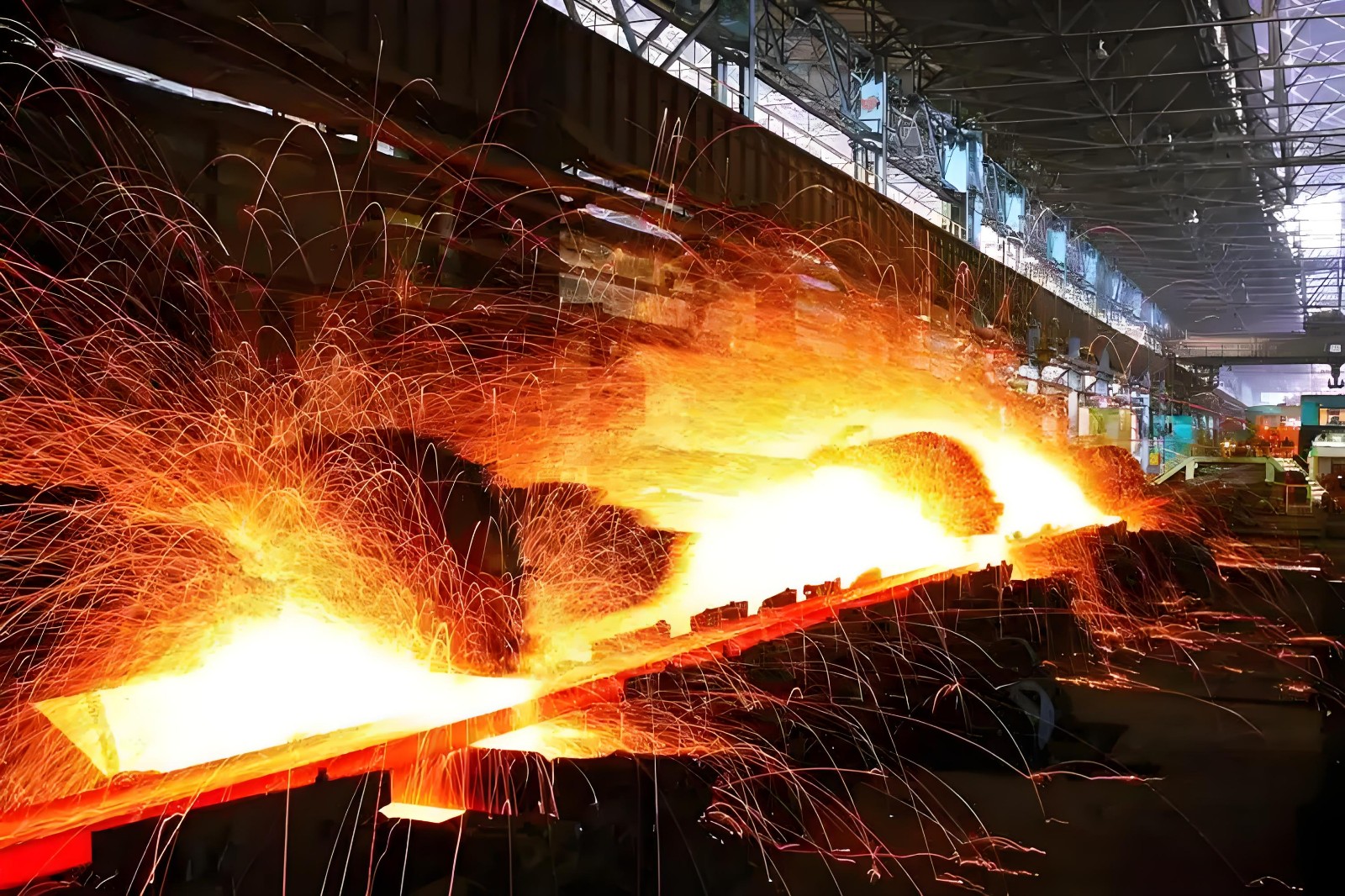
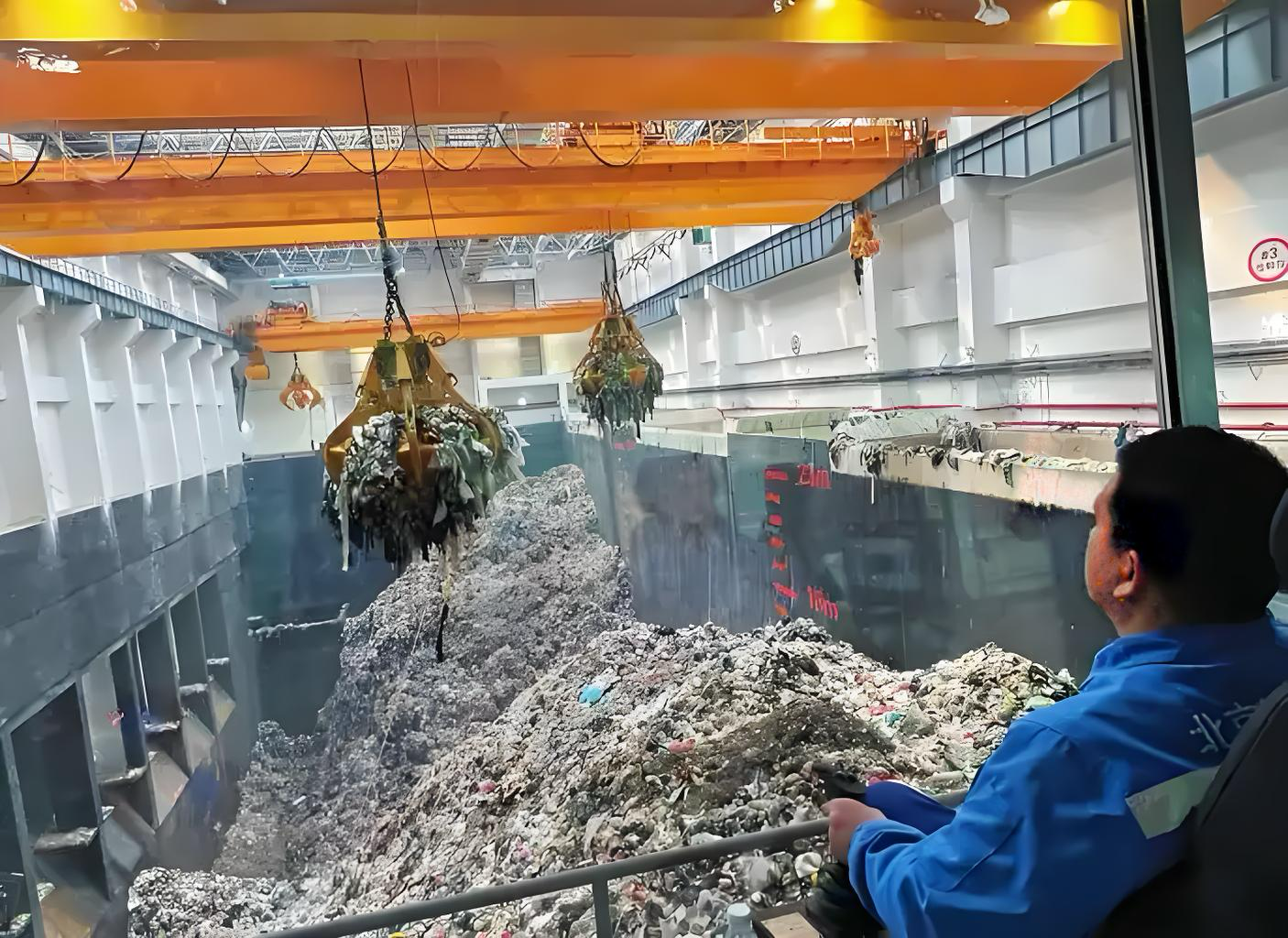
Unlike the passive waiting mode of traditional detection methods, it actively monitors potential gas leak points. With a response time of only 1 second, it can accurately detect ppm-level trace leaks, truly achieving preventive monitoring of gas leaks.
Compared with traditional detectors that are prone to interference from environmental factors, cross gases and other elements, it features strong anti-interference capability. It adopts fingerprint-based detection technology to realize genuine zero false alarms.
It quickly obtains the concentration value of leaked gas through the spectral inversion algorithm, with a sensitivity as high as 1 ppm·m, completely eliminating false alarms and missed detections.
TEL:400-055-1239 (9:00~17:00)
MAIL:lisghanhai@gkhhlaser.com
ADDR:302 Floor, Building 5, No. 18, Kechuang 13th Street, Beijing Economic and Technological Development Zone